
Situational scenarios: managing a student with emotional difficulties in class
When it comes to recognizing signs of emotional difficulties in a student, it is important to pay attention to behaviors and mood changes. We must observe whether the student shows signs of sadness, anxiety, or anger that seem exaggerated in relation to the situation. For example, a student who withdraws socially, avoids interactions with peers, or displays excessive irritability may be experiencing emotional difficulties.Furthermore, changes in academic performance, such as a sudden drop in grades or increasing disorganization, may also indicate that the student is going through a challenging emotional phase. As educators, it is our responsibility to recognize these signs and act accordingly. It is also important to consider the student's family and social context.Traumatic events, such as a divorce, a move, or the loss of a loved one, can have significant impacts on a child's emotional well-being. Therefore, we need to be aware of external factors that may influence the student's behavior. By observing these elements, we can better understand the emotional challenges they are facing and adapt our educational approach to their specific needs.Ultimately, the key lies in our ability to create an environment where the student feels safe and supported, which can significantly contribute to their emotional well-being.
Summary
- Understanding the signs of emotional difficulties in a student
- Observing behavioral, mood, and performance changes
- Being attentive to signs of emotional distress such as anxiety, sadness, or isolation
- Creating a supportive environment for the student in emotional distress
- Fostering a climate of trust and support in the classroom
- Adapting activities and expectations to the student's needs
- Establishing effective communication with the student and their parents
- Encouraging the expression of the student's emotions and needs
- Regularly communicating with parents to share progress and concerns
- Implementing coping strategies for the student in emotional distress
- Providing tools for stress and emotional management
- Adapting teaching and assessment methods to the specific needs of the student
- Collaborating with mental health professionals
- Working closely with psychologists, school counselors, and therapists
- Following the recommendations of mental health professionals to appropriately support the student
In this article
Creating a Supportive Environment for Students with Emotional Difficulties
To promote the emotional well-being of students facing difficulties, it is crucial to create an inviting and inclusive school environment. We must ensure that every student feels valued and respected, regardless of their personal challenges. This can be achieved by establishing clear and consistent rules within the classroom, as well as fostering a culture of kindness and empathy among students.By introducing daily rituals, such as shared moments of exchange or group activities, we can strengthen social bonds and promote a positive climate that facilitates learning. Furthermore, it is important to design the physical space of the classroom to be calming and stimulating. We can integrate quiet zones where students can retreat when they need to refocus or manage their emotions.The use of soft colors, natural elements, and a flexible arrangement of furniture can also help create a peaceful atmosphere. By providing an environment that meets the emotional needs of students, we enable them to concentrate on their learning and develop essential social skills.Establishing Effective Communication with the Student and Their Parents
 Communication plays a fundamental role in supporting students with emotional difficulties. We need to establish an open and honest dialogue with the student so that they feel comfortable expressing their emotions and concerns. By using active listening techniques, we can show the student that we are there to support them and that their feelings are valid.It is also important to encourage the student to share their experiences with their peers, as this can foster a sense of belonging and reduce isolation. At the same time, we must also involve the parents in this communication process. By organizing regular meetings to discuss the student's progress and the strategies implemented, we can create a strong partnership between school and family.This not only allows for continuity in supporting the student but also informs parents about the available resources to help them better understand their child's emotional difficulties. Through collaboration, we can create a support network that promotes the emotional well-being of the student.
Developing Coping Strategies for Students with Emotional Difficulties
To help students with emotional difficulties overcome their challenges, it is important to develop coping strategies tailored to their specific needs. We can start by identifying the emotional triggers that affect the student and work with them to develop stress management techniques. For example, teaching deep breathing exercises or mindfulness techniques can help the student regulate their emotions when they feel overwhelmed.Additionally, we can encourage the use of a personal journal where the student can express their thoughts and feelings, serving as a form of catharsis. It is also important to adapt our educational approach to meet the emotional needs of the student. This may include differentiating academic tasks to make them more accessible and less stressful for them.By offering choices in activities or allowing regular breaks, we can help the student feel more in control of their learning. By integrating these coping strategies into our daily practice, we contribute to creating an environment where every student can thrive despite their emotional difficulties.◆ ◆ ◆
Collaborating with Mental Health Professionals
Collaborating with mental health professionals is crucial for effectively supporting students with emotional difficulties. We must recognize that some students may require specialized help to overcome their challenges. By building partnerships with school psychologists, counselors, or other specialists, we can offer additional support to the students who need it.These professionals can conduct comprehensive assessments and recommend specific interventions that can be implemented in the classroom. Furthermore, it is important that we remain informed about the available resources in our community to refer families to the appropriate services. By sharing this information with parents, we enable them to access additional support that may benefit their child.By collaborating with mental health professionals, we strengthen our ability to address the emotional needs of students and create a school environment where everyone can thrive.Managing the Reactions of Other Students to the Student with Emotional Difficulties
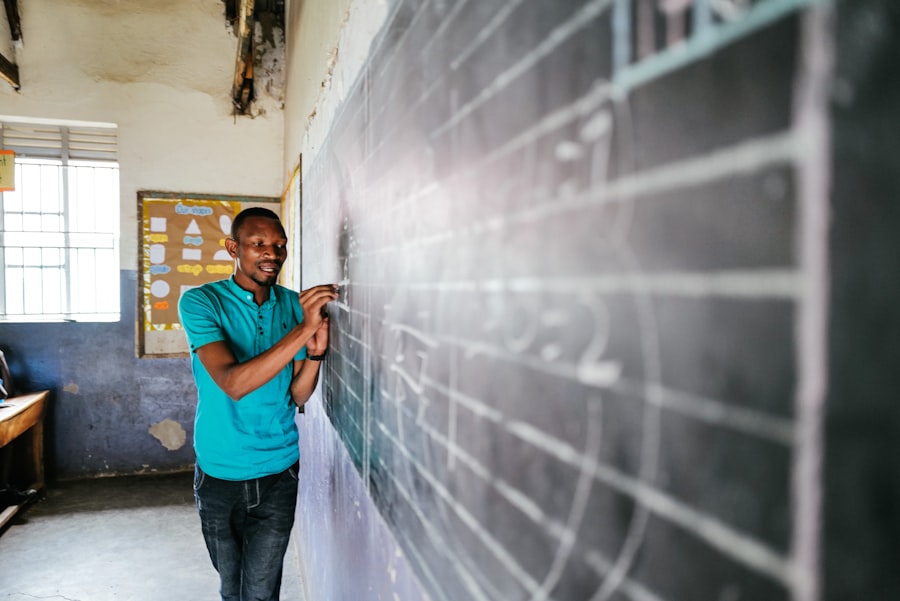 Managing the reactions of other students to a classmate with emotional difficulties is a delicate but crucial task. We must raise our students' awareness of the diversity of human experiences and teach them the importance of compassion and respect for those going through tough times. By integrating discussions about empathy into our curriculum, we can help our students understand that everyone has their own struggles and that mutual support is essential for creating a harmonious school community.It is also important to intervene quickly when we observe negative behaviors or bullying towards a student with emotional difficulties. By establishing a clear anti-bullying policy and encouraging students to report inappropriate behavior, we create an environment where everyone feels safe. By working together to promote a culture of inclusion and respect, we can help all our students develop positive social skills and strengthen their resilience to emotional challenges.
Assessing and Adjusting Interventions Based on the Student's Needs
Continuous assessment of the measures taken to support a student with emotional difficulties is crucial to ensure their effectiveness. We need to regularly gather feedback from the student themselves as well as from their parents to evaluate what is working well and what needs adjustments. By paying attention to the student's progress and the obstacles that arise, we can adapt our strategies to better meet their specific needs.It is also important to involve the student in this assessment process. By asking for their opinion on the measures implemented and allowing them to express their preferences, we promote their autonomy and engagement in their own educational journey. This collaborative approach not only contributes to improving the student's emotional well-being but also strengthens their self-confidence and ability to face future challenges.◆ ◆ ◆
Taking Care of Yourself as a Teacher When Dealing with a Student with Emotional Difficulties
Ultimately, it is crucial that we as teachers take care of ourselves when managing a student with emotional difficulties. The emotional support we provide to students can sometimes be personally exhausting. Therefore, we need to ensure that we set healthy boundaries and take time to rejuvenate.This can include engaging in relaxing activities such as meditation, yoga, or simply spending time with our loved ones. Additionally, it is important that we seek support from our colleagues or professionals when we feel the need to talk about it. Sharing our experiences and challenges with other teachers can help us find creative solutions and strengthen our resilience in difficult situations.By paying attention to our own emotional well-being, we are better equipped to support our students in their educational and emotional journey.Ce contenu vous a aidé ? Soutenez DYNSEO 💙
Nous sommes une petite équipe de 14 personnes basée à Paris. Depuis 13 ans, nous créons gratuitement des contenus pour aider les familles, les orthophonistes, les EHPAD et les professionnels du soin.
Vos retours sont notre seule façon de savoir si ce travail vous est utile. Un avis Google nous aide à toucher d'autres familles, soignants et thérapeutes qui en ont besoin.
Un seul geste, 30 secondes : laissez-nous un avis Google ⭐⭐⭐⭐⭐. Ça ne coûte rien, et ça change tout pour nous.
