
title: Alzheimer’s’s and couples: maintaining intimacy, romantic relationship, sexuality, tenderness, complicity
description: Complete guide for couples facing Alzheimer’s’s: preserving physical intimacy, sexuality, affection, communication, caregiver-patient roles, spouse loneliness, desire guilt, emotional reconnection, daily tenderness, deep bonds despite cognitive decline and maintaining love.
keywords: Alzheimer’s’s couple, intimacy, sexuality, romantic relationship, caregiver spouse, affection, tenderness, communication, loneliness, guilt
[/META]
Alzheimer’s’s, couple, intimacy, sexuality, romantic relationship, spouse, caregiver, affection, tenderness, complicity, communication
[/TAGS]
Reading time: 34 minutes
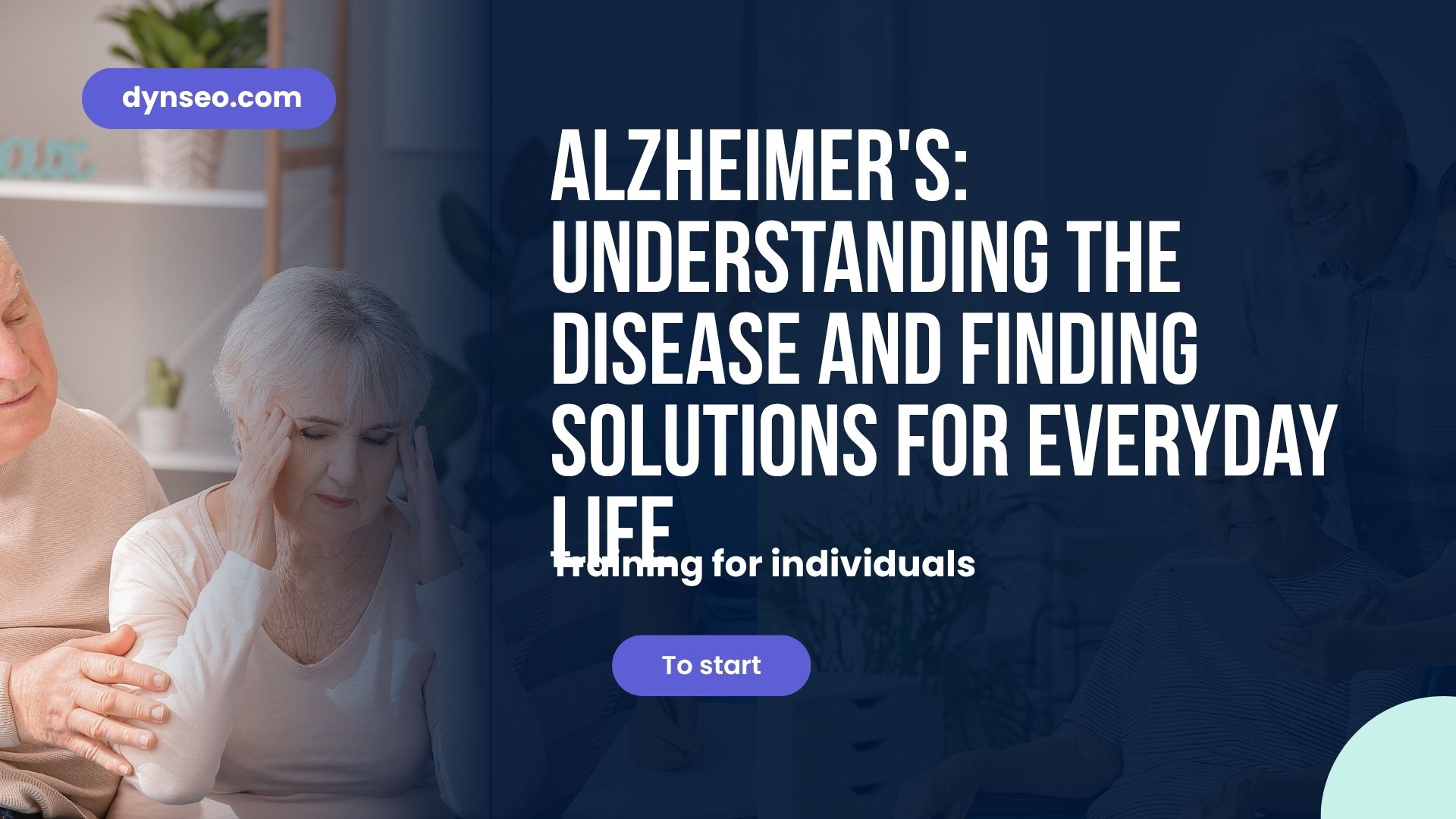
“I still love them, but I don’t recognize them anymore.” “The tenderness has disappeared. I’ve become their nurse.” “I have desires, but I feel guilty.” “She looks at me like a stranger.” “We’re no longer a couple, just caregiver-patient.” “I have a caregiver’s life, but where is my spouse?”
Alzheimer’s’s transforms the couple. The lover becomes a caregiver, complicity fades, intimacy disappears. Tender gestures (caressing, kissing, making love) become complicated: one no longer recognizes the other, exhaustion kills desire, guilt overwhelms. Yet, the need for connection, affection, to still be a couple persists. How to maintain the romantic bond when the disease redefines the relationship? How to preserve intimacy, tenderness, and not forget oneself as a loving, desiring spouse, existing beyond the caregiver role?
This guide explores the challenges couples face with Alzheimer’s’s and offers ways to preserve love, intimacy and complicity.
—
Table of Contents
1. How Alzheimer’s’s Transforms the Couple
2. Loss of Reciprocity: Asymmetric Relationship
3. Physical Intimacy: Between Desire and Guilt
4. Sexuality in Couples Facing Alzheimer’s’s
5. Tenderness and Daily Affection
6. Communication: Speaking Despite Lost Words
7. Preserving Spouse Identity (Not Just Caregiver)
8. Managing Loneliness Together
9. Reconnection: Rituals and Couple Moments
10. When Your Spouse No Longer Recognizes You
—
How Alzheimer’s’s Transforms the Couple {#transformation-couple}
From Equality to Dependence
Before:
Balanced couple: Equal partners (shared decisions).
Complicity: Laughter, projects, intimacy.
Fluid roles: Each gives, receives.
After diagnosis:
Imbalance: One dependent, other caregiver.
Fixed roles: Caregiver-patient (no longer partners).
Loss of spontaneity: Planning, supervision (no more lightness).
Personality Changes
Sick spouse:
Modified character: Irritability, apathy, aggression.
“This is no longer them”: Loved one disappears (gradually).
Disorientation: May no longer recognize spouse (heartbreaking).
Impact on caregiver spouse:
Ambiguous loss: Loss of person (alive but mentally absent).
Confusion: “Who do I love? The person they were or who they are now?”
Guilt and Sacrifice
Caregiver spouse:
Sacrifices: Career, hobbies, friends (to provide care).
Guilt: If thinking of self, desiring normal life, feeling annoyed.
Exhaustion: Physical, emotional (burnout).
Tension: Love remains, but fatigue overwhelms.
Social Isolation
Couple isolates itself:
Outings complicated: Sick spouse (unpredictable behaviors).
Friends disappear: Discomfort, don’t know how to act anymore.
Reduced social life: Caregiver spouse alone (even when surrounded).
Result: Loneliness together (cruel paradox).
—
Loss of Reciprocity: Asymmetric Relationship {#perte-reciprocite}
No More Balanced Dialogue
Before:
Conversations: Exchanges, debates, confidences.
Mutual listening: Each supports the other.
Now:
Monologues: Caregiver spouse talks, patient listens (or not).
Repetitions: Same questions, loops (exhausting).
Silence: Sometimes, nothing more to say (emptiness).
Missing:
Intellectual partner: No more deep discussions.
Confidant: No more real emotional sharing.
No More Emotional Support
Before:
Mutual comfort: “Bad day? Talk to me.”
Presence: Being there for each other.
Now:
One-way: Caregiver gives, patient receives.
No comfort in return: Sick spouse can no longer console.
Caregiver loneliness: “Who supports me?”
No More Shared Projects
Before:
Shared future: Travel, retirement, projects together.
Dreams: Building life (together).
Now:
Uncertain future: Disease progression (unpredictable).
Canceled projects: Dreams collapse.
Anticipatory grief: End of shared life approaches (painful awareness).
—
Physical Intimacy: Between Desire and Guilt {#intimite-physique}
Persistent Desire
Caregiver spouse:
Normal needs: Desire, affection, physical contact (persist).
Human: Not abnormal to want closeness, sexuality.
Guilt:
“How can you think about that?” (self-judgment).
“They’re sick, I’m selfish.”
Shame: Repressed desires (poorly experienced).
Physical Obstacles
Fatigue:
Exhausted caregiver: No energy for desire (survival mode).
Interrupted nights: Libido = Zero.
Hygiene:
Intimate care: Bathing spouse (kills eroticism).
Sick body: Changed perception (no longer object of desire, object of care).
Body changes:
Incontinence, weight loss, posture: Alter image.
Difficult: Seeing spouse sexually (after caring for them).
Tenderness Possible
Distinguish:
Sexuality: Can be complicated (or impossible).
Tenderness: Always possible (hugs, caresses, kisses).
Importance:
Skin contact: Comforting (for both).
Affection: Reminds of romantic bond (beyond care).
How:
Hand in hand (watching TV).
Stroking hair (quiet moment).
Kissing forehead (simple tenderness).
Hug (few minutes, silence).
Benefits:
Releases oxytocin: Attachment hormone (soothes).
Connection: Reminds of couple (not just caregiver-patient).
—
Sexuality in Couples Facing Alzheimer’s’s {#sexualite}
Evolution of Sexual Life
Gradual decline:
Early disease: Sexuality possible (with adaptations).
Moderate stage: Complications (confusion, reduced initiative).
Advanced stage: Often impossible (total dependence).
Causes:
Cognitive: Forgets how to do it, loses desire.
Physical: Fatigue, motor disorders.
Medications: Side effects (decreased libido).
Caregiver: Exhaustion, changed perception (no more desire).
Complex Situations
Sick spouse initiates (but no longer understands):
Inappropriate gestures: Touches caregivers, others (confusion).
Caregiver spouse: Discomfort (jealousy? Pity?).
Response: Redirect gently (don’t scold).
Hypersexuality (rare):
Symptom: Disinhibition (constant, inappropriate sexual demands).
Exhausting: Caregiver spouse overwhelmed.
Solution: Doctor (calming treatment).
Sick spouse’s refusal:
No longer recognizes partner: Fear, refuses contact.
Painful: Rejection experienced as betrayal.
Accept: Disease speaking, not person.
Consent
Crucial question:
Can sick spouse consent?
Early disease: Yes (still lucid).
Advanced disease: No (confusion, inability to decide).
Ethics:
Never force: If refusal, doubt, stop.
Respect dignity: Even sick, rights preserved.
Guilt: If maintaining intimate relations (advanced stages), consult ethicist, psychologist (clarify).
Sexuality Alternatives
If sexuality impossible:
Masturbation: Legitimate (need to relieve).
Not infidelity: Taking care of sexual health.
External relationship?:
Moral dilemma: Some caregiver spouses (consider).
Intense guilt: Loyalty vs needs.
No judgment: Personal decision (complex).
Support: Talk to therapist (explore feelings).
—
Tenderness and Daily Affection {#tendresse}
Small Gestures
Hand placed:
On shoulder (passing by).
Hand held (walking together).
Effect: Secures, soothes.
Kisses:
Forehead (morning).
Cheek (before leaving).
Lips (if comfortable).
Maintenance: Romantic habits.
Hugs:
Few seconds (several times/day).
Embrace: Reminds of protection, love.
Caresses:
Hair, face, back.
Gentleness: Universal language (beyond words).
Tenderness Rituals
Morning:
Coffee together (comfortable silence).
Wake-up kiss.
Evening:
Sitting side by side (TV, music).
Hand/foot massage (relaxing).
Bedtime:
Good night (even separate beds if necessary).
Hand on hand (falling asleep).
Importance:
Rituals = Anchoring: In disease chaos, landmarks.
Connection: Reminds of couple (love endures).
Non-verbal Language
Looks:
Eyes in eyes: True presence.
Smile: Face softness (even if words missing).
Tone of voice:
Warmth: Not just words, how said.
Calm: Reassures.
Proximity:
Being close: Physical presence (comforting).
Light touch: Arm, hand (anchors reality).
—
Communication: Speaking Despite Lost Words {#communication}
Adapting Conversation
Simple sentences:
Short: “Come, let’s eat.”
Clear: No metaphors, abstractions.
Repeat: If needed (patience).
Closed questions:
Not: “What do you want to do?”
But: “Do you want a walk?” (yes/no).
Facilitates: Answers (reduces frustration).
Truly Listening
Even confused speech:
Welcome: Don’t systematically correct.
Look for meaning: Emotions behind words (even incoherent).
Validate: “I understand” (even if not everything).
Effect:
Spouse feels heard: Dignity preserved.
Bond: Maintains despite language decline.
Talking About Yourself
Tell about day:
Even if doesn’t respond: Talking (maintains bond).
Your voice: Reassuring (familiar).
Emotions:
Say: “I still love you.”
Express: “I miss you” (person you were).
Releases: Don’t keep everything inside (mental health).
Comfortable Silence
Don’t always talk:
Being together: Sometimes enough.
Complicit silence: Like before (quiet moments, presence).
Rest: For both (no conversation pressure).
—
Preserving Spouse Identity (Not Just Caregiver) {#identite-conjoint}
Caregiver Role Trap
Absorption:
Life = Care: Morning to evening (caregiver mode).
Forgets self: Spouse, lover, person (erased).
Identity loss: “Who am I beyond caregiver?”
Danger:
Burnout: Total exhaustion.
Resentment: Toward sick spouse (guilt afterward).
Depression: Life has no meaning (only care).
Remembering the Couple
Photos:
Look at albums: You before disease (travel, laughter, youth).
Reminds: You were loving couple (still are).
Stories:
Tell: Meeting, significant moments.
To spouse: Even if forgets, hears (may smile).
To yourself: Reminds real love (still exists).
Objects:
Wedding rings: Look at (symbol).
Old letters: Reread (words of love).
Gifts: Touch (memories).
Couple Time (Not Care)
Dedicated moments:
Not care: Not bathing, medications (just being).
Pleasurable activities:
Music: Listen together (loved songs).
Walk: Hand in hand (nature).
Movie: Watch (cuddled up).
Dance: Even few steps (tenderness).
Intention:
Being spouse: Not nurse (precious time).
Maintaining Personal Life
Crucial:
Don’t forget yourself: You exist (beyond caregiver).
Activities:
Hobbies: Sports, reading, art (maintain).
Friends: See (even 1 hour).
Respite: Day care, supervision (breathe).
Preserved identity: Return to spouse (with energy, not empty).
—
Managing Loneliness Together {#solitude}
Paradox
Physical presence:
Spouse there: Same room, same house.
Mental absence:
Not really present anymore: Loved person (gone).
Result: Deep loneliness (worse than being actually alone).
Filling the Void
Talk:
To others: Friends, family, support groups.
Therapist: Psychologist (verbalize loneliness).
Journal: Write (releases).
Connections:
Join associations: Alzheimer’s’s Association (other caregivers understand).
Support groups: Online, in-person.
Don’t carry alone: Share emotional burden.
Accepting Reality
Grief:
Former couple: Ended (accept).
New couple: Different (not less loving, but transformed).
Redefine:
Love remains: Changed form (loyalty, tenderness, care).
Not failure: Adaptation (strength, not weakness).
—
Reconnection: Rituals and Couple Moments {#reconnexion}
Creating Rituals
Regularity:
Every day: Small dedicated moment (couple).
Examples:
Morning coffee: 10 minutes (silence, presence).
Afternoon walk: 20 minutes (hand in hand).
Evening music: Listen (slow waltzes, youth songs).
Effect: Anchors (landmarks in chaos).
Adapted Outings
Continue living:
Restaurants: Quiet, off-peak hours.
Cinema, theater: If possible (adapt).
Parks: Nature (soothing).
Family visits: Maintain bonds.
Normalcy: Reduced social life, but exists (couple not confined).
Sensory Moments
Touch: Massages, caresses.
Smell: Loved perfumes, aromatic cooking.
Taste: Favorite dishes, sweets.
Sight: Photos, landscapes, colors.
Hearing: Music, voice.
Stimulation: Senses (reconnects emotions, memories).
Pleasurable Activities
Adapted:
Gardening: Together (simple).
Cooking: Prepare (even basic gestures).
Games: Cards, dominoes, puzzles.
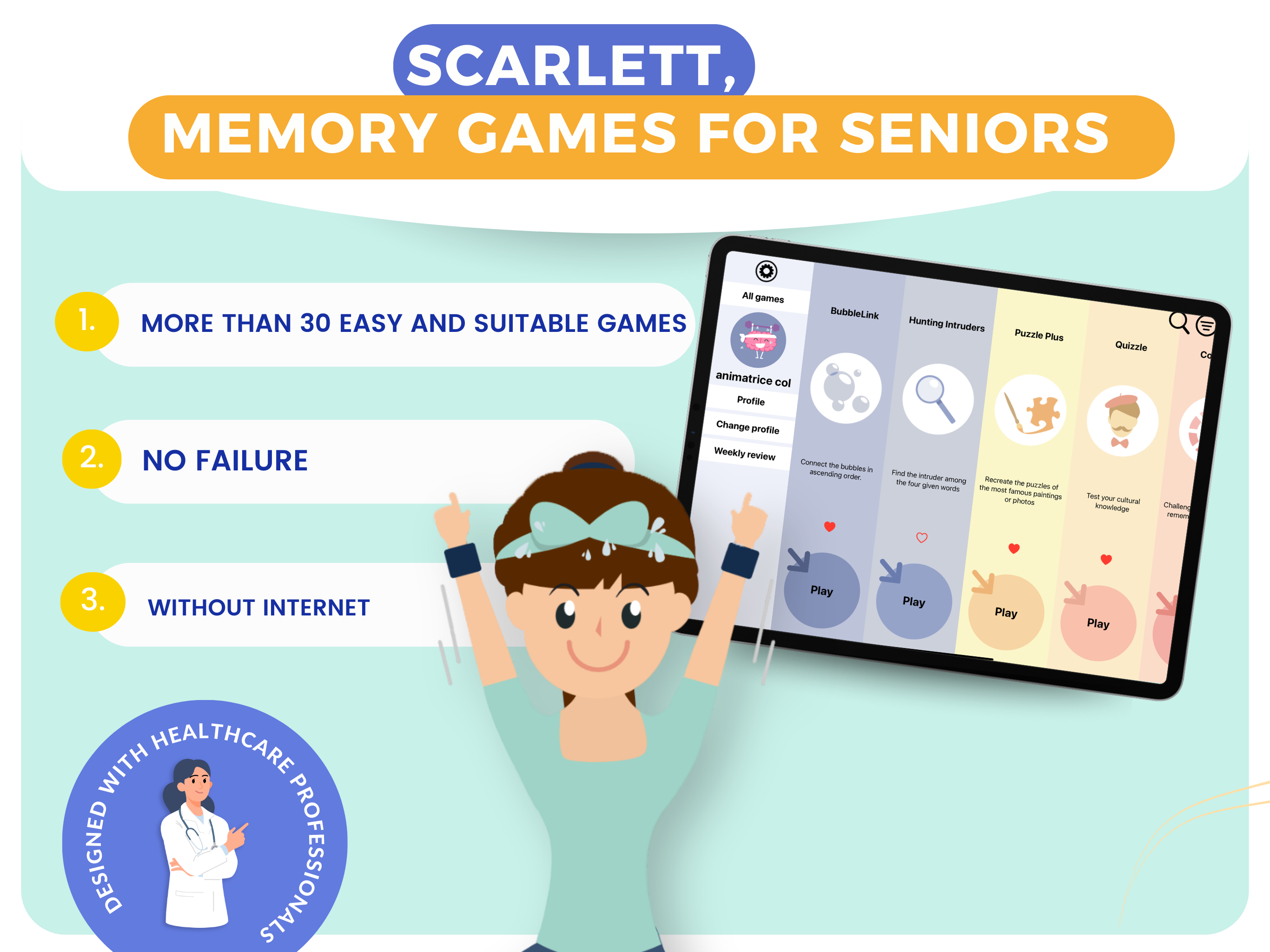
SCARLETT: Memory games (cognitive stimulation, shared moment).
Shared pleasure: Laughter, smiles (reminds of complicity).
—
When Your Spouse No Longer Recognizes You {#non-reconnaissance}
Heartbreaking Moment
“Who are you?”:
Shock: Spouse no longer recognizes (heartbreaking).
Phases: Intermittent at first, then constant (advanced stages).
Pain: Feeling of rejection, invisibility (being unknown to loved person).
Possible Reactions
Fear:
Frightened spouse: “Who is this stranger?” (anguish).
Aggression: Pushes away, yells.
Confusion: Takes you for someone else (parent, stranger).
Impact:
Deep wound: “They forgot me.”
Amplified grief: Person gone (truly).
How to React?
Don’t force:
Don’t insist: “It’s me, your husband/wife!” (increases anxiety).
Accept moment: Confusion may pass.
Reassure:
Gentle tone: “I’m here, everything’s okay.”
Calm presence: No panic (transmits).
Don’t correct:
If takes you for someone else: Play along (during confusion).
Example: Thinks you’re their mother? “Yes, I’m here.”
Preserves: Calm (avoids distress).
Look for other connections:
Touch: Hand, even if doesn’t recognize (soothes).
Voice: Tone familiarity (may reassure).
Music, objects: Stimulate emotional memory.
After the Moment
Cry:
Legitimate: Immense pain (welcome it).
Talk: Friends, therapist (don’t keep it in).
Remember:
Disease speaking: Not person (doesn’t forget you voluntarily).
Love remains: Somewhere (even if invisible).
—
Testimonials
Marie, 68, John’s wife
“John hasn’t recognized me for 6 months. First time, I cried for days. Now, I understand: It’s Alzheimer’s’s, not him. I come every day, hold his hand, speak gently. Sometimes, a smile. Maybe he doesn’t recognize me, but feels loving presence. That’s our couple now. Different, but still love.”
Luc, 72, Martine’s husband
“Physical intimacy disappeared 3 years ago. Hard. Guilt about desires. Therapist helped me accept: Normal to desire, normal to mourn loss. Now hugs, forehead kisses. Tenderness is enough. And when needed, I take time for myself (no shame). Martine would have wanted that: For me to live, not just survive.”
Sophie, 65, Pierre’s wife
“We dance every evening for 10 minutes. Pierre forgets everything, but not the waltz. I put on old records, we turn in the living room. That moment: He comes back. Eyes shine, smiles. We’re a new couple, not like before, but together. This ritual saved my heart.”
—
Conclusion: Love Beyond Words and Memory
Alzheimer’s’s steals memories, words, recognition. But love remains. It takes new forms: held hand, gentle look, faithful presence. Maintaining couple facing Alzheimer’s’s = Daily battle. Against loneliness, exhaustion, anticipatory grief. Yet, each tender gesture, each preserved ritual, each shared moment reminds: You are still two. The relationship transformed, intimacy redefined, but bond remains. Love crosses disease, transcends memory. And when day comes when nothing remains, you will know: You loved until the end.
Keys to maintaining intimacy and couple:
1. ✅ Daily tenderness (simple gestures)
2. ✅ Couple rituals (anchors)
3. ✅ Preserve identity (not just caregiver)
4. ✅ Accept relationship transformation (not failure)
5. ✅ Talk about loneliness (don’t carry alone)
6. ✅ Shared pleasurable activities (complicity)
7. ✅ Respect limits (consent, dignity)
You are not alone. Our Alzheimer’s’s training accompanies couples. SCARLETT: Shared moments (stimulation, complicity). Free guide: All resources.
—
DYNSEO resources to accompany you:
- Alzheimer’s’s Training: Maintaining couple and intimacy
- SCARLETT: Cognitive activities to share
- Free guide to accompany people with Alzheimer’s’s
—
That evening, like every evening, you put on music. Slow waltz. You extend your hand. He hesitates, confused. Then his fingers find yours. You dance, slowly, living room lit by soft light. He no longer knows your name, forgets your face. But body remembers. Embrace speaks. And in this moment, disease fades. There remains just you two, dancing, loving, together. Like always. Forever.