
Estimated reading time: 17 minutes
Home care professions are among those most exposed to professional burnout. Faced daily with suffering, dependency, and sometimes death, home care workers and caregivers carry a considerable emotional burden. Added to this are physical constraints, sometimes difficult working conditions, and the frequent feeling of not being properly recognized. Result: a particularly high rate of burnout and turnover in the sector.
However, professional burnout is not inevitable. By understanding its mechanisms, recognizing its early signs, and implementing individual and collective prevention strategies, it is possible to preserve one’s health while continuing to practice this meaningful profession. This comprehensive guide offers you concrete keys to taking care of yourself in order to continue taking care of others.
Understanding Professional Burnout
What is burnout?
Burnout, or professional exhaustion syndrome, is a state of intense physical and psychological fatigue resulting from prolonged exposure to work-related stress. It is characterized by three dimensions:
Emotional exhaustion: feeling drained, having no more resources, inability to recover despite rest.
Depersonalization (or cynicism): detachment from the people being cared for, negative attitudes, loss of empathy, sometimes dehumanizing behaviors.
Diminished personal accomplishment: feeling of ineffectiveness, of not being up to the task, loss of work meaning.
Risk factors specific to home care
Emotional burden:
- Daily confrontation with suffering, illness, death
- Attachment to the people being cared for
- Feeling of helplessness in certain situations
- Exposure to behavioral disorders, aggression
Working conditions:
- Atypical, fragmented schedules
- Numerous trips
- Isolated work, without physically present team
- Sometimes insufficient intervention time
- Often modest remuneration
Physical burden:
- Handling of people
- Constraining postures
- Fatigue related to travel
Lack of recognition:
- Often invisible work
- Little valued social status
- Feeling of not being heard
Relational difficulties:
- Conflicts with families
- Contradictory demands
- Complex ethical situations
Warning signs to recognize
Physical signs:
- Permanent fatigue, not relieved by rest
- Sleep disorders (insomnia, nighttime awakenings)
- Headaches, muscle tension, back pain
- Digestive problems
- Repeated infections (weakened immune system)
Emotional signs:
- Irritability, unusual impatience
- Anxiety, panic attacks
- Sadness, desire to cry
- Feeling of emptiness, discouragement
- Loss of pleasure in work
Behavioral signs:
- Delays, repeated absences
- Decline in work quality
- Disengagement, “doing the minimum”
- Isolation from colleagues
- Increased consumption of tobacco, alcohol, medication
Cognitive signs:
- Concentration difficulties
- Frequent forgetfulness
- Difficulty making decisions
- Ruminations, negative thoughts
Stages of burnout
Professional burnout does not occur suddenly. It develops gradually:
Phase 1: Enthusiasm
High motivation, significant investment, sometimes excessive. You give a lot without counting.
Phase 2: Overcommitment
You compensate for difficulties with more effort. You have trouble saying no. The first signs of fatigue appear.
Phase 3: Resistance
Fatigue sets in. You hold on through willpower. The first signs of detachment appear.
Phase 4: Collapse
The body can no longer compensate. Massive exhaustion, impossibility to continue.
Recognizing early signs allows action before collapse.
Individual Prevention Strategies
Taking care of your body
Sleep:
- Respect your sleep needs (7-9h for most adults)
- Maintain regular schedules as much as possible
- Create an environment conducive to sleep
- Avoid screens before bedtime
Nutrition:
- Eat balanced meals, even when time is short
- Don’t skip meals
- Limit stimulants (coffee, alcohol)
- Hydrate sufficiently
Physical activity:
- Move regularly (walking, cycling, swimming, yoga…)
- Physical activity is an excellent stress reliever
- Even 30 minutes a day make a difference
Breaks:
- Allow yourself real breaks during the day
- Take your vacation time, don’t accumulate it indefinitely
- Really disconnect on days off
Managing daily stress
Breathing:
Deep abdominal breathing is a simple and effective tool for calming stress:
- Inhale slowly through the nose while inflating the belly (4 seconds)
- Hold (4 seconds)
- Exhale slowly through the mouth (6-8 seconds)
- Repeat 5 to 10 times
Relaxation:
- Progressive muscle relaxation
- Mindfulness meditation
- Guided relaxation apps
Release:
- Sports, brisk walking
- Singing, dancing
- Writing (journal)
Pleasure:
- Maintain leisure activities
- See friends, cultivate your social life
- Allow yourself small pleasures
Setting boundaries
Learning to say no:
- You can’t do everything, accept everything
- A “no” to an excessive demand is a “yes” to your own health
- Say no assertively, without aggression or guilt
Separating professional and personal life:
- Don’t bring work worries home (as much as possible)
- Have activities and relationships unrelated to work
- Turn off the work phone outside working hours
Recognizing your limits:
- You are not a superhero
- You can’t save everyone
- Some situations exceed our competencies: that’s normal
Cultivating meaning
Remembering why you do this job:
- The values that drive us
- Times when you made a real difference
- Thanks received, smiles
Valuing your work:
- Recognize what you do well
- Celebrate small victories
- Keep a journal of positive moments
Collective Support: Not Staying Alone
Peer support
Informal exchange:
- Talk with colleagues who experience the same situations
- Share difficulties, but also successes
- Feel understood, less alone
Support groups:
- Time dedicated to exchange between professionals
- Facilitated by a psychologist or trained professional
- Safe space where speech is free
- Allow depositing what weighs heavy, putting things in perspective, learning from others
Mentoring:
- Experienced professionals can support newcomers
- Transmission of know-how and interpersonal skills
- Creation of bonds within the team
Professional supervision
What is supervision?
Supervision is regular support by an external professional (psychologist, trained supervisor) that allows you to:
- Analyze difficult situations
- Take a step back on your practice
- Identify your own emotional reactions
- Develop your relational skills
- Prevent burnout
How does it work?
- Regular meetings (individual or group)
- Presentation of experienced situations
- Analysis with the help of the supervisor
- Search for improvement paths
Benefits:
- Feeling supported and heard
- Better understanding of your reactions
- Development of coping strategies
- Prevention of burnout
The employer’s role
The employer has a responsibility in preventing professional burnout:
Work organization:
- Schedules respecting rest times
- Reasonable travel times
- Sufficient intervention times
- Equity in the distribution of difficult situations
Training and support:
- Continuing education
- Practice analysis
- Supervision offered
Listening and support:
- Availability of managers
- Taking into account warning signals
- Possibility of readjustment in case of difficulty
Recognition:
- Valuing work accomplished
- Positive feedback
- Career development prospects
When Burnout is Present: What to Do?
Recognize and accept
The first step is to recognize that you are in difficulty. This is not an admission of weakness, it is an act of lucidity and courage.
Talk about it
To your personal entourage:
- Family, trusted friends
- Don’t carry this burden alone
To your employer:
- Service manager, management
- Occupational health physician
- Without waiting to hit rock bottom
To a health professional:
- General practitioner
- Psychologist, psychiatrist if necessary
- Professional burnout can be treated
Take action
Short term:
- Medical leave if necessary (it’s not a defeat)
- Rest, sleep, disconnection
- Psychological support
Medium term:
- Analysis of what led to burnout
- Identification of necessary changes
- Preparation for return to work in good conditions
Long term:
- Implementation of sustainable prevention strategies
- Possibly reorientation if the profession is no longer sustainable
- Reconstruction of life balance
Training: A Prevention Lever
Developing your skills
Continuing education is a protective factor against burnout:
- It strengthens the feeling of competence
- It provides tools to deal with difficult situations
- It opens career development prospects
- It allows meeting peers

The training “Stimulate and create connections with DYNSEO games” allows you to develop relational skills and concrete tools for care. Feeling competent and equipped is a protective factor against burnout.
Practical resources

DYNSEO’s Home Care Worker Toolbox offers practical resources that can facilitate daily life and reduce stress related to the feeling of not knowing what to do.
Cognitive stimulation as a shared moment of pleasure
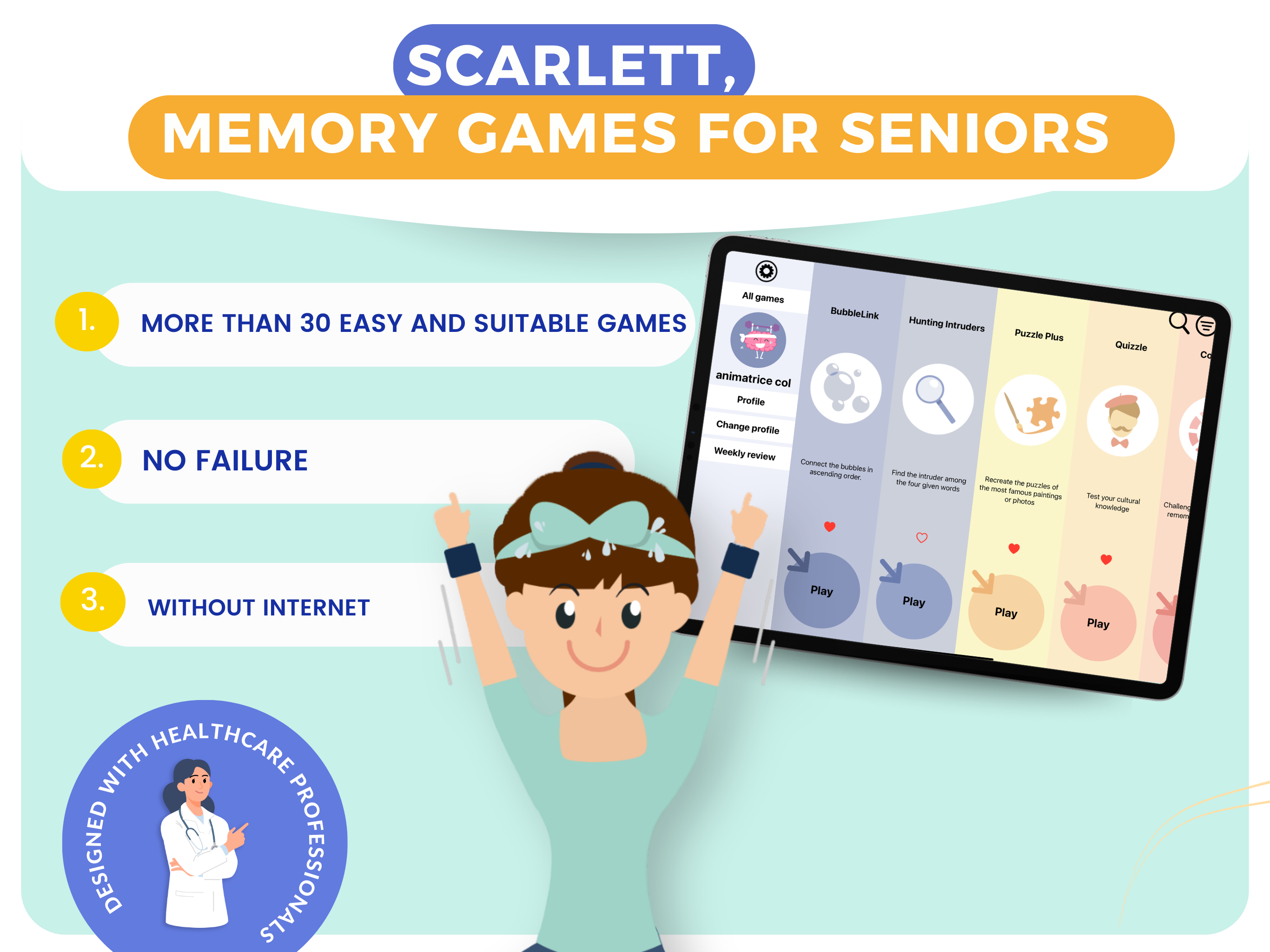
DYNSEO’s SCARLETT program can also be a resource for the professional. Shared game moments with the person being cared for are moments of pleasure, connection, lightness. They counterbalance the heavier aspects of care and remind us of the positive meaning of the profession.
Conclusion: Taking Care of Yourself to Take Care of Others
Professional burnout is not inevitable, but it is a real risk in home care professions. Recognizing it is the first step to preventing it.
The keys to prevention are:
- Individual: taking care of your body, managing your stress, setting boundaries, cultivating meaning
- Collective: not staying alone, exchanging with peers, benefiting from supervision
- Organizational: respectful working conditions, training, recognition
Taking care of yourself is not selfish. It is the condition for being able to continue taking care of others. An exhausted professional cannot provide proper care; a professional who is doing well can give their best.
The home care profession is demanding but it is also deeply human and meaningful. By implementing the conditions for its sustainability, you can practice this profession for a long time, with pleasure and pride.
DYNSEO supports professionals not only in their care practices, but also in their own well-being. Because fulfilled professionals mean better cared for individuals.
—
Additional DYNSEO resources:
—
Article written by DYNSEO, specialist in digital solutions for healthy aging and support for cognitive disorders.


