
title: How to Foster Friendship Between Children with Down Syndrome and Neurotypical Children
description: Practical guide to promote and cultivate friendship between children with Down syndrome and neurotypical children: awareness, inclusive activities, managing differences, and advice for parents and teachers.
keywords: friendship Down syndrome, neurotypical Down syndrome children, social inclusion Down syndrome, disability awareness school, inclusive friendship, fostering social ties Down syndrome
[/META]
Down syndrome, friendship, inclusion, neurotypical children, socialization, awareness, inclusive school
[/TAGS]
Reading time: 18 minutes
"My son always plays alone at recess." "Other children never invite him to birthdays." "How can I help him make friends?" "Can 'normal' children really be friends with a child with Down syndrome?" "How can I raise awareness among classmates without stigmatizing my child?"
Friendship is a fundamental human need. For children with Down syndrome, having friends - both with Down syndrome AND neurotypical - is essential for social development, self-esteem, and happiness. Yet, creating and maintaining friendships can be challenging: differences in language, interests, and barriers due to prejudice.
School inclusion is not always enough to create genuine friendships. Sometimes it requires support, facilitation, and awareness. But it is possible! Beautiful friendships can blossom and last between children with Down syndrome and neurotypical children, enriching both parties.
This guide provides you with concrete keys to foster these precious bonds.
Table of Contents
1. Why friendship with neurotypical children is important
2. The obstacles to friendship
3. Raising awareness among neurotypical children
Why friendship with neurotypical children is important {#why-important}
For the child with Down syndrome
Developmental models:
Neurotypical children serve as models for language, social behaviors, and play.
Stimulation:
Playing with neurotypical peers stimulates language, social skills, and motor skills.
Social inclusion:
Feeling "like others," being part of the group.
Self-esteem:
"I have friends. I am loved, accepted."
Preparation for social life:
Society is predominantly neurotypical. Learning to interact with everyone is essential.
For the neurotypical child
Empathy and tolerance:
Being around differences develops empathy and open-mindedness.
Human richness:
Learning that everyone has strengths and weaknesses, that differences enrich.
Citizenship:
Growing up in an inclusive, caring society.
Authentic friendship:
Discovering qualities (loyalty, joy of living, affection) in the friend with Down syndrome.
For society
Inclusive society:
The more children grow up together, the more inclusion will be natural in adulthood.
Reduction of prejudice:
Knowledge combats ignorance and fear.

The obstacles to friendship {#obstacles}
Differences in language
The child with Down syndrome may have limited language, difficult pronunciation.
Result: Difficulty communicating, mutual misunderstanding.
Differences in interests
Developmental gap: The child with Down syndrome may prefer games for younger children.
Example: At age 10, neurotypicals enjoy complex video games, while the child with Down syndrome prefers Duplo.
Consequence: Fewer common interests.
Different pace
The child with Down syndrome is slower in activities and games.
Impatience from neurotypical peers.
Prejudice and ignorance
Some children (or their parents) have prejudices: "He is weird," "He doesn't understand anything."
Mockery, exclusion.
Overprotection from the environment
Parents of the child with Down syndrome: Fear of rejection, fear of mockery.
Result: Limits opportunities for interaction.
Lack of opportunities
If the child with Down syndrome is always with adults, they do not have the chance to meet peers.
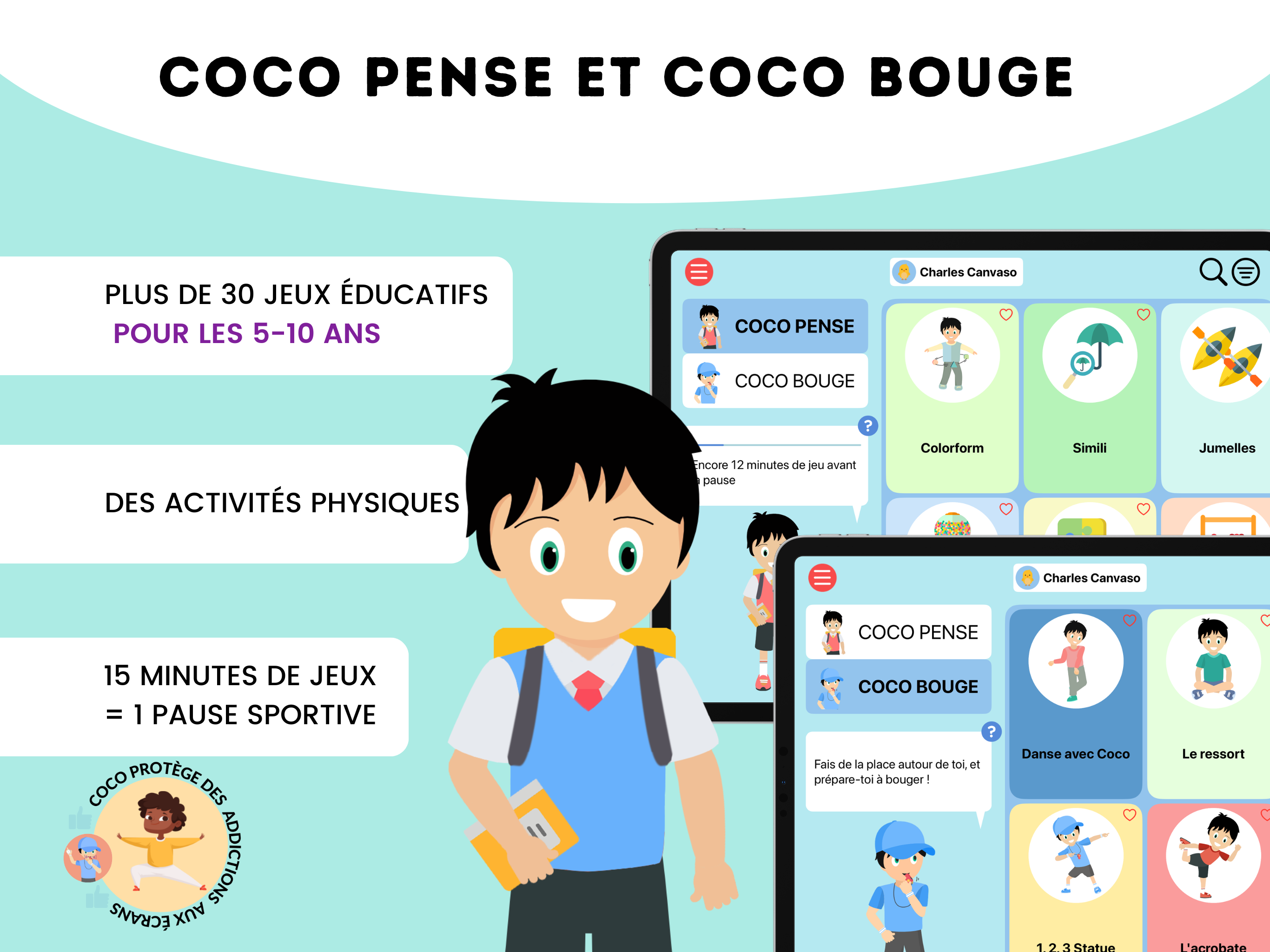
Raising awareness among neurotypical children {#raising-awareness}
Explain Down syndrome
Adapt to age:
Young children (3-6 years):
"[First Name] was born with something called Down syndrome. It means he learns more slowly. But he loves to play, laugh, just like you!"
Children (7-12 years):
"Down syndrome is when you have an extra chromosome. It makes the brain work a little differently. [First Name] needs more time to understand, but he is capable of learning many things."
Teenagers:
More detailed explanation (genetics, characteristics).
Focus on similarities
"[First Name] loves [activity], just like you!"
"He loves animals, Pokémon, dancing..."
Show common points rather than differences.
Encourage empathy
"Imagine if you had trouble speaking. How would you like others to treat you?"
Role-playing: putting oneself in the other's shoes.
Books and videos
Children's books about difference, Down syndrome:
- "Down Syndrome: A Little Survival Manual" (Bérengère Bouin)
- "I am Different, So What?" (Sylvie Beaudoin)
- What Down syndrome is
- How to interact well with [First Name]
- That everyone is different, with their strengths and difficulties
YouTube videos suitable for children.
Classroom intervention (with parental consent)
Invite the teacher, a professional (association) to talk about difference.
Explain:
Q&A session: children ask their questions (often simple, sincere).
Result: Demystification, benevolent curiosity rather than mockery.
Value inclusive behaviors
Publicly praise children who include the child with Down syndrome:
"Well done [First Name2], you were very kind to invite [First Name1] to play!"
Create models of inclusion.
Creating opportunities for interaction {#creating-opportunities}
At school
Place the child with Down syndrome near a caring peer (peer tutor).
Inclusive group activities:
Inclusive recess:
Cooperation council / Talking circles: time for children to talk about relationships, difficulties, and learn to live together.
Inclusive extracurricular activities
Inclusive adapted sports
clubs that mix disabled and able-bodied children.
Inclusive scouts
some scout groups welcome all children.
Leisure centers
if inclusion is well supported.
Creative workshops (arts, music, theater).
The more the child participates in varied activities, the more they meet peers.
Invitations to the home
Invite classmates to the home:
Birthday party, afternoon play.
Simple activities: adapted board games, cakes, drawing, movies.
Discreet presence of parents: facilitate without invading.
Small group outings
Organize outings: park, cinema, bowling, swimming pool.
Invite 1-2 classmates + the child with Down syndrome.
Fun activities where everyone can participate.
Use social media (for teens)
Class WhatsApp groups, social media.
Include the teen with Down syndrome in conversations (with parental supervision if necessary).
Supporting interactions {#supporting}
Facilitate communication
If the child with Down syndrome has trouble being understood:
Rephrase for others: "I think he means..."
Encourage patience: "Wait, he will answer you."
Use visual supports if necessary (pictograms, tablet with AAC).
Adapt games
Choose accessible games for everyone:
Simple ball games, hide and seek, building games, drawing, modeling clay.
Adapt the rules if needed (simplify).
Cooperative games (no competition): everyone wins or loses together.
Manage conflicts
Conflicts = normal, even among neurotypical friends.
If a child is mean:
Intervene calmly
"It's not nice to say that. [First Name] has feelings, just like you."
Encourage empathy
"How would you feel if someone said that to you?"
If behavior is repeated
talk to the parents, the teacher.
Value positive interactions
Take photos of moments of play together.
Tell: "Today, [First Name] played with [Friend] at the park, they had a great time!"
Reinforce positive behaviors from both sides.
Respect the pace
Do not force a friendship.
Some affinities develop naturally, others do not.
Propose, facilitate, but let the bonds form.
Maintaining friendships over time {#maintaining}
Keep in touch
Friendship = need for regular contact.
Organize meetings (at least once a month).
Phone calls (if the child with Down syndrome can communicate by phone).
Messages (with parental help if necessary).
Celebrate birthdays
Invite friends to the birthdays of the child with Down syndrome.
Participate in friends' birthdays.
Create shared memories.
Joint projects
Do activities together: DIY workshop, gardening, cooking.
Create a photo album together, a video.
Projects = strengthening the bond.
Involve parents
Communicate with the parents of neurotypical friends:
Share: "Our children get along well, could we organize outings together?"
Reassure if needed: "Feel free to ask me if you have questions about Down syndrome."
Create a network of caring parents.
Transitions (change of class, school)
Anticipate: before a change, organize meetings to maintain the bond.
Keep in touch with old friends (visits, calls).
Create new bonds in the new context.
Accept evolution
Friendships evolve, especially in adolescence.
Some friendships will last, others will fade (this is normal).
Continue to propose new opportunities.
Conclusion: Friendship, a treasure to cultivate
Friendship between children with Down syndrome and neurotypical children is not only possible but valuable for both parties. It brings stimulation, models, inclusion, empathy, and joy.
The keys to fostering these friendships:
1. Raise awareness: explain Down syndrome to neurotypical children
2. Create opportunities: school, extracurricular activities, invitations
3. Support: facilitate communication, adapt games
4. Value: praise inclusive behaviors
5. Maintain: regular contact, shared activities
6. Patience: let the bonds form naturally
Every child with Down syndrome deserves to have friends. Every neurotypical child deserves to grow up in an inclusive society. Together, let's create these bridges, cultivate these friendships. They will change lives.
DYNSEO resources to develop social skills:
Friendship knows no chromosome. It is born from the heart, from kindness, from sharing. Help it blossom.