
title: Down Syndrome and Surprising Abilities: These Often Overlooked Talents
description: Discover the amazing abilities and often ignored talents of people with Down syndrome: exceptional visual memory, empathy, artistic creativity, musical sense, and other strengths to be valued and nurtured.
keywords: Down syndrome talents, surprising Down syndrome abilities, strengths of people with Down syndrome, visual memory Down syndrome, empathy Down syndrome, creativity Down syndrome, potential Down syndrome
[/META]
Down syndrome, talents, abilities, strengths, visual memory, empathy, creativity, potential
[/TAGS]
Reading time: 17 minutes
"My daughter recognizes all the brand logos on the street." "My son remembers all the faces of the people he has met." "She has an innate sense of music; she dances to all the rhythms." "He immediately understands when someone is sad." "Why do we never talk about the strengths of people with Down syndrome?"
Too often, we focus on difficulties, delays, limitations. Yet, people with Down syndrome possess surprising abilities, unknown talents that, if recognized, valued, and nurtured, become real strengths in their lives.
Exceptional visual memory, deep empathy, developed artistic sense, remarkable imitation ability, contagious joy of living: these assets exist, are real, and deserve to be celebrated.
This guide invites you to discover and cultivate the often overlooked talents of people with Down syndrome, for a more just, comprehensive, and brighter vision of Down syndrome.
Table of Contents
1. Changing Perspective: From Difficulties to Strengths
Changing Perspective: From Difficulties to Strengths {#changer-regard}
The Deficit Paradigm
Historically, Down syndrome has been viewed through the lens of lack:
- "They have an intellectual delay"
- "They cannot..."
- "They will always need help"
This focus on difficulties is reductive and devaluing.
The Abilities Paradigm
New perspective: Every person has strengths AND weaknesses.
People with Down syndrome are no exception.
Yes, they have difficulties (slower learning, certain cognitive limitations).
But they also have remarkable abilities, sometimes above average.
Why It Matters
For self-esteem:
"I am not just a disability. I have talents."
For inclusion:
Valuing what the person brings (not just "tolerating" their presence).
For development:
Cultivating strengths = progress, flourishing.
For those around them:
Changing perspective = richer, more authentic relationships.

Exceptional Visual Memory {#memoire-visuelle}
Observation
Many people with Down syndrome have astonishing visual memory:
Explanation
Compensation: Visual memory compensates for verbal memory difficulties.
The Down syndrome brain prioritizes visual processing.
Concrete Examples
"My 8-year-old son recognizes all the cars in our street; he knows who they belong to."
"She remembers all the paths we've taken, even once. If I make a mistake, she corrects me!"
"He sees a logo once, and he recognizes it everywhere after."
How to Use This Strength
Learning:
Independence:
Leisure:
Empathy and Emotional Intelligence {#empathie}
Observation
People with Down syndrome are often described as:
Explanation
Developed emotional intelligence: ability to perceive, understand, manage emotions.
Can be superior to that of many neurotypicals (who intellectualize but do not feel).
Concrete Examples
"When I cry, my son comes to hug me. He is 5 years old, but he understands."
"She senses when someone is unwell, even if the person pretends to be fine."
"In the group home, he is the one who comforts others when they are sad."
Positive Impact
Social Relationships:
Create authentic, deep connections.
Possible Careers:
Personal assistance, animation, support (if abilities allow).
Family Well-being:
Bring affection, gentleness to the family.
How to Cultivate
Value empathy:
"You are very kind to have comforted your sister."
Teach emotional management:
Recognize, name, express appropriately.
Activities:
Artistic Talents {#talents-artistiques}
Music
Many people with Down syndrome love music and have:
Famous Examples:
How to Cultivate:
Visual Arts
Creativity, expression through drawing, painting, sculpture.
Some artists with Down syndrome exhibit their works.
Characteristics:
How to Cultivate:
Theater and Body Expression
Developed imitation ability.
Expression through body, gestures, facial expressions.
Inclusive theater troupes: remarkable actors with Down syndrome.
How to Cultivate:
Humor and Joy of Living
Many people with Down syndrome have a developed sense of humor:
This joy of living is a talent: it lights up those around them.
Testimonials:
"My son makes the whole family laugh. He imitates people; it's hilarious."
"She always finds a way to laugh, even in difficult moments. It's a strength."
Other Surprising Abilities
Perseverance
In the face of difficulties, people with Down syndrome must put in more effort to learn, succeed.
Result: Development of remarkable resilience, tenacity.
Examples:
This perseverance is a talent, a strength of character.
Loyalty and Authenticity
People with Down syndrome are often described as:
This authenticity is refreshing in a world often hypocritical.
Observation Ability
Notice details that others do not see:
Useful for: Observation jobs, quality control (if abilities allow).
Imitation
Excellent imitation ability:
Useful for: Learning (modeling), theater, humor.
How to Cultivate These Talents {#cultiver-talents}
1. Identify Strengths
Carefully observe your loved one:
Note these observations.
2. Explicitly Value
Tell your loved one:
"You have an amazing memory for faces!"
"You dance really well!"
"You are very good at comforting people."
Boosts self-esteem.
3. Offer Opportunities
If musical talent: Enroll in a music class.
If artistic talent: Materials, workshops.
If developed empathy: Volunteer activities (with support), animal mediation.
4. Exhibit, Share Achievements
Hang drawings in the house.
Film performances (dance, theater), show to family.
Participate in exhibitions, shows (associations, schools).
Publicly celebrate talents.
5. Do Not Limit A Priori
Do not say "He/she will never be able to..." before trying.
Let them experiment, test, fail, try again.
Limits are not always where we imagine them.
6. Balance
Cultivating talents ≠ ignoring difficulties.
Support both:
Inspirational Testimonials
Pablo Pineda (Spain):
University graduate, actor, speaker.
"I want to show that you can succeed with Down syndrome."
Mélanie Ségard (France):
Weather presenter, symbol of professional inclusion.
Chris Burke (United States):
Actor (series "Life Goes On"), advocate for rights.
Artists, musicians, athletes with Down syndrome around the world prove that talents exist, are real, and deserve to be celebrated.
Conclusion: Talents to Celebrate
People with Down syndrome are not defined by their difficulties. They have surprising abilities, unknown talents that, when recognized and cultivated, become real strengths. Visual memory, empathy, artistic creativity, perseverance, authenticity: these assets exist. It is up to us to see them, value them, and develop them.
The keys to revealing talents:
1. Change perspective: focus on strengths, not just weaknesses
2. Carefully observe: identify specific talents
3. Explicitly value: tell the person they are talented
4. Offer opportunities: classes, workshops, activities
5. Celebrate achievements: exhibit, share, applaud
Every person with Down syndrome is unique, with their own bouquet of talents. Help your loved one discover and shine. The world needs these talents. Your loved one has the right to shine.
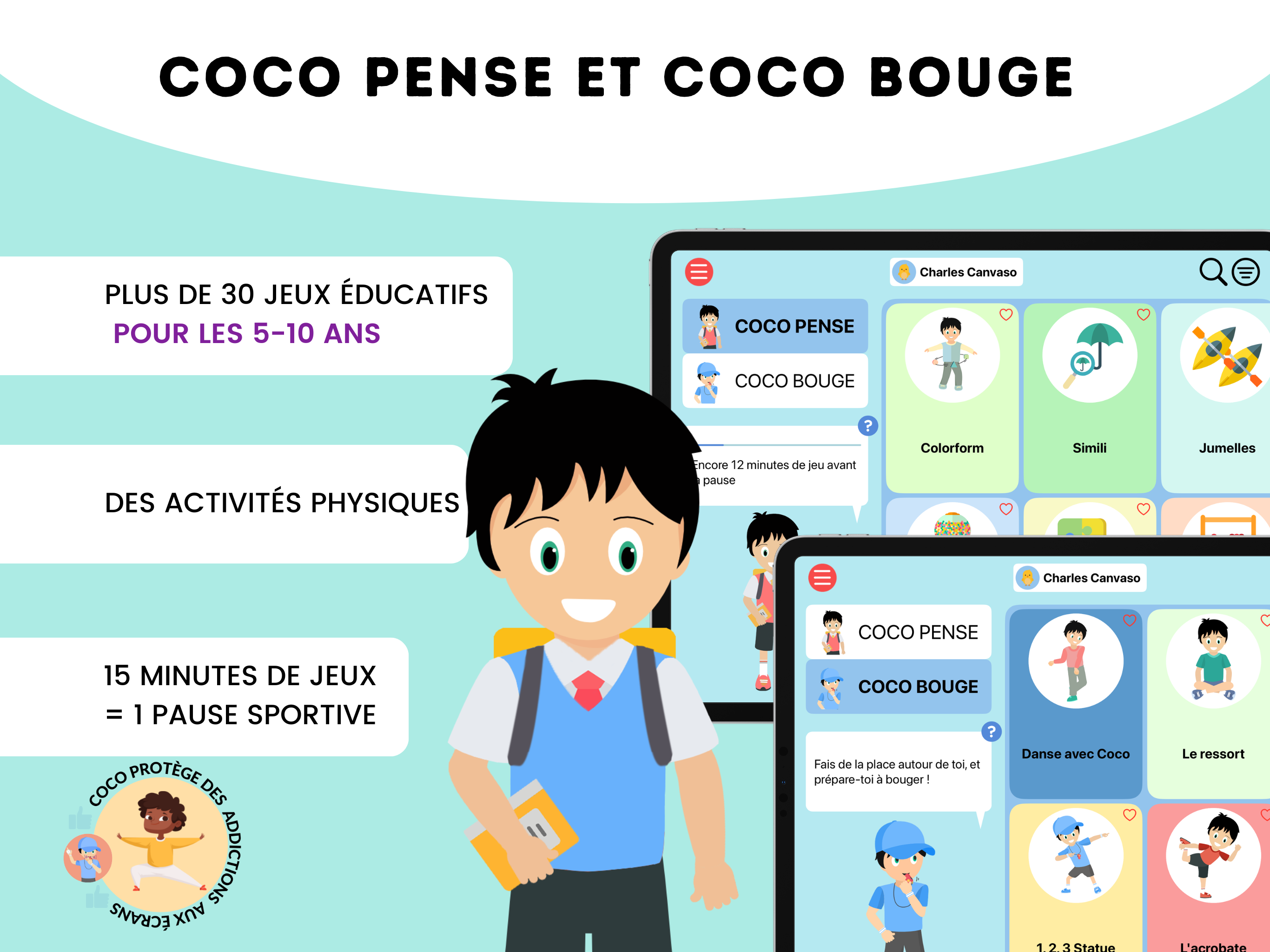
DYNSEO Resources to Develop Talents:
People with Down syndrome are not just an extra chromosome. They are talents to reveal, strengths to celebrate, lights to shine.