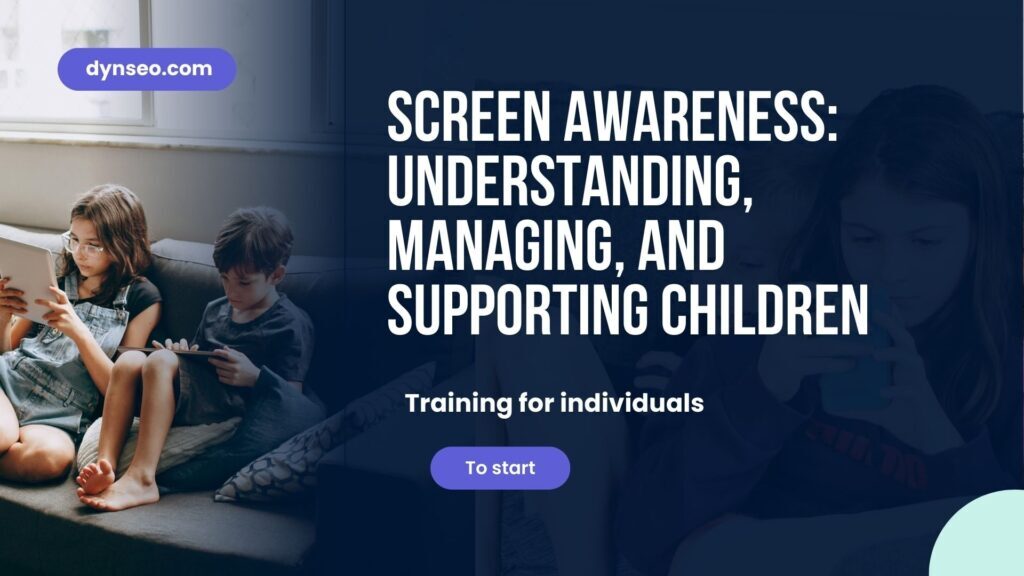
This is my story: Sophie tells us about her children's addiction to screens
of parents worry about their children's screen time
average daily screen time for 8-12 year olds
recommended break frequency with COCO
of improvement observed with active breaks
Dans cet article
1. Sophie's Journey: When Screens Become Ubiquitous
Sophie's story begins like that of many modern parents. As a mother of three closely spaced children in a small space, she naturally sought solutions to manage family life. Screens then appeared as an obvious answer to moments of fatigue, urgent household tasks, and the legitimate need for a few moments of respite.
This situation is not isolated: according to recent studies, 78% of parents admit to using screens as a "digital babysitter" during moments of stress or overload. Sophie explains: "I had 3 children very close together, and we lack space at home. It's true that screens also seemed like a practical solution to finally have some peace."
What started as a temporary solution gradually settled into the family routine. Smartphones, tablets, and other devices became constant companions, offering unlimited access to captivating content that is not necessarily suitable. Technological evolution and the proliferation of streaming platforms have facilitated this gradual dependence.
💡 DYNSEO Expert Advice
It is important to understand that the initial reliance on screens does not make you a "bad parent." It is a human reaction to the challenges of modern parenting. The key is to recognize when the balance is disrupted and to act accordingly.
Key points of this phase:
- Easy solution to daily constraints
- Lack of space and need for calm in the family
- Gradual installation of a screen routine
- Absence of clear rules on digital use
- Unawareness of long-term risks
2. The impact of confinement: an accelerator of dependence
The COVID-19 pandemic and successive lockdowns have profoundly disrupted Sophie’s family balance, as for millions of households around the world. This exceptional period created a context where screens became not only a source of entertainment but a vital link to the outside world.
Sophie testifies to this transformation: "The lockdown period due to COVID-19 certainly added a layer of complexity to our already delicate situation with screens. With schools closed, in-person activities canceled, and social distancing, screens became a resource for connecting with the outside world."
This period saw a surge in children's screen time worldwide. The boundaries between education, socialization, and entertainment blurred, making it more difficult to establish clear limits. Parents, often working from home, had to juggle their professional obligations and supervising their children in a confined space.
During crisis periods, create "screen-free zones" in your home and maintain family rituals that do not depend on technology: meals together, board games, shared reading.
Social isolation also weighed on children's psychological balance. Screens became their main means of maintaining connections with their peers, creating a cycle where denying digital access meant cutting children off from their social life. Sophie observes: "I noticed that the boundary between necessary and excessive screen time had become blurred."
The "COVID" effect on digital habits
Post-lockdown studies reveal an average increase of 76% in screen time among children. This rise is accompanied by changes in circadian rhythms, a decrease in physical activity, and a deterioration of direct family interactions.
The app COCO THINKS and COCO MOVES precisely integrates this reality by offering breaks suited to the lockdown context, allowing for balance even in a restricted space.
3. The Trigger: When the School Sounds the Alarm
The real turning point in Sophie’s story occurred during an apparently routine parent-teacher meeting. What was supposed to be a classic interview turned into a brutal awareness of the consequences of screen overexposure on her son Jordan's development, who was in second grade at the time.
"His teacher mentioned to me that his concentration was not at its best and that he sometimes seemed to be in his own world," Sophie recounts. This observation, expressed with kindness but concern, triggered a series of questions for this mother who had previously been convinced she was doing well.
The intervention of the school psychologist was crucial. She introduced the concept of "Screen Overexposure Syndrome," a term that had a shocking effect on Sophie. This syndrome, increasingly documented by health professionals, encompasses a range of physical and psychological symptoms related to excessive use of digital technologies.
The manifestations of this syndrome are multiple and can affect various aspects of a child's development. Cognitively, difficulties in concentration, attention disorders, a decrease in working memory, and information processing problems are observed. Socially, children may exhibit relational difficulties, a marked preference for virtual interactions at the expense of face-to-face exchanges.
🎯 Warning signs to watch for
- Prolonged concentration difficulties in class
- Irritability when limiting screen time
- Sleep disturbances or refusal to go to bed
- Decreased interest in non-digital activities
- Social isolation or family conflicts around screens
- Physical symptoms: headaches, eye strain
4. Parental guilt: a necessary step towards the solution
The announcement of a potential screen addiction diagnosis plunged Sophie into a complex emotional spiral, mixing guilt, questioning, and feelings of parental failure. This phase, although painful, often proves necessary in the process of changing family habits.
"I was seized by panic, to be honest. I was terrified of not having found a better balance for my children," confides Sophie. This intense emotional reaction reflects the experience of many parents facing the reality of their children's digital dependency.
Parental guilt in this context has several dimensions. First, the feeling of having "failed" in raising their children, having prioritized convenience over their well-being. Then, the retrospective fear of long-term consequences: "Have I compromised their development? Will their future abilities be affected?"
This phase of self-blame, while normal and understandable, can become counterproductive if it drags on. Sophie was fortunate to benefit from the support of the school psychologist, who played a crucial role in de-dramatizing the situation and guiding her towards constructive solutions.
The transformation of guilt into positive action is the pivotal step in the change process. "I realized that I needed to tackle the problem head-on, that guilt would not solve the issue. Therefore, I needed to find quick solutions to make things better at home, and also at school."
Transforming guilt into action
At DYNSEO, we support many parents during this transition phase. Guilt, while natural, should not paralyze action. Our approach with COCO THINKS and COCO MOVES allows parents to gradually regain control, without drama or abrupt breaks.
5. The discovery of COCO THINKS and COCO MOVES: a decisive turning point
It is in this context of urgent search for solutions that Sophie discovers the existence of the COCO THINKS and COCO MOVES program. This recommendation from the school psychologist will mark a decisive turning point in managing screens within the family.
"This is how I learned about the COCO THINKS and COCO MOVES app. The school psychologist showed me that there were tools to help us restore a healthy balance and promote positive habits," explains Sophie. This discovery represents much more than just an app: it is the hope of regaining family balance.
COCO THINKS and COCO MOVES stand out from traditional parental control solutions due to their positive and educational approach. Rather than prohibiting or restricting abruptly, these apps offer a gentle transition to healthier habits through an integrated automatic break system.
The fundamental principles of COCO:
- Automatic breaks every 15 minutes of use
- Fun physical and cognitive activities
- Endearing character that accompanies the child
- Non-punitive educational approach
- Positive reinforcement of good habits
- Activities suitable for different ages
The revolutionary concept of these apps lies in their ability to transform passive screen use into opportunities for learning and movement. Every 15 minutes, COCO interrupts digital activity to suggest physical exercises, brain games, or relaxation moments.
For a successful transition, present COCO as a "digital buddy" rather than a control system. Explain to the children that COCO helps them become stronger and smarter through breaks.
6. Family adaptation: initial challenges and resistance
The introduction of COCO THINKS and COCO MOVES into the family routine was not without bumps. Like any change to well-established habits, this transition required patience, perseverance, and strategy from Sophie.
"At first, there were protests, of course. They were used to having unlimited access to the screen, they had their favorite videos, their episodes...", acknowledges Sophie. This initial resistance is perfectly normal and predictable among children accustomed to free and prolonged screen use.
The first weeks often represent the most delicate period of the change process. Children may express their frustration through various reactions: anger, negotiations, attempts to bypass the system, or even temporary behavioral regression. This phase tests the parents' determination and their ability to stay the course despite difficulties.
🌟 Strategies to overcome resistance
The key to success lies in consistency and the positive presentation of change. Avoid presenting COCO as a "punishment" but rather as a "buddy" who helps to grow. Participate in the proposed activities to show your enthusiasm and create a moment of family bonding.
The genius of COCO lies in its ability to gradually transform this resistance into adherence. The endearing character and the fun activities offered gradually create a new form of positive anticipation. Children begin to look forward to the appearance of their virtual coach with pleasure.
Sophie reflects on this evolution: "But Coco really captivated them. They started to eagerly await the moments when the sports coach COCO would appear, and that opened the door to conversations about the importance of taking breaks and moving."
Signs of successful adaptation:
- Decrease in protests during breaks
- Spontaneous participation in COCO activities
- Questions about the character's return
- Reproduction of exercises outside of breaks
- Improvement in overall mood
- Better acceptance of limits
This gradual transformation is accompanied by a deeper change in the child's relationship with the screen. Passive use gives way to more conscious consumption, punctuated by moments of reflection and physical activity. The child gradually develops their self-regulation ability.
7. Tangible benefits: transformation of family daily life
Beyond simply managing screen time, the introduction of COCO THINKS and COCO MOVES into Sophie’s family has generated profound and lasting transformations in family daily life. These changes far exceed the digital framework to positively influence all family interactions.
"It has been a real revelation. The moments spent together doing activities proposed by Coco have become moments of complicity and laughter," explains Sophie. This relational dimension constitutes one of the most valuable benefits of the program: the authentic reconnection between parents and children.
The transformation is observed on several levels. First, the improvement in the overall family atmosphere. Moments of tension related to negotiations around screen time decrease significantly. COCO breaks create positive disruptions that relax the atmosphere and encourage spontaneous exchanges.
This anecdote reveals an important aspect of the transformation: the acceptance of "creative disorder." Active breaks can indeed disrupt domestic order, but they generate positive energy and rich interactions that largely compensate for these small inconveniences.
improvement in attention in class after 3 months of COCO use
of children spontaneously develop other activities
of parents notice an improvement in family mood
overall satisfaction with the COCO program
The impact on the diversification of activities is another major benefit. Gradually, children rediscover the pleasure of non-digital activities they had abandoned. This reclaiming of playful variety enriches their development and broadens their interests.
8. The school impact: validation by the educational team
One of the most telling indicators of the success of the COCO program in Sophie's family lies in the positive feedback from the educational team. This external validation is particularly significant as it was the school that initially raised the alarm, confirming the effectiveness of the adopted approach.
"It helped me feel less guilty and more confident about their future, things went better at school, Jordan's teacher confirmed to me that things were going much better, that she felt he was more motivated and engaged in class," reports Sophie with evident pride. This behavioral transformation in the school environment demonstrates that the benefits of COCO breaks extend beyond the home setting.
The improvement in attentional capacities in class is one of the first observable signs of change. Teachers generally notice better concentration, more active participation in group activities, and a decrease in restlessness or disengagement behaviors.
The cognitive benefits of active breaks
Recent neuroscientific studies show that regular active breaks significantly improve executive functions in children: sustained attention, working memory, cognitive flexibility, and inhibitory control. The program COCO THINKS and COCO MOVES is based on these findings to optimize learning.
School motivation, another aspect highlighted by Jordan's teacher, reflects a profound change in the child's attitude towards learning. Regular breaks help maintain an optimal level of alertness, avoiding cognitive saturation that can lead to school disengagement.
🎓 School-family collaboration
Do not hesitate to inform the educational team of your approach with COCO. This transparency allows for coordinated monitoring and an objective assessment of your child's progress. Most teachers appreciate this proactive approach from parents.
This school validation also produces a beneficial psychological effect on parents. It confirms the relevance of their efforts and strengthens their confidence in the educational choices made. For Sophie, this recognition marked "a great victory" in her journey as a responsible parent.
9. The mechanisms of action of COCO: understanding effectiveness
To fully grasp the transformative impact of the COCO THINKS and COCO MOVES program in Sophie's family, it is essential to analyze the scientific mechanisms that underlie its effectiveness. This understanding allows parents to optimize the use of the application and maximize its benefits.
The fundamental principle is based on the regular interruption of passive attention in front of the screen. Every 15 minutes, the appearance of COCO creates a benevolent interruption that allows the child's brain to "breathe" cognitively. This frequency is not arbitrary: it corresponds to scientific recommendations for maintaining an optimal attention level.
Neuroscience demonstrates that sustained attention in children significantly declines after 10-15 minutes. COCO breaks therefore occur at the optimal time to restore cognitive abilities and avoid neural saturation.
The activities proposed during these breaks skillfully combine physical and cognitive stimulation. Motor skills exercises activate neuromotor circuits, promoting brain oxygenation and the production of beneficial neurotransmitters like dopamine and norepinephrine. These molecules naturally improve mood and learning capacity.
COCO THINKS also incorporates cognitive challenges suitable for age: memory games, logic exercises, mental math problems, or creative puzzles. This cognitive stimulation activates different neural networks, promoting brain plasticity and the development of new synaptic connections.
The activated neurobiological mechanisms:
- Restoration of attentional circuits through breaks
- Activation of neuromotor systems through exercise
- Stimulation of neuroplasticity through cognitive challenges
- Production of endorphins through physical activity
- Regulation of neurotransmitters (dopamine, serotonin)
- Improvement of cerebral vascularization
The playful aspect and gamification of breaks constitute another key success factor. COCO transforms the constraint of breaks into an opportunity for play and personal challenge. This positive approach avoids psychological resistance and encourages the child's spontaneous engagement.
10. Beyond screens: rebuilding family balance
Sophie's experience with COCO THINKS and COCO MOVES transcends simple screen time management to fit into a broader approach to rebuilding family balance. This systemic transformation illustrates how a targeted approach can generate cascading effects on all family dynamics.
The rediscovery of shared pleasure is one of the most significant changes observed in the family. COCO breaks create micro-moments of complicity that gradually extend to other family activities. Children rediscover the joy of direct interactions and collaborative games.
"The children have started to find pleasure in other activities outside of the screen, like playing outside, drawing, and reading," observes Sophie. This diversification of interests marks a crucial step in breaking free from digital dependence. The child rediscovers the richness of the non-digital world.
This reflection from Sophie highlights a reality shared by many modern parents: the search for balance between professional, domestic, and parental demands. COCO THINKS and COCO MOVES offer an alternative to this digital ease by providing structured breaks that benefit the whole family.
🏠 Create a supportive environment
Take advantage of COCO breaks to gradually reorganize your living space: create areas dedicated to manual activities, set up a reading nook, prepare easily accessible physical activity materials. The physical environment significantly influences activity choices.
Sophie's transformation as a parent is often an underestimated but fundamental aspect of the process. By regaining control of the situation, she regains confidence in her educational abilities and restores her benevolent authority. This personal evolution positively reflects on the entire family dynamic.
11. Ongoing challenges and coping strategies
Despite the undeniable successes of introducing COCO THINKS and COCO MOVES into her family, Sophie remains clear-eyed about the ongoing challenges and the need for continuous adaptation. This honesty reflects a mature and realistic approach to digital parenting.
One of the major challenges lies in the consistency of applying the new rules. Children naturally test boundaries regularly and may exhibit regression phases, particularly during times of stress or change (back to school, holidays, illness).
Managing the age differences between Sophie's three children represents another complex challenge. As attention needs and capacities vary with age, COCO breaks must be adapted, and a balance between everyone's expectations must be maintained. The risk of frustration for the older ones or inadequacy for the younger ones requires constant vigilance.
Create "COCO teams" where the older ones help the younger ones during breaks. This approach fosters sibling cooperation while adapting activities to different developmental levels.
The influence of the external social environment is also a constant challenge. When children see their peers having free access to screens, they may question family rules. This social pressure requires constant dialogue and regular explanation of family values.
Maintaining long-term engagement
The effectiveness of COCO THINKS and COCO MOVES is sustained by the continuous evolution of the program. Activities are renewed, challenges adapt to the child's progress, and new features maintain interest and engagement.
The rapid technological evolution also represents an adaptation challenge. The emergence of new platforms, new games, or new digital trends forces parents to remain vigilant and informed. COCO evolves with these changes to maintain its relevance and effectiveness.
12. The importance of testimony and sharing experiences
Sophie's testimony is part of a logic of parental solidarity and collective awareness of the issues of digital education. Her courage to publicly share her experience helps break taboos and encourages other families in similar situations.
"That's why I testify today, because it's important to talk about it. At school, many students are in this situation, and we often realize it too late when the school raises the alarm," explains Sophie. This awareness of the scale of the phenomenon motivates her commitment to raising awareness.
Sophie's testimony reveals a concerning but largely silent reality: many families experience similar situations without daring to speak about it, out of shame, denial, or lack of information about existing solutions. This involuntary silence delays intervention and worsens situations.
This message of hope and encouragement resonates particularly in the current context where parents often feel helpless in the face of digital challenges. Sophie's example proves that with the right tools and a caring approach, it is possible to positively transform family habits.
🤝 Create a support network
Don't hesitate to exchange with other parents about your steps and difficulties. Support groups, dedicated forums, or parent associations offer valuable spaces for sharing and advice. Digital parenting requires collective learning.
Sophie's humility in facing her journey ("It's never too late to create a better balance") encourages other parents to undertake their own transformation, regardless of the stage they are at. This positive and non-blaming perspective promotes action rather than resignation.
The main warning signs include: difficulties concentrating at school, irritability when limiting screen time, sleep disturbances, loss of interest in non-digital activities, social isolation, and physical symptoms like headaches or eye strain. If several of these signs persist, it is advisable to consult a professional and consider solutions like COCO THINKS and COCO MOVES.
COCO THINKS and COCO MOVES are suitable for children from 5 years old. The activities are adaptable according to the child's age and abilities. For younger children, adult supervision is recommended, while older children can gradually gain independence in managing their breaks.
Initial resistance is normal. To overcome it: present COCO as a friend rather than a constraint, participate in activities with your child, create a reward system for participation, and maintain consistency without giving in to negotiations. Patience is essential as acceptance develops gradually.
Initial behavioral changes can appear as early as the first week of use. Significant improvements in concentration and mood generally manifest after 2-3 weeks of regular use. Long-term benefits on learning and social skills consolidate over several months.
COCO THINKS and COCO MOVES are compatible with most devices: smartphones, tablets, computers. The application automatically adapts to the screen format and offers activities suitable for each device. An internet connection is required for some advanced features.
Discover COCO THINKS and COCO MOVES
Join Sophie and thousands of families who have transformed their relationship with screens thanks to our innovative program. Give your children active breaks that stimulate their development while preserving digital enjoyment.
Did this content help you? Support DYNSEO 💙
We are a small team of 14 people based in Paris. For 13 years, we have been creating free content to help families, speech therapists, care homes and healthcare professionals.
Your feedback is the only way we know if our work is useful. A Google review helps us reach other families, caregivers and therapists who need it.
One action, 30 seconds: leave us a Google review ⭐⭐⭐⭐⭐. It costs nothing, and it changes everything for us.