The Benefits of Music for Memory
Music has a powerful effect on the brain and can improve memory in elderly people. Several studies have shown that listening to music can enhance episodic memory, which is the ability to recall specific events from one’s life. Listening to retro songs can evoke memories of certain moments from the past, stimulating autobiographical memory.

In addition to individual music therapy, organizing concerts in the nursing home is another effective way to stimulate residents' memory. Concerts provide a collective and participatory experience, allowing residents to gather and share moments of joy and entertainment. Invited artists can perform popular songs, timeless classics, or melodies from a specific era. These concerts often evoke memories and emotions in the residents, transporting them back in time and allowing them to relive moments from their lives. Residents can sing, dance, or simply enjoy the music, creating an engaging and welcoming environment.

Music is a Powerful Tool for Stimulating the Memory of Elderly People in the Nursing Home
Music is a powerful tool for stimulating the memory of elderly people in the nursing home. Music therapy, organizing concerts, and artistic activities related to music offer unique opportunities to enhance the quality of life of residents, promote their emotional well-being, and stimulate their memory. By integrating music into daily life in the nursing home, a positive, engaging environment is created that fosters residents' well-being. It is important to develop suitable and safe activities in collaboration with healthcare professionals, music therapists, and artists.

CLINT
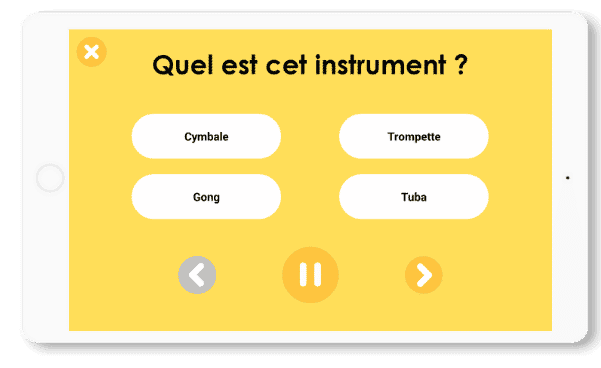
Over 30 cognitive games for independent seniors, including the game THE MUSIC EAR with a music quiz featuring songs from the 1930s to the 1980s
SCARLETT
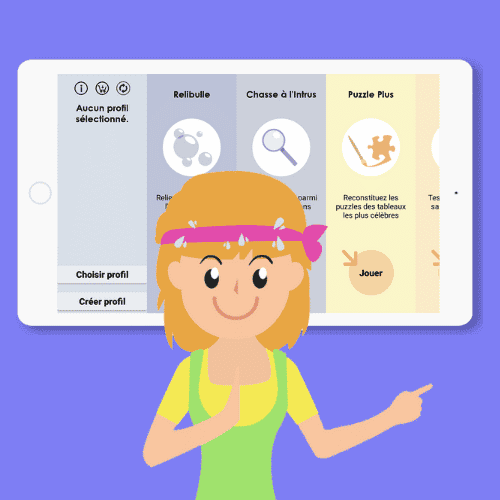
The same games in an easier format, also featuring the game THE MUSIC EAR, with quiz questions, sounds, and noises from everyday life, animals, or instruments to recognize.

E-SOUVENIRS
The E-Souvenirs app presents you with images, videos, and audios featuring music pieces from the 1930s to today, for your enjoyment!
In nursing homes, stimulating residents' memory is crucial for their well-being and quality of life. Among the many approaches used, music proves to be a powerful and effective tool. Music therapy, the use of retro songs, and organizing concerts are ways to stimulate memory and promote the emotional well-being of elderly people.
In this article
The importance of memory stimulation in nursing homes
Memory plays a central role in the daily lives of elderly people in nursing homes. It allows them to recall their past experiences, recognize their loved ones, and maintain a certain level of autonomy. However, with age, memory can begin to decline, which may lead to difficulties in daily activities. That is why it is crucial to implement memory stimulation activities to maintain and improve the cognitive abilities of residents.
Music therapy: an effective approach
Music therapy is a therapeutic practice that uses music as a tool for communication and stimulation. In nursing homes, music therapy can be used to stimulate the memory of residents. Music therapy sessions often involve listening to and discussing retro songs that evoke memories from the past. These songs can revive memories and emotions in elderly people, even those affected by memory disorders such as dementia. By working with a qualified music therapist, residents can participate in interactive musical activities such as singing, dancing, and playing musical instruments. These activities promote social engagement, emotional expression, and cognitive stimulation.
Moreover, music can also facilitate the learning and memorization of new information. By incorporating songs into cognitive stimulation activities, residents in nursing homes can benefit from an improvement in their short-term memory and their ability to recall new information.
Artistic activities related to music
In addition to listening to music and concerts, there are many artistic activities related to music that can stimulate the memory of elderly people in nursing homes. For example, painting workshops inspired by songs can allow residents to express their creativity while evoking music-related memories. Similarly, dance sessions adapted to the physical abilities of residents can combine fun, movement, and music, thus stimulating bodily and emotional memory. Songwriting or poetry activities can also be explored to encourage creative expression and sharing of memories.
Integrating Music into Daily Life in Nursing Homes
To maximize the benefits of music on memory, it is important to incorporate music into the daily lives of residents in nursing homes. This can include creating personalized playlists tailored to each resident's musical preferences, regularly playing music in common areas, and encouraging residents to play a musical instrument if they are able. Music can also be integrated into therapeutic activities, gentle exercise sessions, relaxation sessions, or moments of leisure. By making music an integral part of life in a nursing home, we create an enriching and stimulating environment for residents.
Remember that each resident is unique and may have different musical preferences. It is important to respect the tastes and individual preferences of each resident when organizing musical and artistic activities. By offering a wide range of musical choices and encouraging active participation from residents, we can create a personalized and meaningful musical experience.
Thus, music is a true treasure for stimulating the memory of elderly people in nursing homes. It awakens emotions, brings back memories, and fosters social interaction. Music therapy, concerts, and artistic activities related to music provide valuable opportunities to enhance emotional well-being and improve the quality of life for residents. By thoughtfully and creatively integrating music into the daily life of nursing homes, we can create a vibrant, joyful, and memorable environment for residents.
Discover digital programs with music for residents
The effects of music on psychological well-being
Music is not only limited to stimulating memory; it also plays a crucial role in the psychological well-being of residents in nursing homes. Studies have shown that listening to music can reduce levels of anxiety and depression, thus fostering a calmer and more pleasant atmosphere. The beneficial effects of music on psychological well-being include:
- Stress reduction: Soft and soothing music can help lower cortisol levels, the stress hormone, and promote a sense of calm.
- Improvement of mood: Listening to cheerful or nostalgic pieces can stimulate the production of neurotransmitters like dopamine, contributing to better morale.
- Stimulation of creativity: Music can also encourage creative expression, allowing residents to engage in artistic activities that promote their emotional well-being.
Music as a tool for socialization
Music serves as a bridge between individuals, facilitating social interactions and strengthening bonds among residents. In nursing homes, music can play a key role in creating a dynamic social environment. Here are some ways music promotes socialization:
- Singing groups: Forming choirs or singing groups allows residents to come together, share their passion for music, and create connections.
- Dance workshops: Group dance sessions encourage active participation and movement while fostering camaraderie and collective enjoyment.
- Musical events: Organizing musical evenings or concerts allows residents to meet, share memories, and celebrate together.
Musical technologies serving residents
With technological advancements, new innovative methods are emerging to integrate music into the lives of residents. Musical technologies can offer enriching and personalized experiences. Here are some examples:
- Music therapy applications: Dedicated applications allow residents to choose their favorite music, explore various genres, and participate in interactive activities.
- Portable audio devices: Headphones and Bluetooth speakers enable residents to listen to music individually, fostering an immersive experience.
- Virtual reality programs: Some initiatives use virtual reality to immerse residents in concerts or musical events, providing them with a unique and memorable experience.
Music and memories: a powerful link
Music has the power to evoke powerful and meaningful memories, especially in elderly people. When a song resonates, it can instantly transport a resident to a specific moment in their life. This phenomenon is particularly beneficial in the context of cognitive and emotional stimulation. Here’s how music can strengthen this link with memories:
- Creation of personalized playlists: Establishing playlists based on the musical tastes of residents can help them remember happy moments and share their stories.
- Reminiscence workshops: Organizing sessions where residents listen to meaningful pieces and discuss the memories they evoke can encourage enriching exchanges.
- Use of thematic music: Songs related to historical or cultural events can stimulate discussions and reflections on the past, thereby strengthening the sense of identity and continuity.
Did this content help you? Support DYNSEO 💙
We are a small team of 14 people based in Paris. For 13 years, we have been creating free content to help families, speech therapists, care homes and healthcare professionals.
Your feedback is the only way we know if our work is useful. A Google review helps us reach other families, caregivers and therapists who need it.
One action, 30 seconds: leave us a Google review ⭐⭐⭐⭐⭐. It costs nothing, and it changes everything for us.