
The toolbox
coaches

Find all our resources and tools for taking care of yourself and your loved ones.
Practical guides and advice
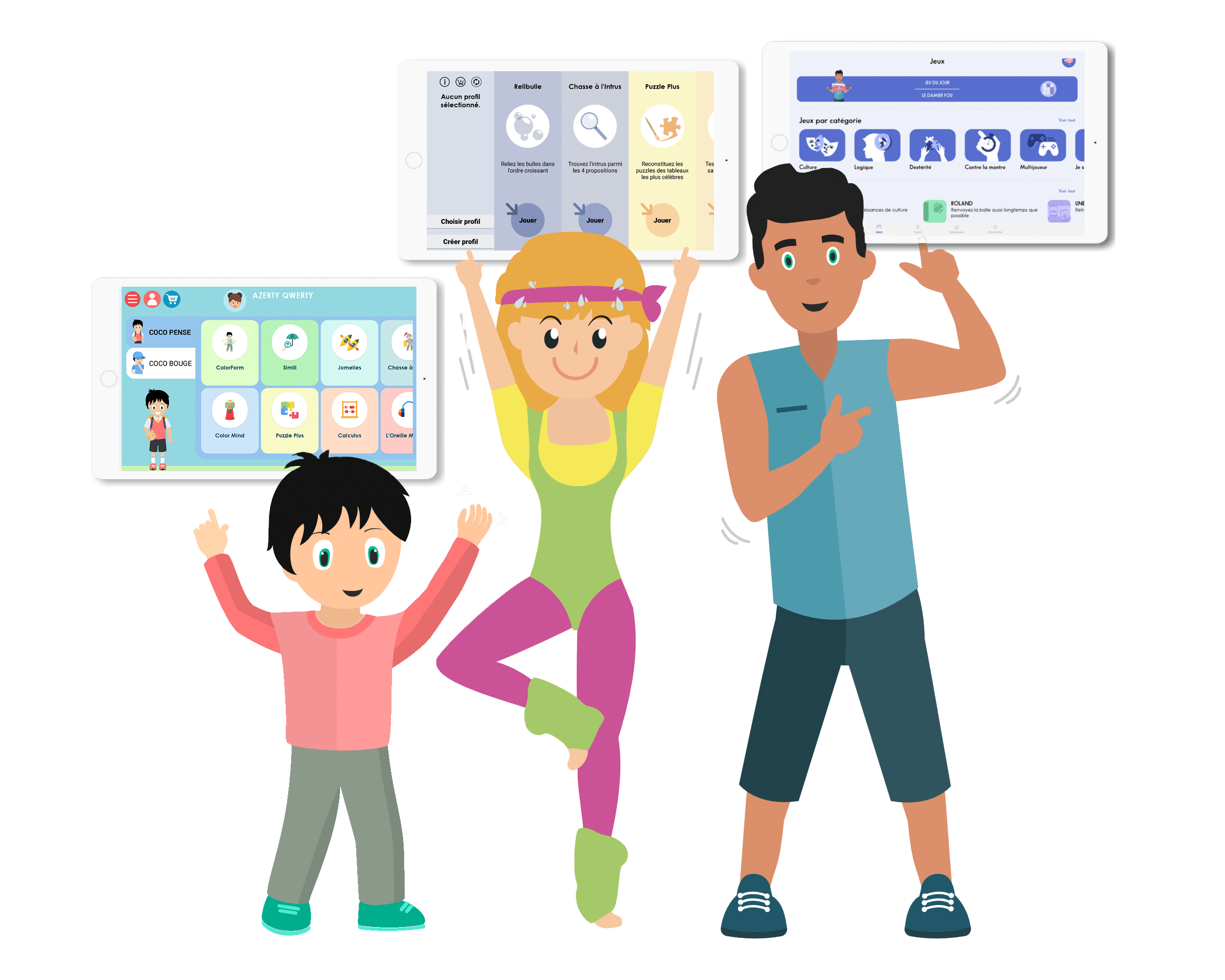
ALL DATA SHEETS – COGNITIVE STIMULATION

ADHD Motivation Table: Practical Guide for Speech Therapists — DYNSEO
Weekly Homework Planner: Practical Guide to Support ADHD – Speech Therapist Tips

Attention Re-focusing Cards for ADHD: Practical Guide for Speech Therapists — DYNSEO
Weekly Homework Planner: What Is It For and How to Use It?

Lack of Words in Adults: Causes, Signs, and Speech Therapy
Sensory Food Profile: Practical Guide to Support Eating Disorders – Speech Therapist Advice
Imagining Complex Sounds Dyslexia: Practical Guide for Speech Therapists – DYNSEO
🔊 Dyslexia · Phonology · Oral language · Speech therapy How to use the complex sounds picture bookin a dyslexia session? Complete practical guide — speech therapist's advice for integrating the complex sounds picture book into phonological work specific to dyslexia,...

Breathing Relaxation Sheet for Stuttering: Practical Guide for Speech Therapists – DYNSEO
🫁 Stuttering · Breathing relaxation · Speech therapy How to use the breathing relaxation sheetin stuttering sessions? Complete practical guide — speech therapist's advice for integrating the breathing relaxation sheet into the management of stuttering, from...
Impulsivity Management Sheet: What Is It For and How to Use It?

Imagining Complex Sounds: Everything Parents and Caregivers Need to Know to Support Autism – Speech Therapist Tips
🔊 Oral language · Autism · ADHD · Speech therapy Imagery of complex sounds :everything parents and caregivers need to know to support autism How to use the imagery of complex sounds to support the development of oral language in autistic children — complete guide for...

Guide to Educational Adaptation for Down Syndrome: A Resource for Parents and Caregivers – DYNSEO
Attention Refocusing Cards for Attention Disorders: A Guide for Parents and Caregivers – DYNSEO
Guide to Educational Adaptation Down Syndrome 21: Practical Guide for Speech Therapists – DYNSEO

Technology and Fine Motor Skills in Parkinson’s Disease – DYNSEO
Games and Activities Adapted for Students with Language Disorders
COGNITIVE FUNCTIONS BY PROGRAM
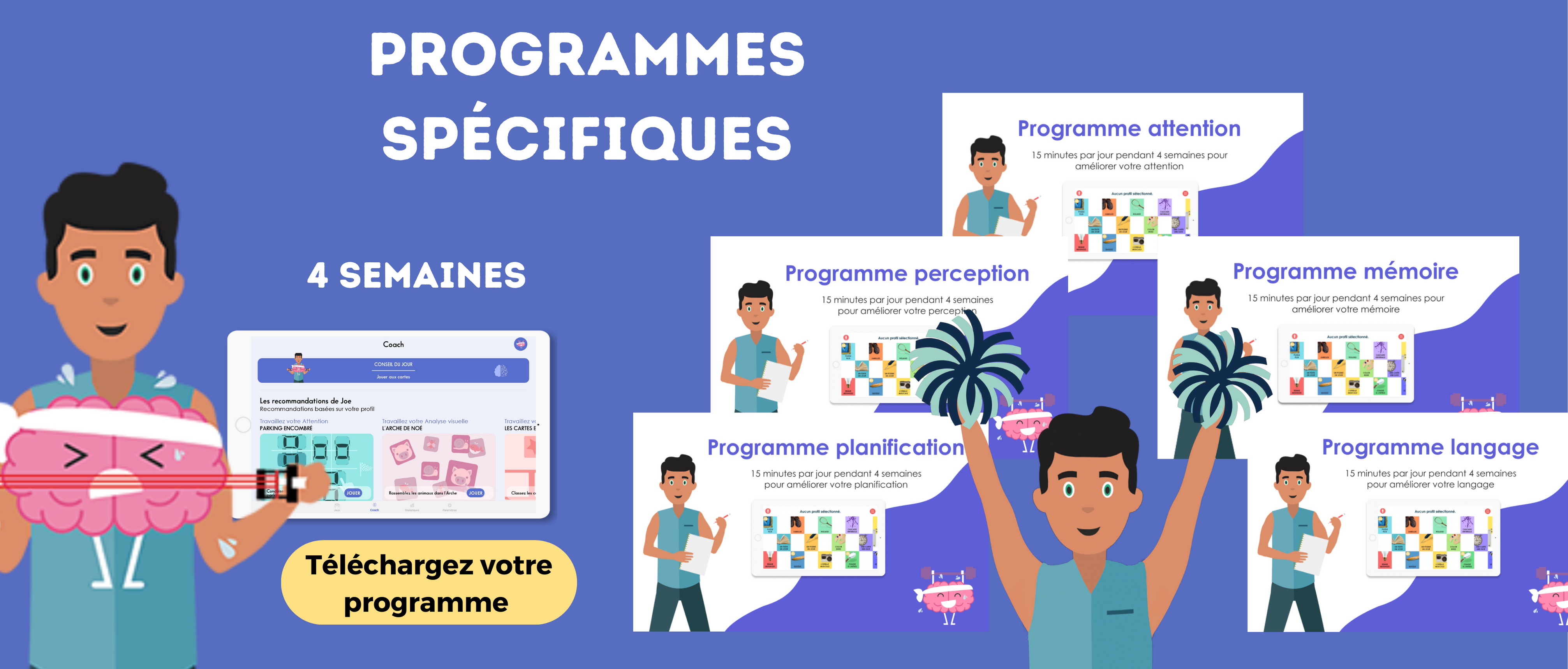
By clicking on your coach’s icon, you’ll have access to a frieze that lets you choose games according to the cognitive functions you wish to stimulate: attention, semantic memory, language, etc.



FOLLOW A 4-WEEK TRAINING PROGRAM
ATTENTION PROGRAM
For 4 weeks, follow our program to work on attention by playing our specially selected games for 15 minutes a day.
MEMORY PROGRAM
For 4 weeks, follow our program to work the memory by playing our specially selected games for 15 minutes a day.
LANGUAGE PROGRAM
For 4 weeks, follow our program to work on language by playing our specially selected games for 15 minutes a day.
PLANNING PROGRAM
For 4 weeks, follow our program to work on your planning by playing our specially selected games for 15 minutes a day.
PERCEPTION PROGRAM
During 4 weeks follow our program to work on perception by playing our specially selected games for 15 minutes a day.
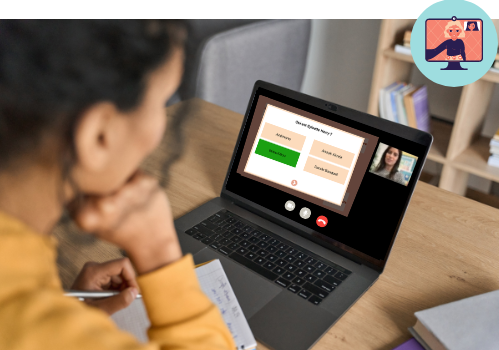
Be accompanied online by a memory training coach
Book 1 hour sessions with our DYNSEO expert. During the coaching session, using the COCO, Clint or Scarlett application, the expert will suggest certain games according to the cognitive functions you wish to improve (attention, memory, language, etc.). He will be able to advise you on the best games to play for your goal, and provide you with strategies to implement.
Coaching can be booked by :
- Individuals who want support in using our programs: training at home alone can be difficult. We can lose our motivation if we have no one to play with. Sometimes a loved one can initiate cognitive stimulation activities, but patience is required and an outsider may be easier.
- Individuals who are followed by health professionals but who also do activities at home: between sessions with the professional, you can train at home. The expert can advise you on the most suitable games for your needs.
- Individuals who are waiting to begin a course of treatment : waiting times to make an appointment with a speech-language pathologist can be very long. During the wait, you can start your cognitive training and be followed by our expert to perform activities together.
If you or your loved ones have cognitive problems or frailties, it is important to be monitored by a doctor or health care professional. Coaching is a tool to accompany the use of our programs on the tablet. It does not replace a speech therapy assessment. If you are using our programs because you have a medical condition, talk to your doctor.

A quick appointment

Without leaving your home

Advice tailored to your needs

DYNSEO, and your memory goes into overdrive!



Our apps






Frequently asked questions
The coach’s toolbox
What is the coach's toolbox?
The coach's toolbox is a comprehensive collection of resources, techniques, and strategies that coaches use to effectively guide and support their clients in achieving their goals.
What types of tools are typically found in a coach's toolbox?
A coach's toolbox typically includes assessment tools, goal-setting frameworks, communication techniques, feedback methods, motivational strategies, and various exercises designed to help clients overcome challenges and improve performance.
Why is having a diverse coaching toolbox important?
Having a diverse coaching toolbox is important because different clients respond to different approaches. A varied collection of tools allows coaches to adapt their methods to individual client needs, preferences, and learning styles for maximum effectiveness.
How can coaches build and expand their toolbox?
Coaches can build and expand their toolbox through continuous learning, attending workshops and training programs, reading coaching literature, practicing new techniques, seeking mentorship, and gathering feedback from their coaching experiences.
What are some essential tools every coach should have?
Essential tools every coach should have include active listening skills, powerful questioning techniques, goal-setting frameworks, feedback delivery methods, accountability systems, and tools for building trust and rapport with clients.
How do coaches know which tool to use in different situations?
Coaches determine which tool to use based on client assessment, the specific challenge or goal at hand, the client's personality and preferences, the stage of the coaching relationship, and their professional experience and intuition about what will be most effective.