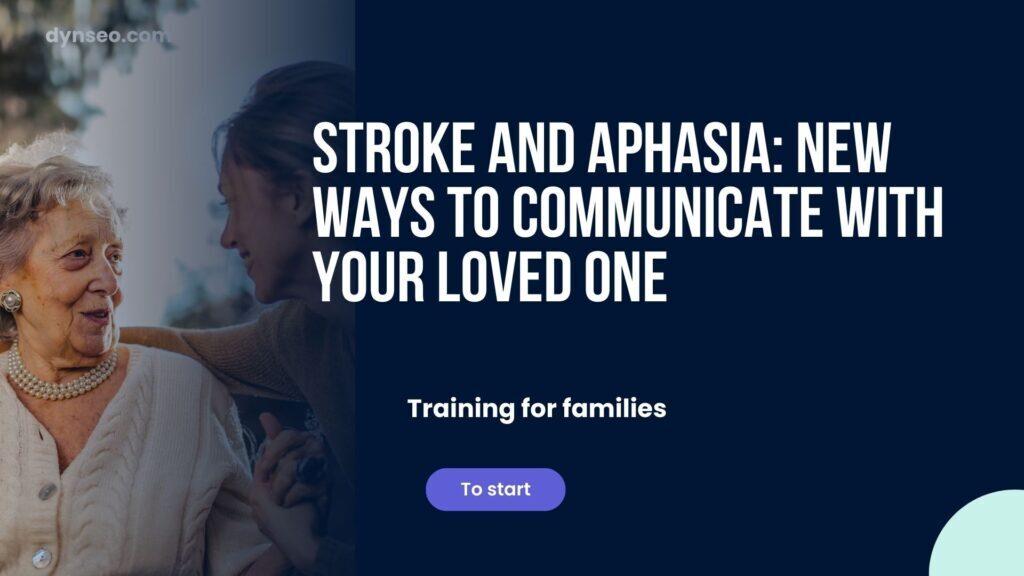
Post-stroke aphasia is a language disorder that occurs following a stroke. This phenomenon manifests as difficulties in speaking, understanding, reading, or writing. As a group, we understand that aphasia is not a disease in itself, but rather a symptom of brain injury.
Individuals affected may experience considerable frustration, as their ability to communicate is impaired, which can affect their quality of life and social interactions. We must also recognize that post-stroke aphasia can vary significantly from person to person. Some individuals may have minor difficulties, while others may be completely unable to express themselves verbally.
This diversity in the manifestations of aphasia underscores the importance of accurate assessment and tailored treatment for each individual.
Dans cet article
The different types of aphasia and their symptoms
There are several types of aphasia, each with its own characteristics and symptoms. Broca's aphasia, for example, is characterized by difficulty in forming complete sentences. Affected individuals may speak using isolated words or very short phrases, making their speech often fragmented.
As a community, we can imagine the frustration this causes, as these individuals are often aware of their difficulties and wish to communicate but face obstacles. On the other hand, Wernicke's aphasia is characterized by fluent but often incoherent language production. Affected individuals may talk a lot, but their words may not make sense or may be used incorrectly.
This can create confusion for those listening to them. We realize that these differences in types of aphasia require varied approaches in rehabilitation and support.
The causes of post-stroke aphasia
Post-stroke aphasia is primarily caused by brain injuries resulting from an ischemic or hemorrhagic stroke. In the case of an ischemic stroke, a blood vessel becomes blocked, depriving a part of the brain of oxygen and nutrients. This can lead to the death of brain cells in areas responsible for language.
As a group, we understand that this sudden interruption of blood flow can have devastating consequences on cognitive and linguistic abilities. Additionally, hemorrhagic strokes, which occur when blood vessels burst in the brain, can also cause similar damage. These events can be triggered by various factors such as high blood pressure, vascular malformations, or head trauma.
We must be aware that preventing strokes involves managing risk factors, which can reduce the incidence of post-stroke aphasia.
How to diagnose post-stroke aphasia
The diagnosis of post-stroke aphasia relies on a thorough clinical evaluation. Healthcare professionals, such as neurologists and speech therapists, use a combination of neurological examinations and language tests to assess an individual's linguistic abilities. As a community, we know that this evaluation is crucial for determining the type of aphasia and the severity of the disorder.
It is also important to note that the diagnosis may include brain imaging tests, such as an MRI or CT scan, to visualize brain lesions. These tools allow doctors to better understand the extent of the damage and develop an appropriate treatment plan. We realize that early diagnosis is essential to maximize rehabilitation chances and improve the quality of life for affected individuals.
◆ ◆ ◆
Communication strategies for individuals with post-stroke aphasia
To help individuals with post-stroke aphasia communicate more effectively, there are several strategies we can adopt. For example, using short and simple sentences can facilitate understanding. As caregivers or relatives, we can encourage affected individuals to express themselves without pressure, giving them the time they need to formulate their thoughts.
Additionally, using visual aids such as images or gestures can also enhance communication. We can create a conducive environment for exchange by avoiding distractions and maintaining eye contact. These techniques can not only help overcome language barriers but also boost the self-confidence of affected individuals.
The importance of support and assistance for individuals with post-stroke aphasia
The importance of listening and a supportive environment
As a community, we must recognize that these individuals may feel a sense of isolation and frustration due to their communication difficulties. Offering attentive listening and a supportive environment can make a significant difference in their rehabilitation process. Furthermore, assistance from trained speech therapy professionals is essential to help these individuals regain their linguistic abilities.The benefits of support groups
We should encourage participation in support groups where individuals can share their experiences and learn from one another. This type of social interaction can not only improve their communication skills but also boost their self-esteem.A comprehensive support approach
Ultimately, it is essential to provide a comprehensive support approach that combines emotional support, professional assistance, and social interaction to help individuals with post-stroke aphasia regain confidence and improve their quality of life.Treatments and rehabilitation for post-stroke aphasia
The rehabilitation of post-stroke aphasia often involves a multidisciplinary approach. Speech therapists play a central role in treatment by designing personalized programs tailored to the specific needs of each individual. As a group, we understand that these programs may include exercises aimed at improving language comprehension, verbal production, and even reading and writing.
Moreover, there are also complementary therapies that can be beneficial. For example, some studies have shown that music therapy can help stimulate areas of the brain related to language. We must be open to exploring different therapeutic methods that could enrich the rehabilitation journey of individuals with post-stroke aphasia.
◆ ◆ ◆
Advice for relatives and caregivers of individuals with post-stroke aphasia
As relatives or caregivers, it is essential to adopt a patient and empathetic approach towards individuals with post-stroke aphasia. We must avoid completing their sentences or interrupting them, as this can undermine their confidence. Instead, we can encourage their expression by asking open-ended questions that allow them to engage in conversation. Additionally, it is important to educate ourselves about aphasia to better understand what our loved ones are experiencing.
As an informed community, we can create a supportive environment that facilitates communication and reduces feelings of isolation. Ultimately, our unconditional support can play a decisive role in the rehabilitation process and in the quality of life of individuals affected by post-stroke aphasia.
Did this content help you? Support DYNSEO 💙
We are a small team of 14 people based in Paris. For 13 years, we have been creating free content to help families, speech therapists, care homes and healthcare professionals.
Your feedback is the only way we know if our work is useful. A Google review helps us reach other families, caregivers and therapists who need it.
One action, 30 seconds: leave us a Google review ⭐⭐⭐⭐⭐. It costs nothing, and it changes everything for us.