Preventing Behavioral Disorders: Early Warning Signs
Identify precursor signals, observe methodically, and intervene before escalation
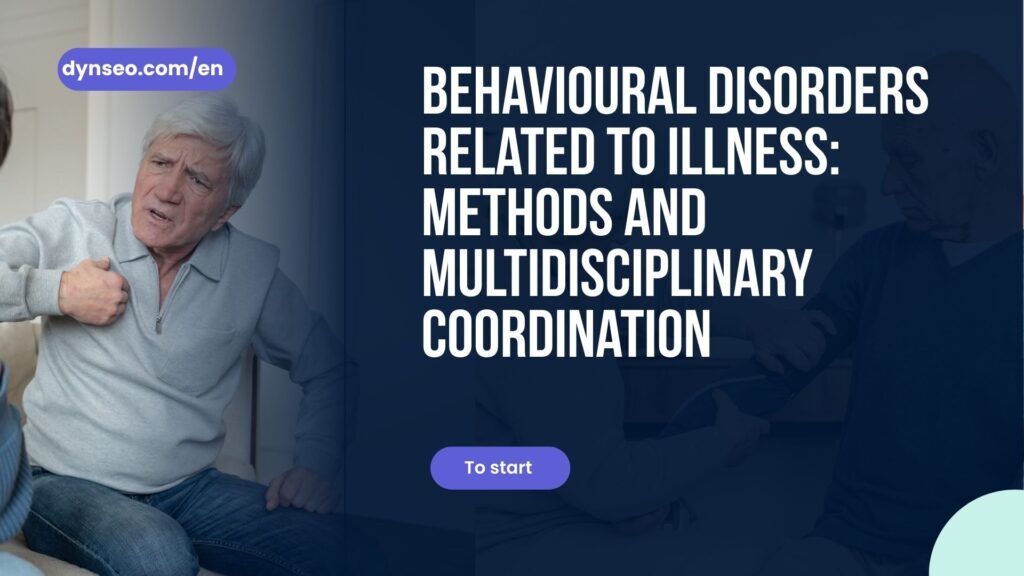
The prevention of behavioral disorders in Nursing homes is based on a fundamental principle: prevention is better than cure. Identifying early warning signs allows for intervention before behaviors become problematic, violent, or dangerous. This proactive approach protects both residents and caregivers, improves the quality of life for all, and significantly reduces the need for emergency interventions and medication treatments. Careful, methodical, and systematic observation of residents' behavior is the cornerstone of this prevention. It requires structured tools, adequate training for teams, and an institutional culture that values observation as an essential professional skill.
Dans cet article
La formation associée
Understanding the Precursor Signals of Behavioral Disorders
What is an Early Warning Signal?
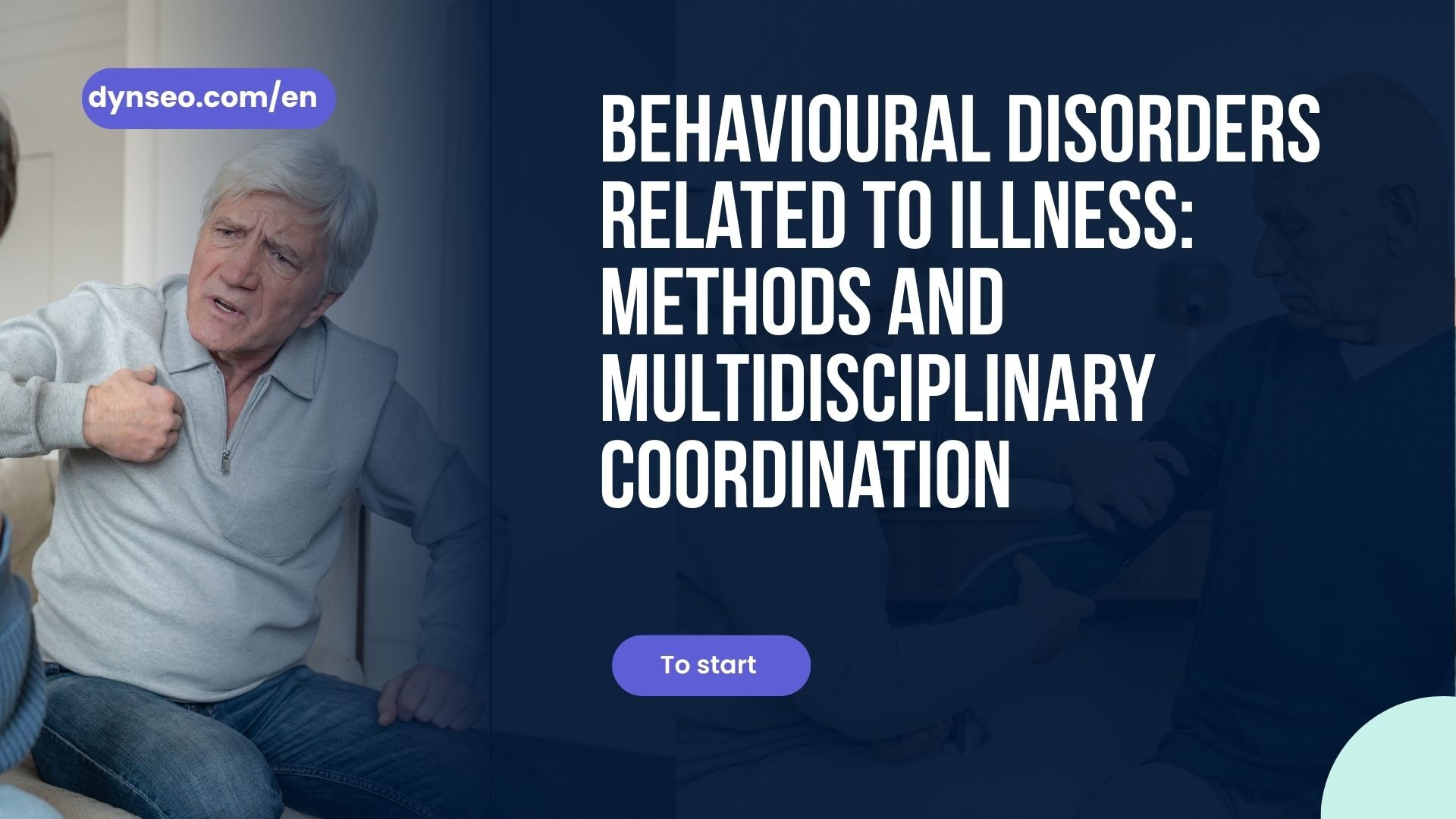
An early warning signal is a subtle change in a resident's behavior, mood, habits, or physical state that precedes the onset of a manifest behavioral disorder. These signals are often discreet and can go unnoticed if not given particular attention. They constitute the first symptoms of a developing problem: unrelieved pain, emerging infection, nascent anxiety disorder, environmental maladjustment, or unmet needs.
The detection of these signals relies on a deep knowledge of the person. Each resident has their own "baseline" functioning, rhythm, habits, and preferences. Any deviation from this usual functioning should raise concern. For example, a resident who is usually smiling and communicative becoming silent and withdrawn, or conversely, a calm person becoming agitated for no apparent reason. These changes, even minimal, are significant.
Precursor signals can manifest in different areas: physical (changes in appetite, sleep, gait), emotional (irritability, sadness, anxiety), cognitive (increased confusion, difficulties concentrating), social (withdrawal, refusal to participate in activities), or behavioral (agitation, excessive wandering, mild verbal aggression). The important thing is not to isolate them but to consider them as a whole and in their temporal evolution.
💡 Principle of Early Prevention
Early prevention is based on a cascading model:
- Usual state: reference behavior of the resident
- Subtle signals: minor but significant changes
- Warning signs: more marked changes in behavior
- Behavioral disorders: established problematic manifestations
- Behavioral crisis: immediate danger situation
The goal of prevention is to intervene at stages 1 and 2, before disorders settle in and require heavier and more constraining interventions.
The Categories of Precursor Signals
Warning signs can be classified into several categories to facilitate their identification. Physical changes are often the first indicators of an underlying problem. A change in appetite (sudden loss of appetite or, conversely, excessive appetite), sleep disorders (insomnia, frequent night awakenings, unusual daytime drowsiness), a change in gait (slowing down, dragging feet, new instability) or the appearance of pain expressed or non-verbal (grimaces, protecting a body area, agitation during certain movements).
Emotional and mood changes constitute a second important category. Increased irritability, unusual sadness, manifest anxiety (worried looks, twisting hands, repeated requests for reassurance), frequent crying or, conversely, apathy (absence of emotional reaction, blank stare) are all signals that something is wrong on an emotional level.
Cognitive changes may precede the onset of behavioral disorders. Increased confusion compared to the usual state, new difficulties in concentration, more marked temporal or spatial disorientation, or language disorders (difficulty finding words, incoherent sentences) require particular attention as they may indicate an infection, a metabolic disorder, or a drug reaction.
Changes in social interactions are also revealing. Social withdrawal (refusal to participate in activities usually enjoyed, isolation in the room), unusual conflicts with other residents or staff, refusal of care that did not exist before, or conversely, excessive dependence (constant requests for attention, repeated calls) signal a discomfort that needs to be explored.
🏥 Physical Signals
- Loss or increase of appetite
- Sleep disturbances (insomnia, hypersomnia)
- Change in gait or posture
- Facial grimaces or protection of a body area
- Agitation during certain movements
- Unusual fatigue or decrease in energy
- Changes in elimination (constipation, new incontinence)
😟 Emotional Signals
- Increased irritability or impatience
- Frequent sadness or crying
- Manifest anxiety (worried looks, agitation)
- Apathy or lack of emotional response
- Unusual fear or distrust
- Emotional lability (rapid shifts from one emotion to another)
- Expression of feelings of uselessness or despair
🧠 Cognitive Signals
- Increased confusion compared to usual state
- New concentration difficulties
- More marked temporal or spatial disorientation
- Language disorders (difficulty expressing oneself, incoherence)
- More frequent forgetfulness
- Difficulties in tasks usually mastered
- Hallucinations or delusional ideas
Distinguish Temporary Signals from Persistent Signals
Not all observed changes are necessarily warning signals requiring intervention. It is important to distinguish normal variations (occasional fatigue after a bad night, temporary irritability after a difficult visit) from persistent or recurring changes that indicate an underlying problem. The duration and frequency of the signal are therefore essential criteria.
A signal that persists beyond 48-72 hours should be considered significant and requires thorough evaluation. Similarly, a signal that repeats regularly (for example, agitation every late afternoon, systematic refusal of morning hygiene) is not a coincidence and should be analyzed to understand what triggers it. The increasing intensity of a signal (mild irritability that becomes more pronounced day by day) is also a warning criterion.
It is helpful to keep an observation journal, even informal, to track the evolution of signals over time. Quickly noting "Mr. D. did not have lunch today," then the next day "Mr. D. still has no appetite, refused the meal," allows one to observe the persistence of the problem and decide on an intervention. Without this traceability, observations are forgotten and signals go unnoticed.
🎓 DYNSEO Training: Behavioral Disorders for Professionals
Learn to identify precursor signals, use effective observation grids, and implement appropriate early interventions. Qualiopi certified training with a practical and methodological approach.
Structured Observation Tools
Standardized Observation Grids
The standardized observation grids are tools that allow for structuring and objectifying the observation of behaviors. They provide a common framework for the entire team, facilitate communication among professionals, and allow for tracking changes over time. Several grids exist, adapted to different contexts and objectives.
The Neuropsychiatric Inventory (NPI) is a widely used tool to assess the behavioral and psychological symptoms of dementia. It explores twelve domains: delusions, hallucinations, agitation/aggressiveness, depression/dysphoria, anxiety, mood elevation/euphoria, apathy/indifference, disinhibition, irritability/mood instability, aberrant motor behavior, sleep, and appetite disturbances. For each domain, the frequency, severity, and impact on the resident and caregivers are assessed.
The Cohen-Mansfield Scale (CMAI - Cohen-Mansfield Agitation Inventory) specifically focuses on agitation behaviors. It lists 29 behaviors divided into three categories: aggressive behavior (hitting, biting, spitting, shouting), non-aggressive physical behavior (wandering, manipulating objects, repetitive behaviors), and verbal behavior (screaming, complaints, repeated questions). The frequency of each behavior is assessed on a scale from 1 (never) to 7 (several times per hour).
The NDB Scale (Neurobehavioral Rating Scale) allows for a global assessment of behavioral disorders after a brain injury but can be adapted for elderly people. It includes 27 items rated from 0 (absent) to 6 (very severe): affective indifference, disinhibition, fatigue, hostility, irritability, agitation, psychomotor slowness, apathy, disorientation, attention disorders, etc.
These standardized grids have the advantage of reliability (comparable results between different observers) and scientific validity (they truly measure what they claim to measure). However, they require training to be used correctly and can be time-consuming. They are particularly useful for initial assessments, regular re-evaluations (every 3 to 6 months), and evaluating the effectiveness of interventions.
⚠️ Limits of Standardized Grids
Although useful, standardized grids have certain limitations that one should be aware of:
- Administration time: completing a full grid can take 20 to 45 minutes
- Necessary training: correct use requires specific training
- Rigidity: some nuances of behavior may escape predefined items
- Instant effect: measurement at a specific moment may not reflect daily variability
- Residual subjectivity: despite standardization, a degree of interpretation remains
These grids should therefore be supplemented by qualitative and contextual observations on a daily basis.
Daily Observation Tools
In addition to standardized grids, simpler and quicker daily observation tools can be implemented. The communication notebook or transmission notebook remains the basic tool, provided it is used in a structured manner. Instead of long and less actionable descriptive notes ("Mrs. L. was difficult this morning"), it is more useful to adopt a structured format:
- Exact date and time
- Observed behavior (factual description): "Mrs. L. refused personal care at 9:30 AM, pushed the caregiver away, and yelled 'Leave me alone!'"
- Context: "Morning personal care, two residents were talking loudly in the hallway"
- Intervention performed: "We left the room, waited 20 minutes, then returned with two people speaking softly"
- Result: "Mrs. L. accepted partial personal care, calmed down"
The targeted tracking sheets allow tracking a specific behavior identified as problematic. For example, a sheet "Food refusals of Mr. B." where we note every day: proposed meal, quantity consumed, context (alone/in a group, atmosphere), refusal or acceptance, strategies employed, result. This tracking over several days allows identifying patterns: Mr. B. eats better at breakfast than at other meals, systematically refuses when there is too much noise, accepts more when offered small quantities.
The ABC diagrams (Antecedent - Behavior - Consequence) are very useful for understanding the triggers of behaviors. We note what was happening just before the behavior (antecedent), the behavior itself (objective description), and what happened just after (consequence). This functional analysis method helps identify what triggers and maintains the behavior, and thus find intervention levers.
💡 Example of ABC Analysis
Antecedent (A) : It is 4:30 PM, Mrs. F. is sitting alone in the living room, the other residents are having their snack in the dining room. The caregiver arrives to take her to the bathroom for the end of the afternoon.
Behavior (B) : Mrs. F. suddenly stands up, pushes the caregiver away, shouts "No! Not now!", tries to quickly leave the living room.
Consequence (C) : The caregiver insists ("We need to go, Mrs. F., it's time"), Mrs. F. becomes more agitated, eventually strikes the caregiver's arm. The caregiver withdraws, frustrated.
Analysis : The trigger seems to be the time (end of the afternoon, fatigue), being alone (the others are at snack time, she feels excluded), and perhaps the too direct approach without preparation. The consequence (caregiver's insistence) worsened the situation. Intervention suggestion : first offer the snack, then the bathroom, or change the bathroom schedule to a time when Mrs. F. is less tired.
Sensory Observation and Pain Assessment
A crucial area of observation is the detection of pain in non-communicative individuals. Pain is a major cause of behavioral disorders, and it often goes unnoticed because the person cannot express it verbally. Therefore, observation should focus on non-verbal indicators of pain.
Facial expressions are very revealing: furrowed brows, grimaces, clenched jaw, closed or squinted eyes, pain expression. Postures and body movements also provide clues: protecting a part of the body, stiffness, slowed movements or on the contrary agitation, refusal to move certain joints. Vocalizations can convey pain: moans, screams, complaints, repeated sighs.
Specific pain assessment scales for non-communicative individuals have been developed. The Algoplus scale assesses five items: face (furrowed brows, grimaces, tension), gaze (inattentive, fixed, distant or pleading look, crying), complaints (moans, screams), body (withdrawal or protection, refusal to mobilize, frozen posture), behavior (agitation or aggression, gripping). Each item present is worth one point, a score ≥ 2/5 indicates probable pain.
The Doloplus-2 scale is more comprehensive with ten items divided into three dimensions: somatic impact (somatic complaints, antalgic positions at rest, protection of painful areas, expression, sleep), psychomotor impact (toileting/dressing, movements), psychosocial impact (communication, social life, behavioral disorders). The maximum score is 30, a score ≥ 5/30 indicates pain requiring management.
The regular and systematic use of these scales (ideally daily for at-risk residents, at least weekly) allows for early detection of the onset or worsening of pain and intervention before it leads to significant behavioral disorders.
😣 Non-Verbal Signs of Pain
- Face : furrowed brows, grimaces, clenched jaw
- Gaze : fixed, absent, or on the contrary very mobile and anxious
- Posture : protection of an area, stiffness, frozen position
- Movements : agitation or on the contrary unusual immobility
- Vocalizations : moans, screams, complaints
- Sleep : frequent awakenings, difficulty falling asleep
- Appetite : sudden food refusal
📋 Recommended Scales
- Algoplus : quick (5 items), suitable for emergencies and daily use
- Doloplus-2 : comprehensive (10 items), in-depth assessment
- ECPA (Behavioral Assessment of the Elderly) : 8 items, widely used in France
- Abbey Pain Scale : 6 items, easy to use
- PAINAD : 5 items, dementia-specific
🎓 DYNSEO Training: Practical Guide for Family Caregivers
This training helps families understand behavioral changes and identify warning signs. As a professional, knowing this training allows you to better guide families and create a therapeutic alliance around the resident.

Intervene Early: Strategies and Actions
The Multidimensional Assessment in Response to a Warning Signal
When a warning signal is identified, it is essential to conduct a multidimensional assessment to understand the cause and determine the appropriate intervention. This assessment must systematically explore several dimensions. The medical dimension is a priority: is there an organic cause for the behavioral change? Pain, infection (urinary, respiratory, dental), metabolic disorder (dehydration, hypoglycemia, electrolyte imbalance), constipation or fecal impaction, side effects of medications?
A clinical examination by a nurse or doctor must be performed quickly. Vital signs (temperature, blood pressure, oxygen saturation, heart rate), examination of systems (cardio-respiratory, digestive, urinary), pain assessment with an appropriate scale, checking oral health status, examination of skin areas (pressure sores, fungal infections, wounds). Additional tests may be prescribed if necessary: urinalysis if urinary infection is suspected, blood tests, X-ray if recent fall.
The environmental dimension must also be explored: what has changed recently in the resident's environment? Change of room, new roommate, departure or arrival of staff, construction in the facility, changes in meal or activity schedules? These changes, even if they seem minor, can deeply disturb a person with cognitive disorders who needs stable references.
The psycho-emotional dimension is equally important: has the resident experienced a stressful event? Difficult visit from a relative, announcement of bad news, conflict with another resident, anniversary of a painful event (death of a loved one)? People with dementia often retain significant emotional sensitivity even if they cannot always express it verbally. An empathetic interview, even with a non-communicative person, can help gather clues.
Finally, the social and occupational dimension must be considered: is the resident bored? Do they feel useless or devalued? Do they lack appropriate stimulation or, on the contrary, are they overstimulated? Do the proposed activities match their interests and current abilities? Feelings of boredom, uselessness, or infantilization can generate frustration, withdrawal, or agitation.
🔍 Quick Evaluation Checklist
In the face of a change in behavior, systematically ask these questions:
- Pain? Use an appropriate assessment scale
- Infection? Fever, urinary or respiratory symptoms, oral health status
- Constipation or fecal impaction? Date of last bowel movements, abdominal discomfort
- Medications? New treatment, dosage modification, possible interaction
- Hydration and nutrition? Sufficient intake, signs of dehydration
- Sleep? Quality of sleep the previous night, excessive fatigue
- Environmental change? New disruptive element in the environment
- Emotional event? Visit, news, anniversary of a loss
- Unmet needs? Boredom, lack of stimulation, need for privacy, need to use the toilet
Early Non-Pharmacological Interventions
Once the evaluation is completed, non-pharmacological interventions should be prioritized before considering medication treatments. If a medical cause is identified (pain, infection, constipation), it should of course be treated specifically: analgesics for pain, antibiotics for infection, treatment for constipation. But beyond causal treatment, complementary non-pharmacological approaches improve overall well-being.
Sensory approaches have proven effective: music therapy with music chosen according to the resident's preferences (youth music, cultural music, calming music) can soothe anxiety and agitation. Aromatherapy with relaxing essential oils (true lavender, bitter orange leaf, Roman chamomile) used in diffusion or massage helps create a calming atmosphere. Light therapy can help regulate disrupted circadian rhythms (exposure to bright light in the morning, soft light in the evening).
Meaningful occupational activities prevent boredom and feelings of uselessness. The goal is not to offer infantilizing activities, but occupations suited to the resident's current abilities and related to their life history: simplified gardening for someone who loved gardening, fabric manipulation and sewing for a former seamstress, simple culinary activities (peeling, mixing, tasting) for someone who enjoyed cooking, adapted DIY, reading aloud, simplified board games.
Adapting the environment can be enough to resolve certain issues: reducing excessive stimuli (noise, overly bright light, overcrowding in common areas), creating withdrawal spaces to allow for isolation if needed, clear signage and visual cues to facilitate orientation, personalizing the living space (family photos, reassuring personal items), appropriate temperature and lighting.
Relational approaches are fundamental: increasing the time spent with the resident, adopting appropriate communication (soft voice, simple sentences, validation of emotions), offering comforting physical contact if the person appreciates it (hand on shoulder, gentle hand massage), respecting rhythm and preferences, involving the family in the support if they wish and if it benefits the resident.
🎵 Sensory Interventions
- Personalized music therapy
- Aromatherapy with soothing essential oils
- Light therapy to regulate circadian rhythm
- Gentle tactile stimulation (massages, caresses)
- Snoezelen (calming multi-sensory environment)
- Contact with animals (animal therapy)
🏡 Environmental Adaptations
- Reduction of noise and overstimulation
- Preference for natural lighting
- Clear signage and visual cues
- Withdrawal and privacy spaces
- Personalization of the room
- Appropriate temperature (neither too hot nor too cold)
🧩 Meaningful Activities
- Activities related to life history
- Valuable tasks adapted to abilities
- Gentle cognitive stimulation (games, simple puzzles)
- Manual and creative activities
- Outings and outdoor activities
- Facilitated social interactions
Involve the Team and Family
Early intervention is even more effective when it is shared by the entire team and involves the family. A quick team meeting (or a time for exchange during handover) allows for sharing observations, confronting viewpoints, collectively deciding on strategies to implement, and distributing roles. This collective approach prevents everyone from acting independently in contradictory ways and enhances the effectiveness of interventions.
The family can provide valuable information about the resident's habits, preferences, and life history. They can also be involved in certain interventions: bringing reassuring objects, participating in activities with their loved one, sharing meaningful photos or music. However, care must be taken not to guilt or overload families: their role is to accompany and support, not to replace professionals.
A personalized intervention plan should be formalized, even in a simple way: objective (example: reduce Ms. T.'s anxiety in the late afternoon), chosen strategies (daily walk at 4 PM, soft music, reassuring presence), responsible parties (afternoon caregiver), re-evaluation (in a week). This plan is recorded in the care file and followed during handovers. If the strategies do not work, they are adjusted.
🧩 SCARLETT Application: Cognitive Stimulation for Seniors
SCARLETT offers memory games and cognitive stimulation tailored for elderly people. Used regularly, it helps maintain cognitive abilities, prevent boredom, and can reduce certain behavioral disorders related to loss of bearings or lack of stimulation.
Organize Prevention at the Institutional Level
Train Teams in Observation and Early Detection
Early detection of warning signals requires that all professionals be trained in observation and made aware of its importance. Training should be initial (upon the arrival of new staff) and ongoing (regular refreshers, in-depth training). It should cover several aspects: understanding the mechanisms of behavioral disorders in dementia, knowing the main warning signals and their meanings, mastering observation tools (grids, pain scales), and knowing how to correctly fill out traceability tools.
Training should be practical and interactive: concrete case studies, role-playing, video analyses, grid-filling workshops. Professionals should be able to practice observing, objectively describing what they see, differentiating factual observation from interpretation, and using the tools. Regular practice analysis sessions allow for confronting observations, sharing difficulties encountered, and progressing collectively.
It is also essential to train teams in non-pharmacological interventions: adapted communication techniques (validation, humanitude), sensory approaches (music therapy, aromatherapy), managing aggression and de-escalation, relaxation and stress management techniques (for residents and for caregivers themselves). The more strategies professionals have at their disposal, the more comfortable they will be in intervening early.
💡 Priority Training Themes
- Understanding behavioral disorders: mechanisms, significance, evolution
- Structured observation: grids, scales, ABC method
- Detecting pain in non-communicative individuals
- Communicating with individuals with dementia: validation, humanitude, CNV
- Using non-pharmacological approaches: sensory, occupational, relational
- Managing aggression and de-escalating crises
- Working in a multidisciplinary team: effective handovers, shared decisions
- Taking care of oneself: stress management, burnout prevention
Establish Institutional Procedures and Protocols
For early prevention to be effective, it must be institutionally organized through clear procedures. A protocol for early detection and intervention should define: who observes what and when (for example: using the Algoplus scale daily for at-risk residents, NPI grid every 3 months), how observations are recorded (tools used, where they are stored, who fills them out), who analyzes the observations and decides on interventions (weekly team meeting, reference person per resident), what alert system is in place for concerning signals (who to notify, within what timeframe).
Regular coordination meetings should be institutionalized: weekly summary by unit to review residents showing warning signals, monthly multidisciplinary meeting (doctor, coordinating nurse, psychologist, occupational therapist, activity coordinator) for complex cases, medical staff meetings for medical situations requiring specialized advice. These meetings allow for cross-referencing perspectives, sharing information, and collectively deciding on interventions.
A reference person per resident can be designated: a professional (nursing assistant, nurse) who knows this resident particularly well and centralizes information about them. This reference person ensures that observations are made, fills out regular assessment grids, alerts in case of changes, and proposes suitable interventions. This reference system creates a beneficial special bond for the resident and holds professionals accountable.
Finally, a computerized traceability system can greatly facilitate monitoring. Care software allows for recording observations, programming automatic alerts (for example: "Ms. D. has not eaten for 2 days, nutritional alert"), tracking the evolution of scores on assessment scales, generating reports. However, computerization should not replace human exchange and team reflection.
Continuously Evaluate and Improve
Early prevention is not a fixed system; it must continuously improve through a quality approach. Monitoring indicators allow for evaluating the effectiveness of the system: percentage of residents having regular evaluations with standardized grids, average time between detection of a warning signal and implementation of an intervention, number of serious behavioral incidents (requiring emergency intervention, restraint, or emergency sedative treatment), satisfaction of residents and families, satisfaction and sense of competence among professionals.
Internal audits can be conducted: reviewing care files to verify whether observation tools are actually used and correctly filled out, surveying professionals to identify obstacles to observation (lack of time, overly complex tools, lack of training), feedback after incidents to analyze whether signals were missed and how to improve detection.
Feedback from families is also valuable. Families are often the first to notice subtle changes in their loved ones during visits. Creating smooth communication channels with families (communication book, family meetings, regular interviews) allows for collecting their observations and integrating them into the prevention system.
Finally, a scientific watch must be maintained to stay informed about new research, new observation methods, and innovations in non-pharmacological approaches. Best practice recommendations evolve, new tools are developed: early prevention must benefit from these advancements.
📊 Performance Indicators of Prevention
- Coverage Rate : % of residents benefiting from regular assessments
- Intervention Delay : average time between alert signal and first intervention
- Serious Incident Rate : number of behavioral episodes requiring emergency intervention
- Use of Sedative Treatments : number of emergency prescriptions for psychotropics
- Tool Utilization Rate : % of grids/scales correctly filled out
- Satisfaction of Residents and Families : regular surveys
- Well-being of Professionals : sense of competence, stress, burnout
- Team Training : % of trained professionals, training hours
🧠 CLINT App: Mental and Cognitive Health for Adults
CLINT offers cognitive games for adults, also useful for professionals wishing to maintain their own alertness, concentration, and stress management abilities. Taking care of one's cognitive health allows for greater attention to subtle signals.
Conclusion: The Art of Observation in the Service of Prevention
The prevention of behavioral disorders in Nursing homes through early detection of alert signals is an art as much as a science. It requires both theoretical knowledge (understanding the mechanisms of disorders, knowing the assessment tools), technical skills (knowing how to use grids, correctly fill out observations), and deep human qualities (attention, empathy, patience, observational finesse).
This art of observation relies on an attentive presence with residents. In a context of significant workload and time constraints, it may seem difficult to take the time to observe. Yet, this observation is not an additional task that adds to the work: it is an integral part of quality care. To observe is to care. It is to pay kind attention to the person, to recognize them in their uniqueness, to detect their suffering before it becomes unbearable.
The early detection of alert signals transforms the professional posture: instead of reacting to established behavioral disorders (defensive, exhausting, often ineffective posture), one learns to anticipate and prevent (proactive, empowering, effective posture). This anticipation reduces team stress, improves residents' quality of life, decreases crisis situations, and creates a calmer institutional climate.
Tools exist, knowledge is available, methods have proven effective. What is often lacking is the institutional will to make prevention an effective priority, translated into allocated time, provided training, supplied tools, and recognition of this skill. Caregivers who observe closely, who detect subtle signals, who intervene with creativity and empathy deserve to be recognized and supported in this expertise.
Preventing behavioral disorders is to offer residents the opportunity to age in Nursing homes with dignity, without being labeled as "difficult" or "aggressive", without undergoing heavy medication treatments, without being isolated or restrained. It is to allow them to maintain their autonomy, social connections, and meaningful activities for as long as possible. It is to respect their humanity until the end.
For caregivers, prevention is also about protecting themselves: fewer assaults endured, fewer exhausting crisis situations, less feeling of helplessness in the face of incomprehensible behaviors. It is about finding meaning in their work, the pleasure of accompanying, the pride of doing well. It is about building a quality relationship with residents, based on mutual knowledge, trust, and respect.
"Observe with attention, understand with empathy, intervene with precision: this is the path of early prevention. It requires time, training, and commitment. But it profoundly transforms the quality of life in Nursing homes, for both residents and caregivers. It reminds us that behind every behavioral disorder, there is a person who suffers and calls for help. Hearing this call before it becomes a scream is the very essence of human care."
Did this content help you? Support DYNSEO 💙
We are a small team of 14 people based in Paris. For 13 years, we have been creating free content to help families, speech therapists, care homes and healthcare professionals.
Your feedback is the only way we know if our work is useful. A Google review helps us reach other families, caregivers and therapists who need it.
One action, 30 seconds: leave us a Google review ⭐⭐⭐⭐⭐. It costs nothing, and it changes everything for us.