Communication is at the heart of the care provided to elderly people, especially for those who speak multiple languages. As caregivers, we know that our ability to establish a clear and empathetic dialogue with our patients is essential for their well-being. Communication is not limited to words; it also encompasses body language, facial expressions, and gestures.
For multilingual seniors, it is crucial that we can adapt to their native language or the one in which they feel most comfortable. This creates an environment where they feel understood and respected. Moreover, good communication fosters trust between us, the caregivers, and the elderly people.
When we speak their language, even if it is not perfectly, it shows our commitment to providing them with quality care. It can also reduce the anxiety and confusion that some elderly people may feel when interacting with those who do not speak their language. Ultimately, effective communication is a fundamental element to ensure that the needs of elderly people are met and that their dignity is preserved.
Summary
- Communication is essential for caregivers and multilingual seniors
- The challenges of the language barrier in the care of elderly people
- The benefits of having a multilingual caregiver for seniors
- The language skills necessary for caregivers working with multilingual seniors
- Strategies to overcome language barriers in the care of elderly people
Dans cet article
The challenges related to the language barrier in senior care
Language barriers represent a major challenge in the field of senior care. We have often found that the difficulty in understanding or being understood can lead to misunderstandings, frustrations, and even dangerous situations. For example, a senior who cannot explain their medical symptoms due to a language barrier risks not receiving appropriate treatment.
This can have serious consequences for their health and well-being. Furthermore, the language barrier can also affect the quality of life of seniors. They may feel isolated or misunderstood, which can exacerbate issues such as depression or anxiety.
As caregivers, we must be aware of these challenges and actively seek ways to overcome them. This requires not only language skills but also cultural sensitivity and a willingness to learn and adapt to the needs of each individual.
The advantages of having a multilingual caregiver for seniors
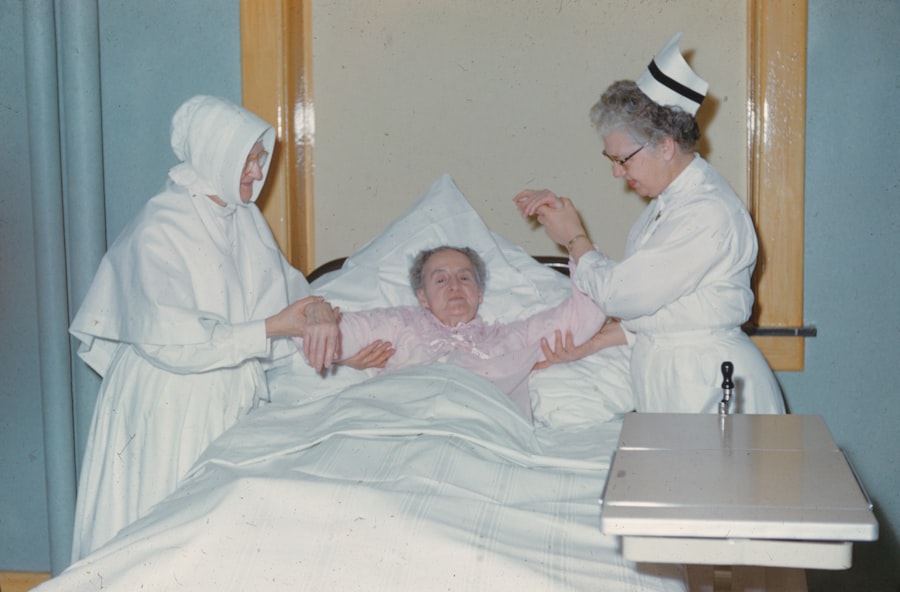
Having a multilingual caregiver offers numerous advantages for seniors. First of all, it facilitates daily communication. Seniors can express their needs, concerns, and desires in their native language, allowing them to feel more comfortable and secure.
This also enhances our ability to understand their specific needs and respond appropriately. Additionally, a multilingual caregiver can play a key role in the cognitive stimulation of seniors. By engaging in conversations in different languages, we can help maintain their language and cognitive skills.
This can also encourage richer social interaction, which is essential for the emotional well-being of seniors. Ultimately, being multilingual allows us to provide a more personalized service tailored to the unique needs of each senior.
The language skills needed for caregivers working with multilingual seniors
To work effectively with multilingual seniors, we must possess certain essential language skills. First, it is important to have a good command of the most commonly spoken languages by our patients. This includes not only the ability to speak these languages but also to understand the cultural nuances that accompany them.
Furthermore, we must be able to adapt our language according to the level of understanding of each senior. Sometimes, it may be necessary to use simplified vocabulary or to explain complex concepts in a more accessible way. Patience is also a key skill; it is crucial to give seniors the time they need to express themselves without feeling rushed or judged.
◆ ◆ ◆
Strategies to Overcome Language Barriers in Senior Care
To overcome language barriers in senior care, we can adopt several effective strategies. One of the most important is the use of technological tools such as translation apps or assistive communication devices. These tools can facilitate real-time communication and help clarify misunderstandings.
Furthermore, it is essential to encourage an environment where seniors feel free to express their language concerns. We can create spaces where they feel safe to ask questions or seek clarifications without fear of judgment. Finally, ongoing training in intercultural communication can also help us better understand and navigate the challenges related to language barriers.
The Positive Impact of Multilingual Communication on Seniors' Well-Being
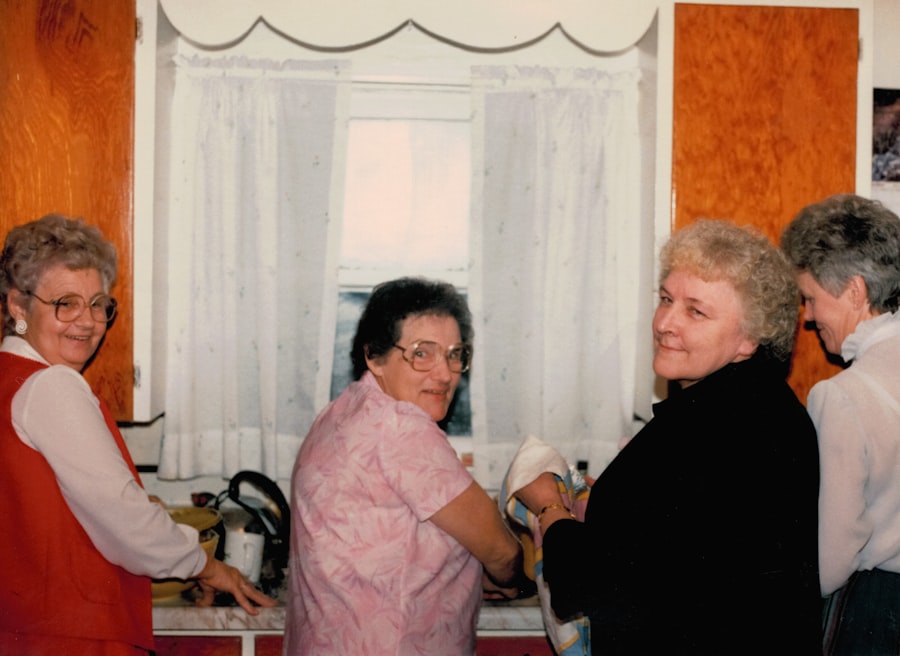
Multilingual communication has a significant impact on the well-being of seniors. When they can interact in their native language, they often feel more valued and respected. This contributes to enhancing their self-esteem and sense of belonging.
As caregivers, we have observed that this linguistic connection can also reduce anxiety and foster a more serene environment. Additionally, multilingual communication can stimulate seniors' social engagement. By allowing them to interact with us in their preferred language, we promote meaningful conversations that can enrich their daily lives.
This can also encourage interactions with other community members, thereby strengthening their social network and overall quality of life.
Tools and Resources Available to Facilitate Communication Between Caregivers and Multilingual Seniors
There are several tools and resources that can facilitate communication between us, caregivers, and multilingual seniors. Among these tools are mobile applications designed to assist with instant translation or language learning. These applications can be particularly useful in situations where quick communication is necessary.
Moreover, there are also educational resources such as online courses on intercultural and multilingual communication. These courses can help us develop our language skills while raising our awareness of cultural differences that may influence communication. By investing in these tools and resources, we can improve our ability to effectively serve our multilingual patients.
◆ ◆ ◆
The importance of cultural sensitivity in communication with polyglot seniors
Cultural sensitivity is a crucial aspect of communication with polyglot seniors. Each culture has its own norms and values that influence how individuals interact and communicate. As caregivers, it is essential that we are aware of these cultural differences in order to avoid misunderstandings and promote respectful communication.
We must also be attentive to cultural stereotypes that may influence our perception of polyglot seniors. By adopting an open and curious approach to their unique cultural experiences, we can establish a more authentic and meaningful relationship with them. This not only helps improve our communication but also strengthens the bond between us and our patients.
Training and professional development programs for caregivers in intercultural communication
To improve our skills in intercultural communication, there are several training and professional development programs available for us, caregivers. These programs are designed to help us better understand the challenges related to linguistic and cultural diversity in the field of senior care. These trainings may include practical workshops on effective communication with polyglot patients, as well as theoretical courses on cultural differences and their impacts on communication.
By participating in these programs, we can acquire valuable skills that will enhance our daily practice and strengthen our ability to provide care tailored to the diverse needs of our patients.
Innovative solutions to improve communication between caregivers and polyglot seniors
In a constantly evolving world, it is essential to explore innovative solutions to improve communication between us, caregivers, and polyglot seniors. For example, the use of technological tools such as augmented or virtual reality can offer immersive experiences that facilitate linguistic and cultural learning. Additionally, the development of specific applications for the senior care sector could also play a key role in improving communication.
These applications could include features such as interactive games to stimulate cognitive engagement while promoting language learning. By integrating these innovative solutions into our daily practice, we can transform our approach to caring for polyglot seniors.
◆ ◆ ◆
Tips for Building a Trusting Relationship Despite Language Barriers
Establishing a trusting relationship with our patients despite language barriers requires a thoughtful and empathetic approach. First of all, it is important to adopt an open and welcoming attitude towards our patients. We must show our willingness to learn their language and culture while respecting their individual needs.
Next, it is essential to actively listen to our patients when they express themselves, even if it takes time or requires extra effort to understand their words. Patience plays a key role in this process; by taking the necessary time to establish an authentic connection, we can create an environment where our patients feel safe to share their thoughts and emotions. In conclusion, communication is a fundamental element in the field of care for multilingual elderly people.
As caregivers, we have the responsibility to improve our linguistic and cultural skills in order to provide a service tailored to the diverse needs of our patients. Through ongoing training, the use of innovative tools, and an empathetic approach, we can overcome language barriers and establish meaningful relationships with our patients while promoting their overall well-being.
The article "Caregiver and Multilingual Senior: Language Barriers" addresses the challenges faced by multilingual seniors when interacting with their caregivers. A crucial aspect of this topic is the home care of seniors, which can be influenced by language barriers. To delve deeper into this subject, you can consult the article Key Points to Know About Home Care for Seniors, which offers valuable information on best practices to ensure the well-being of elderly people in their familiar environment.
Contact Us
Did this content help you? Support DYNSEO 💙
We are a small team of 14 people based in Paris. For 13 years, we have been creating free content to help families, speech therapists, care homes and healthcare professionals.
Your feedback is the only way we know if our work is useful. A Google review helps us reach other families, caregivers and therapists who need it.
One action, 30 seconds: leave us a Google review ⭐⭐⭐⭐⭐. It costs nothing, and it changes everything for us.