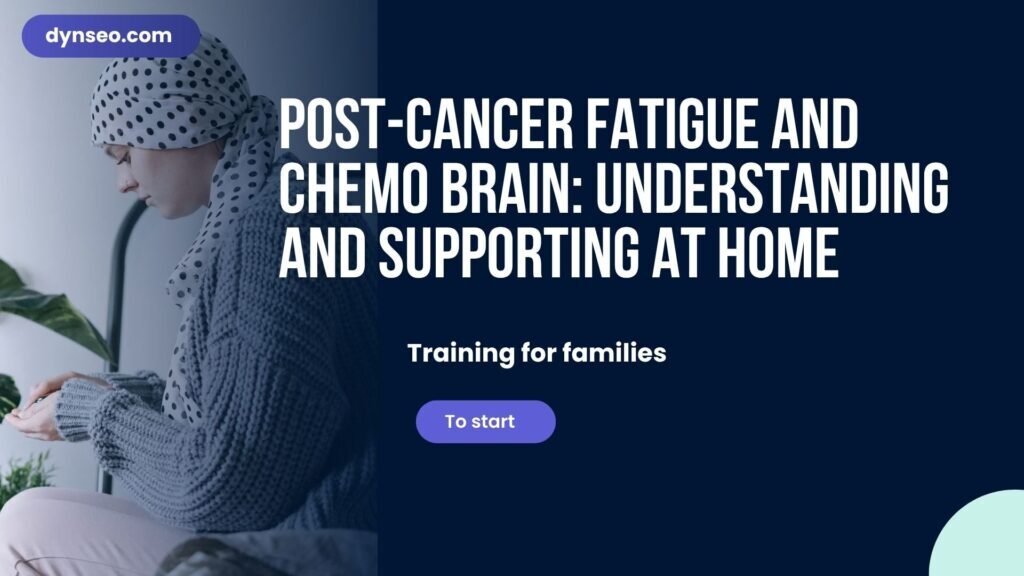
Cognitive rehabilitation is a process aimed at improving a person's cognitive functions after an illness or trauma. In the case of cancer patients, cognitive rehabilitation can be particularly important as cancer treatment can have detrimental effects on cognition. It is therefore essential to implement cognitive rehabilitation strategies to help these patients regain their cognitive abilities and improve their quality of life.
The Effects of Cancer on Cognition
Cancer and its treatments can have a considerable impact on the cognitive functions of patients. Brain tumors can directly affect areas of the brain involved in functions such as memory, attention, reasoning, and decision-making. Depending on the location of the tumor, certain abilities may be significantly impaired. However, it is not only brain tumors that influence cognition. Indeed, many cancer treatments, such as chemotherapy and radiotherapy, can also have adverse effects on cognitive function.Chemotherapy, for example, is often associated with the phenomenon known as "chemo-brain". This term refers to a set of cognitive symptoms, including difficulties in concentration, short-term memory problems, and attention disorders. These symptoms can be temporary or persistent and can disrupt patients' daily lives, affecting their ability to perform simple tasks such as reading, remembering appointments, or following conversations.Similarly, radiotherapy, especially when targeting the brain region, can cause long-term cognitive side effects, including memory impairment, difficulties in organization and planning, as well as problems with processing speed of information. These effects can complicate the management of cancer and other aspects of daily life, particularly for patients who already had good cognitive function before treatment.Common cognitive symptoms in cancer patients include memory difficulties, attention disorders, problem-solving issues, and difficulties in decision-making. These symptoms can affect patients' professional, social, and personal capabilities. For example, difficulties in remembering important tasks or making decisions can limit their independence and affect their quality of life, making their post-cancer rehabilitation even more complex.Types of Cognitive Rehabilitation Available
To improve the cognitive functions of cancer patients, several types of cognitive rehabilitation are available. These approaches can focus on training specific cognitive functions or on teaching compensatory strategies to help patients manage their cognitive deficits.- Rehabilitation of specific cognitive functions: Some approaches aim to directly target impaired cognitive functions. For example, memory exercises (such as memory games, repetition of information, or the use of mnemonic strategies) can help strengthen short-term memory. Other exercises may focus on attention, asking patients to perform tasks that require a high level of concentration, or on executive functions like planning and decision-making.
- Compensatory strategies: When certain cognitive functions are severely affected, rehabilitation specialists may propose compensatory strategies. For example, using planners, digital reminders, or applications to manage daily tasks can help patients overcome their memory difficulties and better organize their lives.
The Benefits of Online Cognitive Rehabilitation
Online cognitive rehabilitation is an innovative approach that offers several advantages for cancer patients, including:- Increased accessibility and flexibility: One of the main advantages of online cognitive rehabilitation is that it allows patients to follow programs from home. This reduces the need for frequent travel to a rehabilitation center, which is particularly beneficial for patients with reduced mobility due to cancer-related fatigue or treatments.
- Self-paced progress: Online cognitive rehabilitation programs offer great flexibility by allowing patients to work at their own pace, according to their needs and schedule. Patients can choose when and where to do their exercises, enabling them to integrate these sessions into their daily lives in a less burdensome way.
- Affordable cost: Compared to face-to-face cognitive rehabilitation sessions, online programs are often cheaper. This makes them accessible to a larger number of patients who may struggle to finance individual sessions with a professional. Reduced costs also allow patients to extend their rehabilitation over a longer period.
- Convenience and autonomy: Patients can engage in online cognitive rehabilitation independently while receiving clear instructions and feedback tailored to their progress. This allows them to remain engaged in their rehabilitation without the need for constant physical presence from a professional.
Online Resources for Post-Cancer Cognitive Rehabilitation
Many online resources are now available to support cognitive rehabilitation for patients after cancer. These resources include online cognitive exercise programs as well as information websites and support forums.- Online cognitive exercise programs: Some programs are specifically designed for cancer patients. These programs include a variety of exercises that target cognitive functions affected by cancer and its treatments, such as memory games, attention exercises, and planning tasks. These digital tools are often interactive, fun, and tailored to each patient's level.
- Information websites: Many websites provide detailed information on post-cancer cognitive rehabilitation, explaining the different types of available approaches and offering practical advice for better managing cognitive disorders. These sites may also provide lists of resources, scientific articles, and patient testimonials.
- Forums and support groups: Patients can also find valuable support in online forums or cancer-specific support groups. These spaces allow for the exchange of experiences, asking questions to other patients, and obtaining expert advice on managing the cognitive effects of cancer.
Dans cet article
Online Communities for Cancer Patients
 Joining an online community can be extremely beneficial for cancer patients. Online communities provide a safe space where patients can share their experiences, ask questions, and receive support from people who understand what they are going through.There are different types of online communities for cancer patients, including discussion forums, support groups, and experience-sharing groups. Each type of community offers its own advantages and can be tailored to the specific needs of a patient.
Discussion Forums for Cancer Patients
Discussion forums are a popular way for cancer patients to connect with others in similar situations. Forums allow patients to ask questions, get advice, and share their experiences with other members.The benefits of discussion forums include the ability to connect with people who understand what one is going through, the opportunity to get answers to questions, and the chance to share one's own experiences to help others.Online Support Groups for Cancer Patients
Online support groups provide a safe space where cancer patients can share their emotions, concerns, and experiences with others who understand what they are going through. Support groups can be led by healthcare professionals or peers and offer emotional and practical support to patients.The benefits of online support groups include the ability to connect with others who are experiencing a similar situation, the opportunity to receive emotional and practical support, and the chance to learn coping strategies and stress management techniques.◆ ◆ ◆
Mobile Applications for Post-Cancer Cognitive Rehabilitation
Mobile applications are a practical tool for post-cancer cognitive rehabilitation. Mobile applications offer increased flexibility and accessibility, as they can be used anytime and anywhere.The benefits of mobile applications for post-cancer cognitive rehabilitation include the ability to track targeted exercises and activities to improve cognitive functions, the ability to monitor progress over time, and the ability to receive reminders and encouragement to stay motivated.Tips for Finding the Best Online Resources for Post-Cancer Cognitive Rehabilitation
To find the best online resources for post-cancer cognitive rehabilitation, it is important to conduct thorough research. It is recommended to consult multiple sources of information, read user reviews and testimonials, and seek the advice of healthcare professionals.In conclusion, post-cancer cognitive rehabilitation is an important process to help patients regain their cognitive abilities and improve their quality of life. Online resources, such as online cognitive rehabilitation programs, information websites, online communities, discussion forums, support groups, and mobile applications, offer advantages such as accessibility, flexibility, and emotional and practical support. It is essential for cancer patients to find the best online resources to meet their specific needs and assist them in their cognitive rehabilitation process.Did this content help you? Support DYNSEO 💙
We are a small team of 14 people based in Paris. For 13 years, we have been creating free content to help families, speech therapists, care homes and healthcare professionals.
Your feedback is the only way we know if our work is useful. A Google review helps us reach other families, caregivers and therapists who need it.
One action, 30 seconds: leave us a Google review ⭐⭐⭐⭐⭐. It costs nothing, and it changes everything for us.