Depression: Symptoms, Causes, and Treatments
300 million people worldwide are affected by depression. Yet it remains one of the most underdiagnosed mental illnesses — especially among the elderly where it sometimes mimics dementia. This comprehensive guide provides an overview.
Dans cet article
La formation associée
Les ressources citées
 Test anxiété test
 Test mémoire
1. Symptoms of Depression — DSM-5 Criteria
The diagnosis of major depression according to the DSM-5 requires 5 or more symptoms for at least 2 consecutive weeks, with one of the two cardinal symptoms being mandatory.
⚠️ The 2 Cardinal Symptoms (one of the two is mandatory)
1. Persistent Depressive Mood — deep sadness, emptiness, hopelessness, present almost every day, nearly all day. In children and adolescents, it may manifest as irritability rather than sadness.
2. Anhedonia — marked loss of interest or pleasure in almost all activities. This is the most characteristic symptom of depression: even things that used to bring pleasure no longer generate anything.
✔ Other DSM-5 Symptoms (at least 3 additional for diagnosis)
- Fatigue or loss of energy almost every day — disproportionate fatigue, not relieved by rest
- Cognitive Disorders — difficulty concentrating, thinking clearly, making decisions, impaired memory
- Feelings of worthlessness or excessive guilt — intense self-criticism, feeling like a burden
- Sleep Disturbances — insomnia (especially trouble falling asleep or early waking) or hypersomnia
- Changes in appetite or weight — loss or gain of more than 5% of body weight in one month
- Agitation or psychomotor retardation — observable by others, not just felt subjectively
- Thoughts of death or suicidal ideation — from fleeting thoughts to detailed plans
2. Depression and Cognition: The Unknown Link
A particularly important aspect among the elderly: depression can cause significant cognitive disorders — memory, concentration, processing speed — that sometimes mimic the picture of early dementia. This is referred to as "depressive pseudodementia." The crucial difference: these disorders are generally reversible with depression treatment, unlike degenerative dementias.
💡 Depression or Dementia? Distinctive Signs
In favor of depression: rapid onset of symptoms, actively expressed cognitive complaint ("I can't remember anything anymore"), history of depression, expressed low mood, response to antidepressants.
In favor of dementia: insidious onset over months/years, the person minimizes their forgetfulness, spatial-temporal disorientation, language difficulties. Memory tests and neuropsychological assessments can clarify.
3. Causes of Depression
Neurochemistry and Genetics
Depression involves dysregulation of the serotonergic and noradrenergic systems, a reduction in hippocampal neurogenesis, and hyperactivity of the stress axis (HPA axis). Genetics contributes to 40-50% of the risk — but genes do not determine depression; they influence vulnerability.
Rumination and Cognitive Distortions
Rumination (revisiting negative thoughts), cognitive distortions (catastrophizing, all-or-nothing thinking, personalization), and negative schemas about oneself, the world, and the future (Beck's "cognitive triad") perpetuate and worsen depression. These are precisely the targets of cognitive-behavioral therapy.
Isolation, Chronic Stress, and Trauma
Social isolation, grief, unresolved trauma, chronic work-related stress, and severe physical illnesses are major triggering factors — especially among the elderly (loss of a spouse, entering a facility, decreased autonomy).
4. Treatments
| Treatment | Mechanism | Efficacy |
|---|---|---|
| SSRIs (fluoxetine, sertraline) | Increase available serotonin | 60-70% response, delay 2-4 weeks |
| CBT (Cognitive Behavioral Therapy) | Modify dysfunctional thoughts and behaviors | As effective as SSRIs, more lasting effects |
| Combination of SSRIs + CBT | Biological + psychological synergy | Better efficacy, especially in severe depression |
| Physical Exercise | Increase BDNF and natural serotonin | Equivalent to SSRIs in mild-moderate depression |
| Light Therapy | Circadian regulation, melatonin | Very effective in seasonal depression |
💭 DYNSEO Resources — Depression
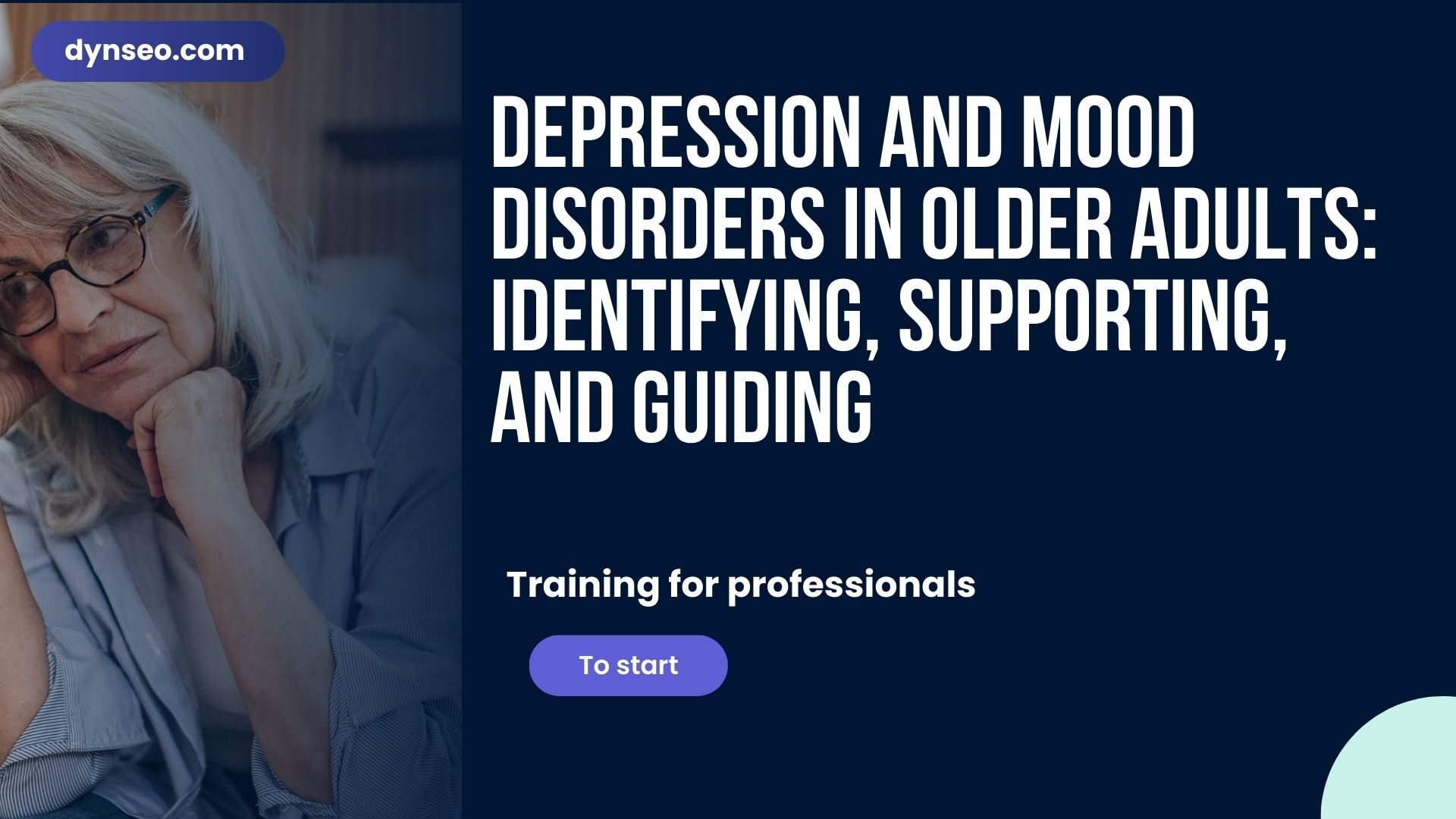
• Training "Depression in Seniors" — Professionals
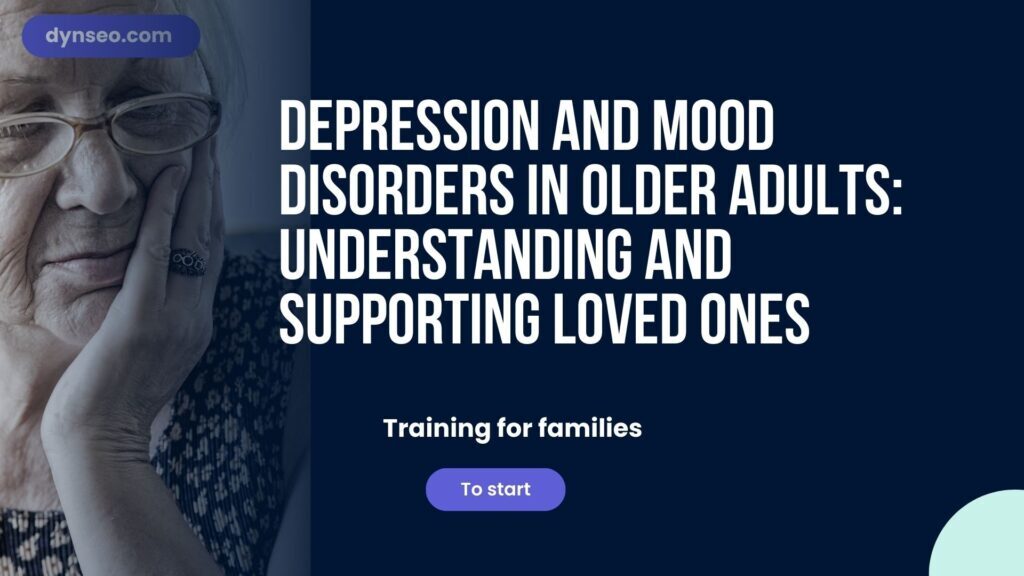
• Training "Depression in Seniors" — Families
• DYNSEO Stress & Anxiety Test — free screening
• Memory Test — differentiate pseudodementia and true dementia
FAQ
What are the symptoms of depression according to the DSM-5?
5+ symptoms over 2 weeks with mandatory depressive mood and/or anhedonia. Others: fatigue, cognitive disorders, guilt, sleep disturbances, appetite changes, agitation or slowing, suicidal thoughts.
Difference between depression and normal sadness?
Sadness is reactive and temporary. Depression is persistent (2+ weeks), pervasive, accompanied by anhedonia and major functional impact.
Can depression cause memory disorders?
Yes — depressive pseudodementia can mimic Alzheimer's. These disorders are generally reversible with depression treatment.
What treatments are available for depression?
SSRIs and/or CBT as first-line treatment, their combination for severe forms. Physical exercise is as effective as SSRIs in mild-moderate depression.
Is depression common among seniors?
15-20% of those aged 65+, often undiagnosed. Often manifests through somatic complaints and irritability rather than verbalized sadness.
Conclusion: Depression is Treatable
60 to 80% of depressions respond well to treatment — provided they are correctly diagnosed. The first obstacle remains denial or normalization of symptoms ("it's just aging," "everyone has the blues"). DYNSEO training helps professionals and families identify, support, and guide those suffering from depression.
Did this content help you? Support DYNSEO 💙
We are a small team of 14 people based in Paris. For 13 years, we have been creating free content to help families, speech therapists, care homes and healthcare professionals.
Your feedback is the only way we know if our work is useful. A Google review helps us reach other families, caregivers and therapists who need it.
One action, 30 seconds: leave us a Google review ⭐⭐⭐⭐⭐. It costs nothing, and it changes everything for us.