About Course
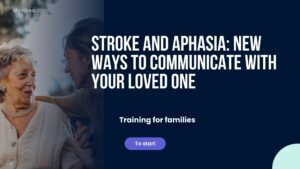
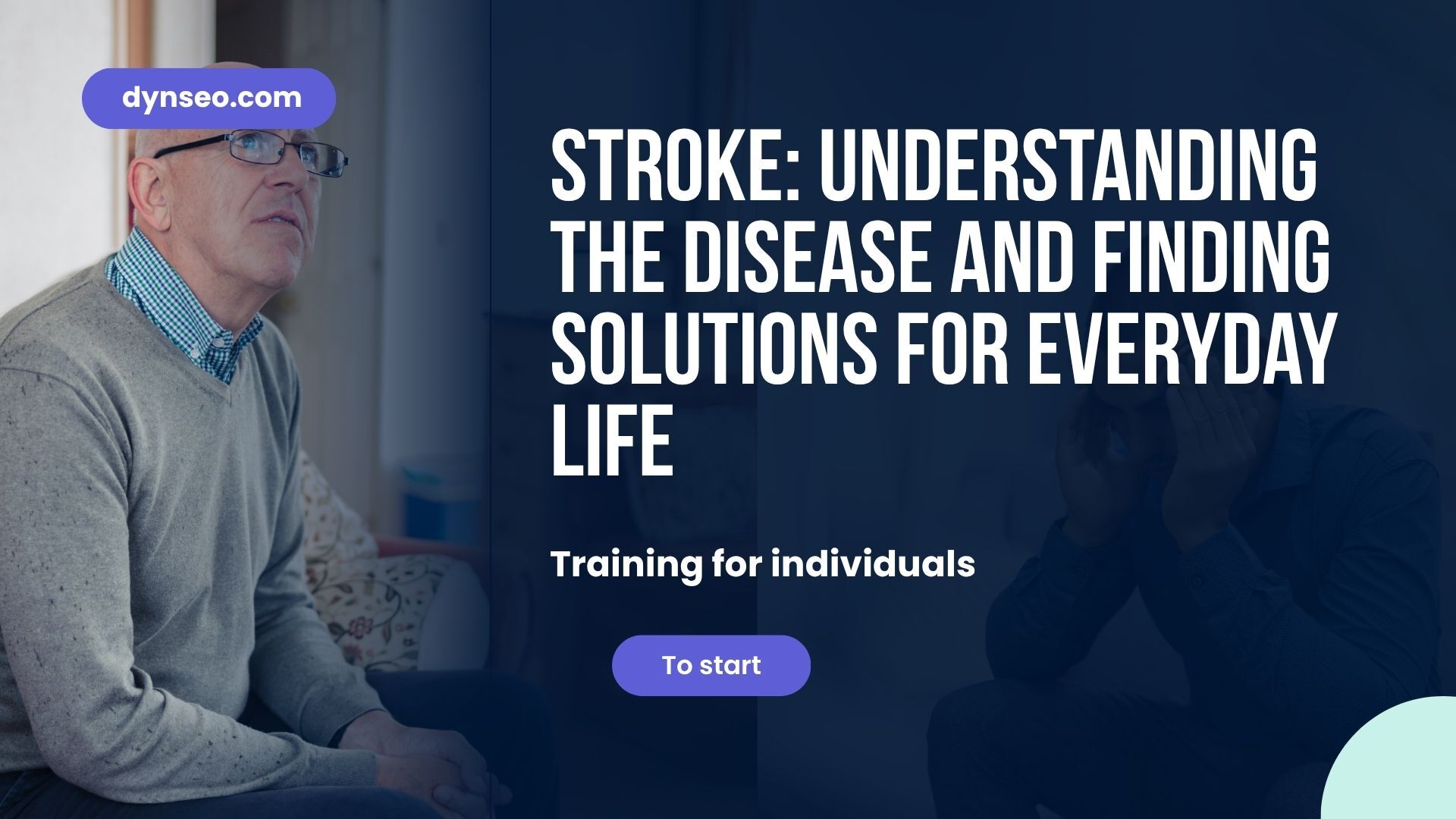
Stroke: understanding the disease and finding solutions for everyday life
Understand stroke, act fast, support recovery
Practical guidelines for safety, rehabilitation, and daily living
Tools to stimulate cognition and maintain social ties
Overview
This training course gives you simple guidelines for understanding stroke (ischemic or hemorrhagic), its causes and after-effects, recognizing warning signs and taking immediate action. You’ll find practical tips on how to organize your day-to-day life, and tools to stimulate recovery, safety and serenity at home.
Training objectives
- Differentiate between types of stroke (ischemic vs. hemorrhagic), risk factors and prevention levers.
- Identify warning signs (Face-Arm-Speech rule / VBP, other signs, TIA) and call 15 immediately.
- Identify common sequelae: motor skills (hemiplegia), language (aphasia), cognition/memory, vision, sensitivity, mood.
- Secure the home: grab bars, non-slip mats, lighting/lights, clear corridors, accessible objects.
- Structure daily rehabilitation: simple, regular exercises (motor skills, coordination, balance, walking) with gentle progression.
- Stimulate cognition and language: memory games, reading, music, simple words and visual/digital aids.
- Organize your day: split tasks, alternate effort and rest, prioritize and delegate.
- Maintaining a social life: short, regular outings, patient associations/groups, combating isolation.
- Communicate positively & support the caregiver: short messages, gestures and looks, encouragement; recognize each person’s emotions and preserve time for yourself.
- Tool support with DYNSEO – CLINT (30+ games for memory, attention, logic) and monitor progress to adjust.
Key takeaways
A 100% practical course to take action now: you’ll leave with a clear plan, effective routines and concrete tools to secure, stimulate and strengthen the bond on a daily basis – for the benefit of the person concerned and the whole family.
Course Content
Module 1 – Understanding Stroke
-
Lesson 1 – What is a stroke and its causes
02:21 -
Lesson 2 – Common Sequelae: Motor Skills, Language, Memory
02:21 -
Lesson 3 – The First Signs and the Urgency to Act
02:21
Module 2 – Daily Rehabilitation
Module 3 – The Role of the Surrounding Environment
Module 4 – DYNSEO to support a person after a stroke
Module 5 – Final Quiz
Student Ratings & Reviews

No Review Yet