Teacher case study — Positive behavior contracts: ready-to-copy templates
The positive behavior contract is one of the best-documented classroom management tools by research. This practical guide provides you with the theoretical foundations, 4 templates adapted by school level, and all the keys to implement them effectively starting tomorrow.
Dans cet article
La formation associée
Les ressources citées
 Timer Visuel
 Planificateur de Devoirs
 Tableau de motivation - Outil Formation DYNSEO
 Checklist Cartable
 Test concentration
 Test fonctions executives
Every teacher knows this situation: a student whose disruptive behaviors resist all usual strategies — reminders, table moves, calls to parents, progressive sanctions. The punitive escalation ultimately harms the climate of the entire class without solving the problem. The positive behavior contract proposes a break from this logic: instead of focusing on what the student must not do, it precisely defines what they can and want to do, by co-constructing with them a clear commitment, achievable goals, and motivating reinforcers. This comprehensive educational guide supports you from theory to practice, with directly usable templates in class, implementation advice, and adaptations for neurodivergent students.
1. The positive behavior contract: theoretical foundations and evidence of effectiveness
1.1 Definition and scientific foundations
A positive behavior contract (PBC) is a formal agreement, negotiated and signed between a student (and often their family) and their teacher or educational team. It defines expected target behaviors, measurable and progressive goals, a system of positive reinforcement conditional on achieving the goals, and a clear procedure for review and evaluation. It is therefore neither a punishment, nor a threat, nor a simple list of rules — it is a true tool for mutual engagement.
The PBC is grounded in the theories of operant conditioning (Skinner, 1938) and Applied Behavior Analysis (ABA), which demonstrate the effectiveness of positive reinforcement in sustainably modifying behaviors. Unlike negative reinforcement (removal of a constraint) or punishment, positive reinforcement — providing a pleasant consequence after a desired behavior — is the most reliable and respectful strategy for producing lasting behavioral change. More recent work in positive psychology (Seligman, Csikszentmihalyi) and Self-Determination Theory (Deci & Ryan) adds a crucial dimension: perceived autonomy and the active participation of the student in defining their goals are major predictors of the success of the contract.
of students with ADHD show behavioral improvement with a well-conducted PBC (meta-analysis, 2019)
of disruptive behaviors in class on average after 4 weeks of PBC (Owens et al., 2019)
more effective than sanctions alone for maintaining changes at 3 months (Kazdin, 2018)
of teachers report an improvement in the classroom climate when using structured positive reinforcement
1.2 Why punitive approaches alone fail
The neuroscience of adolescence and childhood provides valuable insight into the limitations of punitive approaches. The prefrontal cortex — the seat of impulse control, planning, and emotional regulation — is still developing until the age of 25. In children and adolescents, and even more so in neuroatypical students (ADHD, autism, DYS disorders), this development is slowed or different. Asking a student to "control themselves" in the face of punishment often means asking them to mobilize a capacity that is not yet fully available neurologically.
Punishment also creates negative emotions — shame, anger, feelings of injustice — that activate the sympathetic nervous system and reduce the cognitive capacities available for learning. A repeatedly punished student is often in a state of heightened alertness and resistance, not in a state of learning and cooperation. Repeated unsuccessful punitive approaches also generate a phenomenon of learned helplessness (Seligman): the student gradually internalizes that they cannot change, that their efforts have no effect on the consequences, and they stop trying.
🔬 What research says: The personal independence / care allowance published a literature review in 2022 confirming that positive and proactive disciplinary practices — including behavior contracts — significantly reduce disruptive behaviors, improve school engagement, and reduce behavioral inequalities between neurotypical and neuroatypical students, with no negative effect on the rest of the class.
2. The five ingredients of an effective behavior contract
2.1 What makes the difference between a successful contract and a failed one
Many teachers have attempted behavior contracts that did not produce the expected effects. The failure rarely comes from the principle — it comes from its implementation. Five ingredients are essential for the effectiveness of a behavior contract: co-construction (the student actively participates in drafting), specificity (target behaviors are precise and observable), progressivity (goals are achievable from the start), relevance of reinforcers (rewards must be genuinely motivating for that specific student), and regularity of follow-up (quick and frequent feedback is essential).
3. Four contract models ready to copy
3.1 Before choosing your model: quick selection table
| Model | Target level | Recommended duration | Tracking system | Ideal for |
|---|---|---|---|---|
| Sun Model | Preschool / Grade 1 | 1–2 weeks, renewable | Pictograms / suns | Basic behaviors, 1 goal at a time |
| Stars Model | Grade 2 / Grade 3 / Grade 4 | 2–4 weeks | Stars + dashboard | 2 to 3 behaviors, short-term rewards |
| Points Model | Grade 5 / Middle School | 4–6 weeks | Cumulative points system | ADHD profiles, unmotivated students, multiple behaviors |
| Autonomy Model | Middle School / High School | 6–8 weeks | Self-assessment + teacher validation | Developing metacognition and self-regulation |
3.2 Model 1 — The Sun Contract (Preschool / Grade 1)
My Sun ContractTo be completed together with the student · Preschool / Grade 1
💡 For preschool: Use pictograms rather than text for success criteria. The student should be able to read their contract independently. Stick a photo of the reward on the contract — the visual representation significantly enhances motivation. The DYNSEO Visual Timer is an ideal tool to help young children visualize the duration of an expected behavior (staying seated during the hourglass time).
3.3 Model 2 — The Stars Contract (Grade 2 / Grade 3 / Grade 4)
My Stars ContractFor students from Grade 2 to Grade 4 · Duration: 2 to 4 weeks
Goal 2: I commit to ___________________________________
20 ⭐ = ___________________________________
30 ⭐ (final goal) = ___________________________________
3.4 Model 3 — The Points Contract (5th Grade / Middle School)
My Behavior Contract — Points SystemFor 5th grade and middle school students · Duration: 4 to 6 weeks
Behavior 2: ___________________________ → value: ___ points
Behavior 3: ___________________________ → value: ___ points
___ points = ___________________________________
___ points (final goal) = ___________________________________
3.5 Model 4 — The Autonomy Contract (Middle School / High School)
The Autonomy Contract is designed for students whose goal goes beyond immediate behavior — it aims to develop their ability to self-assess, identify their own triggers, and implement their own regulation strategies. This model includes a daily self-assessment grid that the student fills out independently before a quick validation by the teacher.
My Autonomy ContractMiddle School / High School · Developing self-regulation
Strategy 2: ___________________________________
4. Implementation guide in 7 steps
4.1 From the first interview to long-term follow-up
The quality of implementation is as important as the quality of the chosen model. An excellent contract poorly implemented will yield poor results; a simple model perfectly executed can transform a situation in a few weeks. The following seven steps cover the entire process, from the first interview with the student to the formal closure of the contract.
- The preparation interview — Before proposing a contract, discuss privately with the student to understand their perspective on their difficulties. What situations are the most challenging for them? What helps them? This active listening step is fundamental for the co-construction that follows. Duration: 10 to 20 minutes, outside of class hours.
- The functional analysis of behavior (simplified) — Identify the conditions under which the target behavior occurs: when (time of day, type of activity), where (classroom, hallway, recess), with whom, and especially what function this behavior serves for the student (avoiding a difficult task? need for attention? response to sensory overload?). This analysis guides the choice of target behaviors and reinforcers.
- The co-writing of the contract — Together with the student, draft the contract. The student must be able to explain in their own words what they commit to doing and why it is important to them. Ensure that the goals do not exceed 3 behaviors at the start and that the starting level is achievable from the first week (expected success rate: ≥ 70 %).
- Parental involvement — For primary and middle school students, parental buy-in is an important predictive factor for success. Present the contract during a quick exchange (5 minutes at the end of the day, or via message) so they understand the positive logic and can reinforce progress at home. Avoid delegating follow-up to them — the teacher remains the primary responsible for the contract.
- Setting up the tracking system — Choose a tracking tool suitable for the age and abilities of the student: discreetly displayed star chart on the desk, dedicated communication notebook, tablet app, or daily tracking sheet. The tracking must be visible to the student (they should see their progress), discreet for other students (avoid stigma), and not time-consuming for the teacher (max 2 minutes per day).
- Regular reviews — A formal review of 5 to 10 minutes with the student each week is essential. This is not a judgment — it is a moment of shared reflection: what worked well? What was difficult? Should a goal or reinforcer be adjusted? These reviews strengthen the alliance with the student and allow for real-time adjustments to the contract before it loses its motivational value.
- Formal closure and transition — When the goals are achieved consistently, the contract is formally closed with a moment of recognition of the progress made. This closure is not an end — it is a transition to a higher level of autonomy. The student can propose the next step themselves, which reinforces their metacognition and confidence.
5. The most common mistakes — and how to avoid them
Objectives too ambitious from the start
“Never interrupt again” — the student fails on the first day, loses confidence, and gives up.
Start from the student's actual level
If the student interrupts an average of 12 times per hour, the starting goal is “interrupt less than 8 times” — a 30% reduction that is achievable.
Rewards imposed by the adult
“If you behave, you will get a good point.” — good points have no value for this particular student.
Reward catalog chosen with the student
During the interview, ask: “If you had worked well this week, what would really please you?” Start from there.
Removing points/stars in case of failure
Using points as punishment destroys the logic of positive reinforcement and generates frustration and resistance.
Never remove an earned point
Points earned are permanently acquired. In case of problematic behavior, the consequence is separate from the contract system.
Forgetting weekly assessments
Without regular review, the contract loses its motivational value in two weeks. The student perceives it as a forgotten tool.
Set assessments in the agenda from the start
Plan weekly assessments for the next 4 to 6 weeks from the signing of the contract. Treat this as an unmovable appointment.
6. Adapt contracts for neuroatypical students
6.1 ADHD, DYS, ASD: specific adaptations for each profile
Behavior contracts are particularly effective for neuroatypical students — but their effectiveness depends on precise adaptations that take into account the neurological profile of each student. A contract designed for a neurotypical student applied without modification to a severe ADHD student can even worsen the situation by setting goals incompatible with their current self-regulation abilities. Knowing the specifics of each profile is therefore essential.
⚡ Student with ADHD
- Very frequent reinforcement (every 20-30 minutes)
- Ultra-short objectives (1 per session, not per day)
- Visual timer to materialize the duration of the effort
- Immediate rewards rather than delayed
- Variation of reinforcers to avoid saturation
- Contract visible on the desk during activities
📚 Student with DYS disorders
- Avoid objectives related to written production or reading
- Use pictograms rather than text in the contract
- Target behaviors independent of DYS difficulties
- Value the adaptation strategies already in place
- Involve the speech therapist in defining the objectives
🧩 Student with ASD
- Hyper-specific and unambiguous objectives (no gray area)
- Systematic visual supports in the contract
- Absolute predictability of the system's functioning
- Sensorial reinforcers if relevant (solitary play time…)
- Close collaboration with the AESH and the family
- Transitions and changes in objectives announced in advance
😰 Anxious or inhibited student
- Start with an objective that is already almost achieved (guaranteed success)
- Strictly confidential contract, never displayed in class
- Emphasize kindness: failure is not a punishment
- Integrate well-being objectives, not just behavioral ones
- Allow the student to choose the follow-up format (written, oral, drawing)
6.2 The role of the Homework Planner and the Motivation Board
For students whose target behaviors relate to organization, homework management, or school motivation in general, the behavior contract becomes significantly more effective when complemented by visual structuring tools. The DYNSEO Weekly Homework Planner provides the student with a clear view of their work commitments for the week — which reduces anticipatory anxiety and helps plan efforts realistically. It can be directly integrated into the contract as a follow-up tool: “this week, I fill in my planner every evening” becomes a concrete and verifiable behavioral objective.
The DYNSEO Motivation Board is an excellent complement to the reinforcement system of the contract: it visually represents the student's progress towards their rewards in an engaging way, makes progress tangible and intermediate, and maintains motivational momentum throughout the duration of the contract — particularly important for students with ADHD whose motivation quickly erodes in the face of long-term goals.
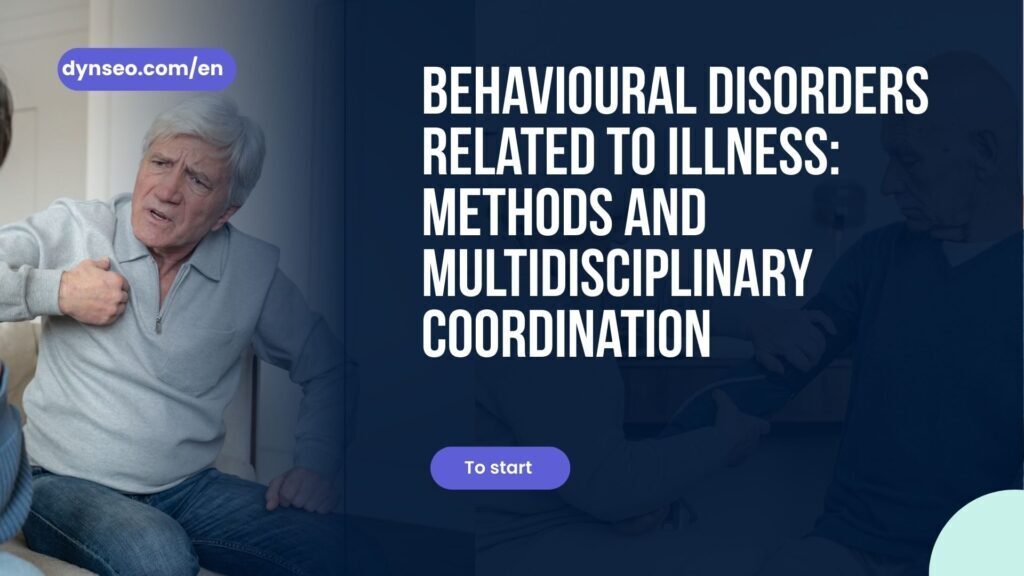
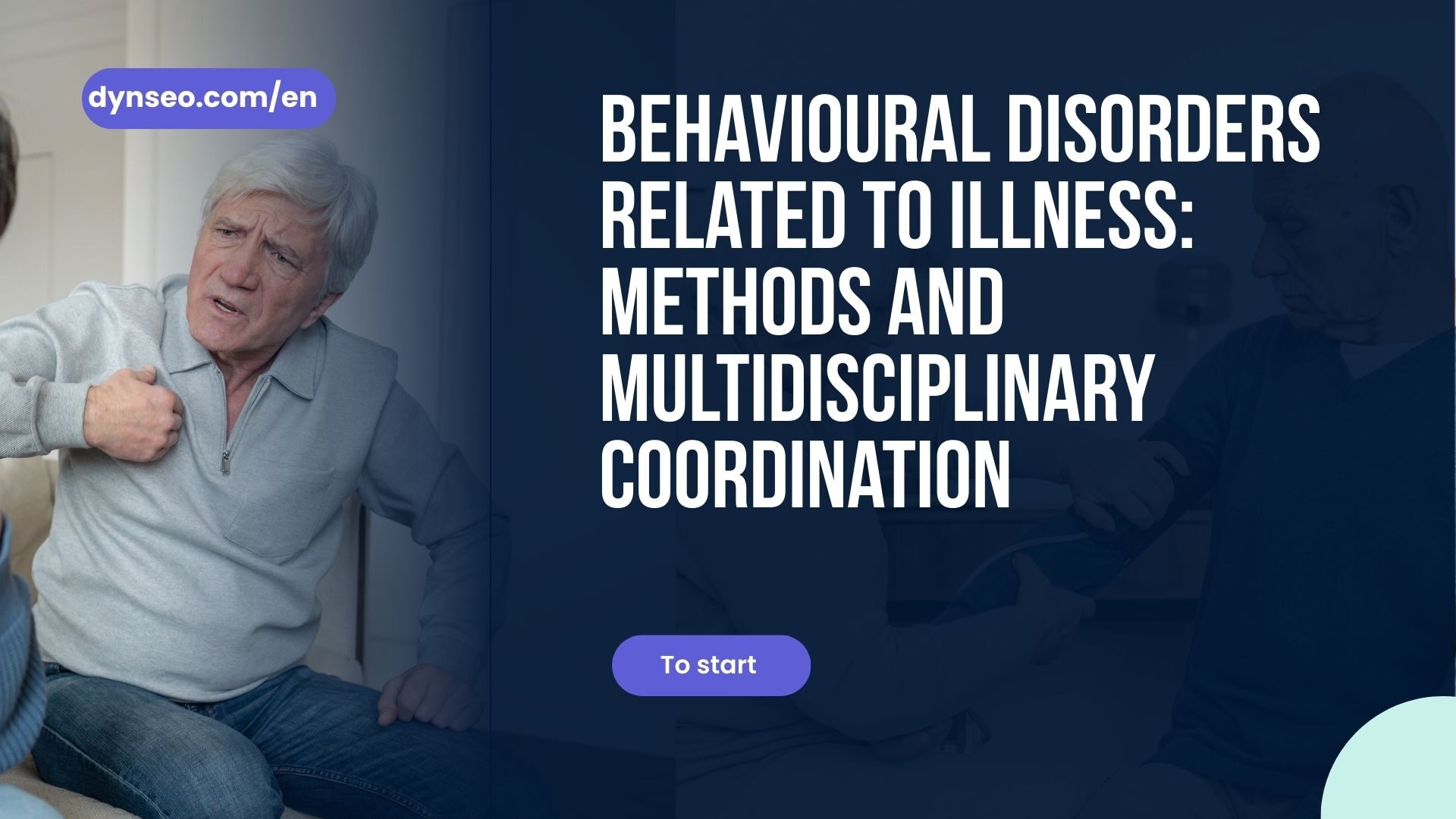
Behavioral disorders related to illness — Methods and multidisciplinary coordination
For teachers and education professionals who wish to go further in understanding and supporting difficult behaviors in the classroom — particularly in students with neurological, developmental, or neuroatypical disorders — this Qualiopi certified training offers a multidisciplinary approach validated by research. It covers the neurobiological foundations of behavioral disorders, positive intervention methods, assessment tools, and coordination with families and specialists.
Discover the training →7. School gamification and DYNSEO tools to enhance the impact of contracts
7.1 Gamification: a systemic reinforcer for the whole class
If the behavior contract acts at the individual level, school gamification can create a framework for positive reinforcement at the level of the entire class — the two approaches complement each other very effectively. A well-designed gamification system transforms the classroom into an environment where cooperation, engagement, and prosocial behaviors are valued for all students, reducing the stigmatizing pressure that can weigh on the student who is subject to an individual contract.
The DYNSEO School Gamification System offers a turnkey framework to introduce game elements into classroom management: skill badges, cooperative missions, weekly challenges, and a collective dashboard. This system can be implemented alongside individual contracts to create a classroom environment where positive behaviors are the valued norm — and not the rewarded exception.
7.2 The Backpack Checklist: preventing disorganization-related behaviors
A significant proportion of disruptive behaviors in class originate from disorganization — the student who does not have their belongings, who searches for their notebook for 5 minutes, who did not do their homework because they could not remember the instructions. These behaviors generate frustration for the teacher and shame for the student, creating a negative spiral that the behavior contract alone cannot resolve if organizational causes are not addressed.
The DYNSEO Backpack Checklist is a simple and very effective tool: a visual list of necessary items for each day of the week, to be checked off in the evening before packing the bag. Integrated as a goal of the contract — “I check my checklist every evening” — it transforms a one-time behavior into an automated routine, significantly reducing forgetfulness and its behavioral consequences in class.
DYNSEO practical tools for positive classroom management
📅 Weekly homework planner
Structured weekly view to organize homework. Ideal as a contract goal or as an independent tracking tool.
Download →🎮 School gamification system
Comprehensive gamification framework for the entire class: badges, missions, collective dashboard — an ideal complement to individual contracts.
Download →🎒 Backpack checklist
Daily visual list of items to take. Transforms chronic forgetfulness into a preventive routine in just a few weeks.
Download →🏆 Motivation chart
Attractive visualization of progress towards rewards. Maintains engagement over time, particularly useful for ADHD profiles.
Download →⏱️ Visual Timer
Visualization of passing time, essential for students with ADHD or difficulties in time perception. Reduces restlessness during work times.
Download →→ See all DYNSEO educational tools
DYNSEO Applications for cognitive stimulation of students
🧒 COCO — Children 5–10 years
Fun cognitive stimulation games suitable for children aged 5 to 10. Attention, memory, and executive functions — outside and in addition to the classroom.
Learn more →🧠 CLINT — Teens & adults
Cognitive remediation application for teenagers and adults. Useful in supporting middle/high school students with attention difficulties.
Learn more →💬 MY DICTIONARY — Communication
Alternative and augmented communication application for non-verbal students or those with severe expression difficulties (autism, dysphasia).
Learn more →🤖 DYNSEO AI Coach
An intelligent support to guide teachers and families in choosing tools and strategies suited to the student's profile.
Learn more →DYNSEO Cognitive Tests to better understand the student's profile
→ Access all DYNSEO cognitive tests
DYNSEO Training from the catalog
→ See the complete DYNSEO training catalog
🎮 Adopt positive reinforcement in your classroom now
Download DYNSEO tools — Planner, Gamification, Checklist, Motivation Board, Visual Timer — and discover our Qualiopi certified training for teachers and education professionals. Directly operational resources to transform your classroom management.
❓ FAQ — Positive behavior contracts in class
1. How many students can we support simultaneously with behavior contracts?
In practice, managing more than 2 to 3 individual contracts simultaneously becomes difficult for a teacher alone, in terms of daily follow-up and weekly assessments. The solution for classes with multiple students with behavioral needs is often to combine an individual contract for the student with the most significant needs, and a collective gamification system for the entire class. For students supported by an AESH, they can take on part of the daily follow-up of the contract.
2. What should we do if the student refuses to sign or participate in the co-construction?
The refusal is often a signal that the student has had negative experiences with similar approaches (contract presented as a punishment), that they do not believe in their own ability to change, or that they do not trust the goodwill of the adult proposing the contract. The first step is not to force — simply propose to "work together on something that could help you" without using the word contract. Start by identifying with them what is difficult in their days. A refused contract is not a failure; it is information about the relational work to be done first.
3. Will the other students not perceive the favoritism as unfair?
This is one of the most common concerns of teachers, and it is legitimate. The answer lies in how the contract is presented and in the class culture developed by the teacher. If the class is accustomed to the idea that "fair treatment does not mean identical treatment" — that everyone receives what they need to succeed — individual contracts are generally well accepted. Discretion in follow-up (avoiding ostentatiously assigning points) and a culture of positive reinforcement for the whole class significantly reduce perceptions of unfairness.
4. How long does it take to see results?
The first behavioral improvements generally manifest within the first or second week, provided that the contract is well calibrated (achievable goals, relevant reinforcers). More stable changes that generalize to other contexts usually take 4 to 8 weeks. The key is not to modify the goals too quickly if progress seems slow — stabilization takes time. On the other hand, if after two weeks the student is not achieving their goals more than 40% of the time, it is a signal that the contract is too ambitious and needs to be revised downwards.
5. Can we use a behavior contract without parental consent?
Technically, a behavior contract in class is a pedagogical modality that falls under the teacher's freedom and does not necessarily require parental consent. In practice, however, informing parents — without necessarily asking for their permission — significantly improves results as they can reinforce target behaviors at home. For students under a PPS (Personalized School Project) or a PAP (Personalized Support Plan), the behavior contract can be formally integrated into the accompanying document.
6. How to manage very serious behavior (physical violence) within the framework of a contract?
Behaviors that pose a risk to the safety of students or the teacher must be addressed outside the framework of the behavior contract alone. They require the intervention of the management team, the school psychologist, and if necessary, the medico-social team. The behavior contract can be a complementary tool in the overall strategy — by working on precursor behaviors and alternatives — but it does not replace appropriate multidisciplinary care for high-risk behaviors.
7. Are DYNSEO tools (Visual Timer, Motivation Board, etc.) available for free download?
The educational tools available on the our-tools page of DYNSEO are accessible online directly from the site. Each tool is presented with its description, recommended use, and access mode. The complete catalog page lists all the resources available for teachers, health professionals, and families.
8. How to articulate a behavior contract with speech therapy or neuropsychological follow-up outside of school?
The coordination between the school behavior contract and external specialized follow-up is a considerable added value. With the family's consent, regular exchange between the teacher and the speech therapist or neuropsychologist allows for aligning goals — the school contract can incorporate target behaviors worked on in rehabilitation, and the specialist can inform the teacher of the progress and difficulties identified in sessions. The liaison notebook is a simple tool to facilitate these exchanges without overwhelming the various stakeholders.
📚 Equip your class management with DYNSEO
Homework planner, Gamification system, Backpack checklist, Motivation board, Visual timer — all practical DYNSEO tools are designed by educators and cognition specialists for immediate integration into your class. Complete with our Qualiopi certified training to go further in understanding behaviors.