About Course
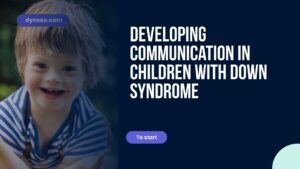
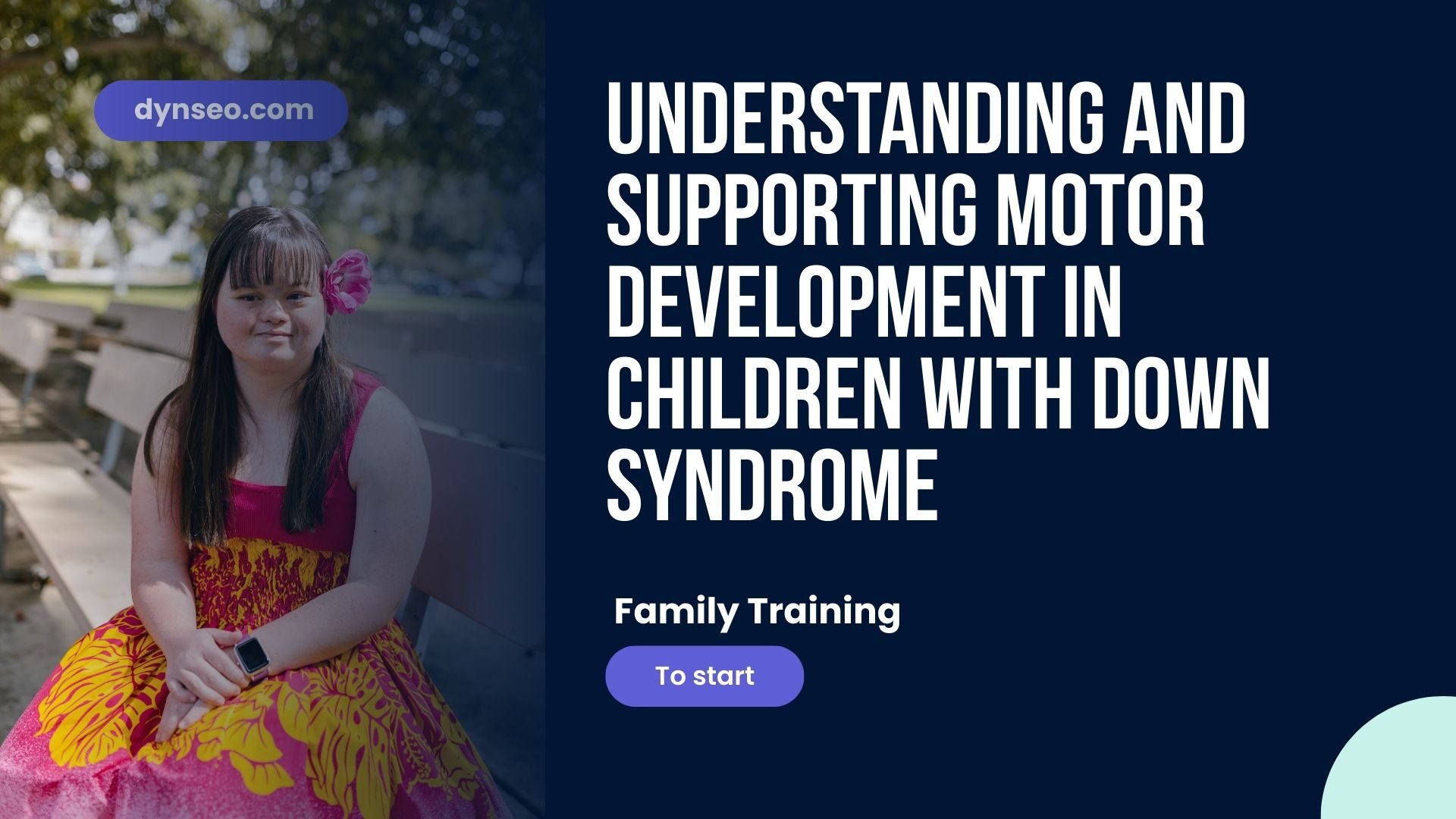
Understanding and Supporting Motor Development in Children with Down Syndrome
Supporting your child towards autonomy through adapted activities
100% online, self-paced training
Target Audience
Parents, grandparents, family caregivers, and relatives of children with Down syndrome who wish to understand their child’s motor characteristics and discover concrete activities to stimulate their development on a daily basis.
Duration
2 to 3 hours of training divided into 5 progressive modules
Format
100% online training, accessible from your computer or tablet. You progress at your own pace, whenever you wish, without time constraints.
What You Will Learn
This training allows you to understand the motor characteristics related to Down syndrome, particularly hypotonia and hyperlaxity, and their impact on balance, posture, and daily movements. You will discover fun and accessible activities to stimulate your child’s gross and fine motor skills while respecting their pace and abilities.
Through concrete explanations and immediately applicable strategies, you will learn to transform everyday moments into opportunities for motor development, without needing to “hold sessions”.
By the end of this training, you will be able to:
- Understand hypotonia and hyperlaxity: what they are, why they are present, and how they evolve over time
- Identify the impact on balance, posture, and walking: natural adaptations of the child and support strategies
- Understand why everyday movements require more effort: muscle effort, coordination, precision, and fatigue
- Suggest adapted movement games: dance, home motor pathways, children’s yoga
- Implement beneficial physical activities: swimming, walking, ball games
- Use techniques to gently strengthen tone: resistance games, strengthening positions, pushing/pulling activities
- Develop fine motor skills through crafts: beads, modeling clay, painting, cutting
- Transform functional movements into exercises: buttoning, opening, pouring, dressing
- Suggest precision and visuo-manual coordination games: puzzles, construction, fitting, graphic activities
- Integrate motor work into daily life: morning, meals, movement, bath, tidying up
- Adapt according to fatigue and motivation: recognize signals and adjust expectations
- Track progress and maintain confidence: journal, photos, celebrating victories
Key takeaway
You will leave with concrete tools and activity ideas to implement at home starting tonight.
Bonus
Discovery of the COCO PENSE & COCO BOUGE app, with its automatic sports breaks every 15 minutes, perfectly suited for children with Down syndrome.
Course Content
Module 1 – Understanding Motor Particularities
-
Lesson 1: Hypotonia and hyperlaxity
14:29 -
Lesson 2: Impact on balance, posture, and walking
15:58 -
Lesson 3: Why Everyday Gestures Require More Effort
17:59
Module 2 – Daily Activities to Stimulate Gross Motor Skills
Module 3 – Developing Fine Motor Skills
Module 4 – Integrating Motor Work into Daily Life
Module 5 – The COCO PENSE and COCO BOUGE application
Module 11 – Quiz finale
Student Ratings & Reviews