Personal Hygiene and Autism: Learning Daily Routines
Visual sequencing, sensory adaptations, and chaining to help your child achieve independence in washing, brushing teeth, showering, and dressing.
Dans cet article
Learning personal hygiene is a major autonomy issue for children with autism. Washing hands, brushing teeth, taking a shower, getting dressed: these daily routines, which most children gradually acquire through imitation and parental guidance, often require structured teaching and specific adaptations for children with autism. Sensory peculiarities, difficulties in motor planning, and the need for routine make learning more complex but not impossible. With the right strategies, every child can progress towards greater independence.
🧠 The specific challenges of hygiene in autism
Several factors make learning hygiene more complex for children with autism. Understanding these factors is essential to adapt teaching strategies and avoid unnecessary confrontations.
Sensory sensitivity
Water on the skin, the texture of soap, the taste of toothpaste, the noise of the hairdryer: each sensation can be a source of stress
Planning difficulties
Hygiene routines are complex sequences of several steps that require planning and working memory
Lack of motivation
The child with autism does not always perceive the social interest of hygiene and is not motivated by others' opinions
Sensory peculiarities are often the first obstacle. Water running down the face can cause panic in a child who is hypersensitive to touch. The menthol taste of toothpaste can be unbearable for a child who is hypersensitive to tastes. The noise of the hairdryer can be perceived as deafening noise. Identifying your child's specific sensory aversions allows for tailored solutions: tasteless toothpaste, shower with a gentle spray, towel to dry hair instead of a hairdryer.
📋 Visual sequencing: the essential tool
Visual sequencing involves breaking down each hygiene gesture into simple steps, represented by images or photos, displayed in order at the location where the gesture is performed. It is the most effective tool for teaching hygiene routines to autistic children, as it leverages their strength in visual processing and compensates for their planning difficulties.
Each sequence should be created with photos of your child performing the gesture (or of their hands, if they are uncomfortable with photos of themselves), in your bathroom, with your products. This personalization is important because autistic children often struggle to generalize: a sequence with generic images may not be associated with their own routine. The sequences are laminated and displayed at child height, next to the sink, in the shower, or near the clothing cabinet.
Chaining: a proven learning technique
Chaining is a behavioral technique that facilitates the learning of complex sequences. In backward chaining, the adult performs all the steps except the last one, which the child does alone, then the last two, then the last three, and so on. The child always completes the task themselves, providing a sense of achievement and control. In forward chaining, the process goes the other way, with the child starting with the first step alone.
💡 Consistency is key
The hygiene routine must be the same every day: same sequence, same products, same location, same time of day. This consistency is reassuring for the autistic child and facilitates the automation of gestures. Avoid changing products, moving items, or altering the order of steps, unless necessary and prepared in advance.
🧴 Handwashing
Handwashing is often the first hygiene routine taught because it is short, frequent, and offers many opportunities for practice. A typical sequence in 6-8 visual steps guides the child: turn on the tap, wet hands, take soap, rub hands together, rinse, turn off the tap, dry with a towel.
Sensory adaptations for handwashing include choosing the water temperature (some children can only tolerate lukewarm water), the type of soap (liquid vs bar soap, scented vs unscented), and the drying method (towel vs electric hand dryer, which is often too loud). A fun soap (color, shape, pleasant scent for the child) can turn handwashing into an enjoyable moment rather than a chore.
🦷 Tooth brushing
Tooth brushing is one of the most difficult hygiene routines to teach due to the frequent oral hypersensitivity in autistic children. The mouth is a particularly sensitive area, and introducing a foreign object (the toothbrush) associated with a taste (toothpaste) can trigger gag reflexes or outright refusal.
Gradual desensitization is essential: start by touching the lips with the brush, then the front teeth, and gradually the entire mouth. The choice of toothbrush (soft, electric with vibrations, silicone) and toothpaste (flavorless, strawberry flavor rather than mint, in minimal quantity) makes a big difference. An electric toothbrush is sometimes better tolerated because the vibrations provide regular and predictable proprioceptive feedback.
- Suitable brush: soft, small head, ergonomic handle or finger brush in silicone for beginners
- Suitable toothpaste: flavorless, mild flavor (strawberry, vanilla), in minimal quantity (grain of rice) to start
- Visual timer: 2-minute hourglass or brushing song to structure the duration
- Mirror: a child-height mirror allows them to see what they are doing and learn by imitation
🚿 The shower or bath
The choice between shower and bath depends on the child's sensory preferences. Some autistic children prefer the bath because immersion in water provides soothing deep pressure and a controllable sensory environment. Others prefer the shower because the bath confronts them with unpleasant floating sensations or the difficulty of tolerating water on their face when rinsing their hair.
Washing hair is often the most difficult moment because water flowing on the face is a particularly invasive sensation for many autistic children. Practical solutions exist: bath visor that prevents water from flowing on the face, no-rinse shampoo, wet washcloth instead of water spray, lying down in the bath to rinse hair by tilting the head back.
⚠️ Safety and Dignity
Learning personal hygiene touches on the child's intimacy. As they grow, it is important to respect their modesty and guide them towards autonomy so they can perform these actions independently. Visual sequences, by allowing gradual autonomy, contribute to this respect for intimacy. The goal is for the child to be able to wash themselves, with minimal supervision appropriate to their age and abilities.
🎮 COCO THINKS and COCO MOVES: Planning and Sequencing
The COCO THINKS and COCO MOVES program from DYNSEO indirectly contributes to learning hygiene by training the cognitive functions involved: planning (organizing the steps in the correct order), working memory (retaining the sequence), sustained attention (maintaining concentration throughout the routine), and flexibility (adapting to small variations).
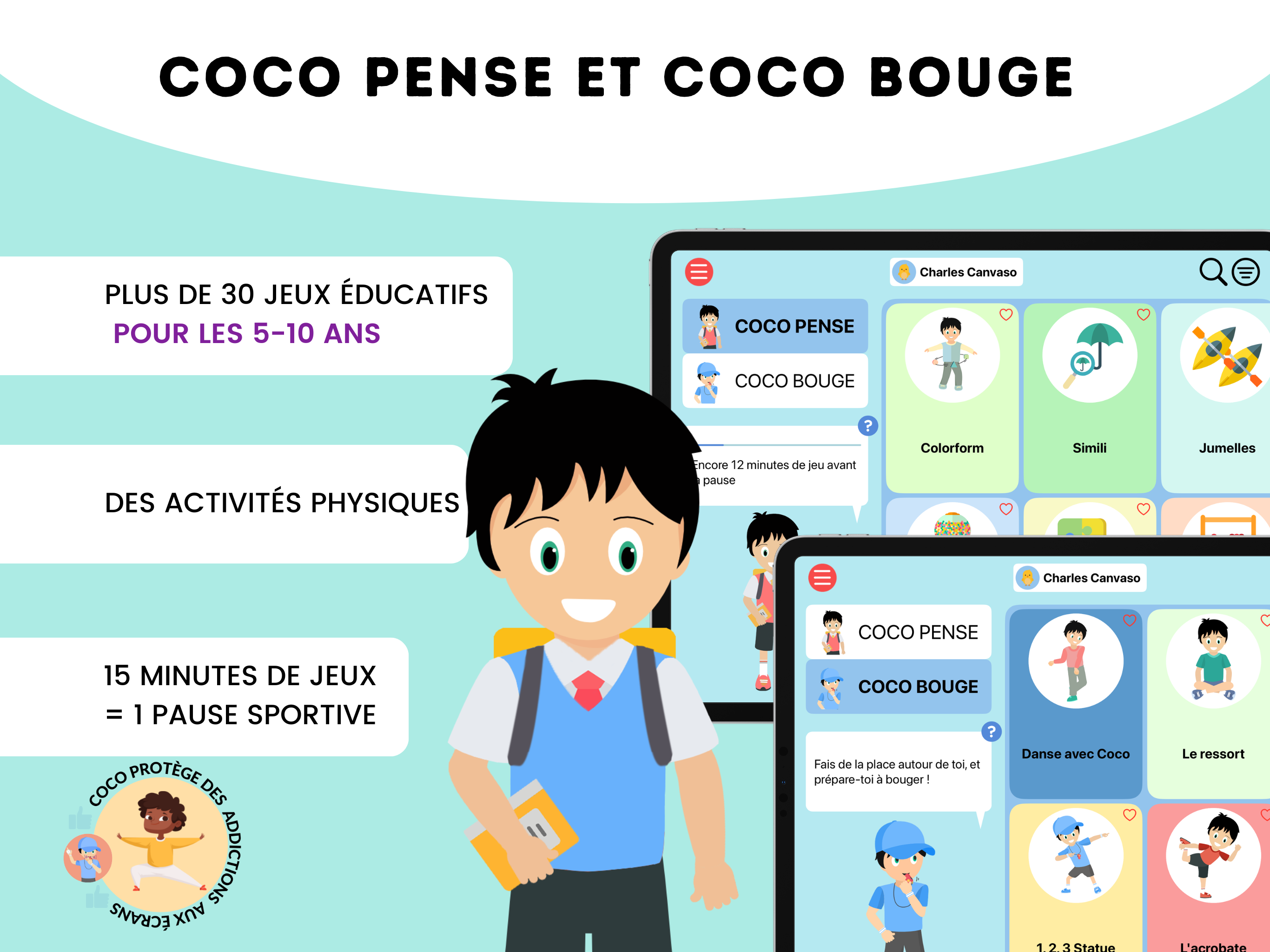
🎯 Discover COCO THINKS and COCO MOVES
A program that trains the cognitive functions essential for learning autonomy in hygiene.
Discover the COCO program →👕 Dressing
Dressing combines sensory challenges (textures of clothing, labels, seams, elastics) and motor challenges (buttons, zippers, laces, orientation of clothing). Visual sequencing is particularly useful for dressing because the order of steps is not intuitive for all children.
Sensory adaptations for dressing include choosing soft cotton clothing without labels (or cut labels), without irritating seams, with slightly larger sizes to avoid the feeling of tightness. Alternatives to complex fastenings (Velcro instead of laces, snap buttons instead of regular buttons, elastic waist pants) facilitate autonomy without compromising appearance.
DYNSEO guides for supporting autistic children and supporting autistic adults offer complementary strategies to develop autonomy in all daily actions.
🎓 Training with DYNSEO

🎓 Develop Your Child's Autonomy
Qualiopi certified training available online to master learning strategies for hygiene and daily autonomy.
Discover the training →🎯 Conclusion
Learning personal hygiene is a journey that requires patience, consistency, and creativity. With visual sequencing, sensory adaptations, chaining, and systematic positive reinforcement, every autistic child can progress towards greater autonomy in their daily actions. The COCO THINKS and COCO MOVES program helps strengthen the cognitive functions that underlie these learnings.
Every mastered step, no matter how small, is a victory that boosts the child's self-esteem and facilitates their social inclusion. The goal is not perfection but progress, at each child's pace.
Step by step, action by action:
Towards an autonomy built with respect.
Did this content help you? Support DYNSEO 💙
We are a small team of 14 people based in Paris. For 13 years, we have been creating free content to help families, speech therapists, care homes and healthcare professionals.
Your feedback is the only way we know if our work is useful. A Google review helps us reach other families, caregivers and therapists who need it.
One action, 30 seconds: leave us a Google review ⭐⭐⭐⭐⭐. It costs nothing, and it changes everything for us.