Structured Routine: Major Preventive Tool for Behavioral Disorders
Create reassuring temporal landmarks while maintaining the necessary flexibility
For elderly people with cognitive disorders, temporal disorientation is a major source of anxiety and behavioral issues. Not knowing what day it is, what time it is, or what will happen next creates a feeling of chaos and deep insecurity. The structured routine is a powerful therapeutic tool that provides stable temporal landmarks, reduces anxiety related to unpredictability, and allows the person to regain a sense of control and security. However, the routine should not become rigidity: it is about creating a flexible, personalized structure that reassures while adapting to the needs and variations in the condition of each resident. Mastering this balance between predictability and flexibility is at the heart of preventing behavioral disorders in nursing homes.
Dans cet article
La formation associée

Why the Structured Routine is Essential in Nursing Homes
Temporal Orientation Disorders in Dementias
Temporal disorientation is one of the first symptoms of cognitive disorders. The person gradually loses the ability to locate themselves in time: they no longer know what date it is, what day of the week it is, what season it is, and sometimes even whether it is morning or afternoon. This loss of temporal landmarks has profound psychological consequences.
First, a major anxiety: not knowing where one stands in time means not being able to anticipate what will happen. Every event becomes a surprise, potentially threatening. "What are they doing to me? Why are they undressing me? Where are they taking me?" These questions arise with every change of activity if the person has no landmarks to understand that it is time for bathing, meals, or walks.
Next, a feeling of loss of control. Without temporal landmarks, the person is completely dependent on others to know what is happening and what will happen. This extreme dependency is experienced as infantilization and can generate anger, refusal, and opposition. "I am no longer in control of anything, not even knowing what time it is."
Temporal disorientation also leads to a confusion between past and present. The person may believe they need to go to work (even though they have been retired for 30 years), that they need to pick up their children from school (who are adults), or that they have an urgent appointment (which does not exist). These confusions generate agitation, anxious wandering, and attempts to escape the facility.
💡 Manifestations of Temporal Disorientation
- Repetitive questions: "What time is it?", "What day is it?", "When will I go home?"
- Agitation at the end of the day (sundown syndrome): increased confusion when the light decreases
- Refusal of "unexpected" care: the person does not understand why they are being undressed if they do not know it is time for bathing
- Anachronistic requests: wanting to go to work, pick up their children, prepare a meal that has already been eaten
- Sleep disorders: confusion day/night, wanting to get up in the middle of the night thinking it is morning
- Generalized anxiety: constant feeling of "not knowing what is happening"
How Routine Creates Emotional Security
A stable daily routine is a powerful antidote to the anxiety generated by temporal disorientation. It works through several therapeutic mechanisms. Predictability is the first benefit: when the same events occur at the same times every day, the person eventually anticipates them, even if they do not consciously remember the schedule. This is a form of procedural memory (body memory, habits) that persists longer than explicit memory.
For example, Mrs. L. cannot say "At 9 AM it’s time for bathing," but after a few weeks of a stable routine, her body "knows" that after breakfast comes the time for bathing. She is therefore less surprised, less resistant, because her body has adapted to this sequence. The routine creates a form of reassuring automatism.
The routine also provides indirect temporal landmarks. Even if the person can no longer read the time on a clock or no longer understands the calendar, they can orient themselves through events: "If we just had breakfast, it’s morning. If the meal is coming, it’s noon. If my children come, it’s afternoon (if visits are at fixed times)." These sensory and event-based landmarks replace the failing cognitive landmarks.
The routine reduces the number of decisions to be made and changes to be managed. Each change, each unexpected event is a source of cognitive stress for a person whose adaptive capacities are reduced. A routine day limits these stresses: one knows (even unconsciously) what will happen, there are no destabilizing surprises. Cognitive energy is not wasted trying to understand what is happening; it can be used to participate, to be in relation.
Finally, the routine creates a sense of mastery. Paradoxically, by making things predictable, control is restored to the person. They can anticipate (even unconsciously), they can prepare mentally, they are no longer completely passive in the face of incomprehensible events. This sense of mastery, even partial, enhances self-esteem and reduces anxiety.
🔐 Therapeutic Benefits of Routine
- Reduction of anxiety : predictability calms
- Better sleep : regularized circadian rhythm
- Decrease in agitation : less confusion = less agitation
- Facilitation of care : reduced resistance due to anticipation of routine
- Improvement of appetite : fixed meal times stimulate hunger
- Strengthening of residual abilities : repetition = maintenance of procedural learning
- Better emotional regulation : less stress = fewer emotional outbursts
- Feeling of safety and control : I know (unconsciously) what is going to happen
Routine vs Rigidity: Finding the Right Balance
While routine is beneficial, excessive rigidity is counterproductive and can even become abusive. There is a fundamental difference between a structuring routine and rigid functioning. The structuring routine provides a stable framework but adapts to the needs and state of the person. It is personalized, respects individual rhythms, tolerates variations, and adjusts when necessary (health issues, special events).
Institutional rigidity, on the other hand, imposes a standardized framework on all residents without considering their particularities. "Bathing is at 9 AM for everyone, whether tired or energetic, whether you like to get up early or late." "The meal must be finished by 12:30 PM, whether you are hungry or not, whether you eat slowly or quickly." This rigidity denies individuality and can generate stress, frustration, and opposition.
The right balance lies in what can be called "structured flexibility": maintaining a generally predictable structure (the main moments of the day occur in a stable order) while allowing for individual and circumstantial adaptations (slightly variable schedules depending on the person, possibility to postpone care if the person is not ready, respect for occasional refusals).
Signals to watch for indicating excessive rigidity: systematic resistance from certain residents at certain times of the routine, visible stress from teams to "stick to the schedule," inability to manage unforeseen events without panic, refusal of any deviation even when medically or psychologically justified. If these signs are present, it means the structure has become a straitjacket and needs to be loosened.
⚠️ Signs of a Routine That Has Become Too Rigid
- Team Stress : constant race against the clock, anxiety of "not finishing on time"
- Resistance from Residents : frequent refusals, agitation during transitions, feeling rushed
- Excessive Standardization : all residents have exactly the same schedule
- Inability to Adapt : "It’s like that, we can’t do otherwise"
- Priority of Planning over the Person : "I don’t have time to wait for her to be ready, I have to move on to the next"
- Lack of Spontaneous Activities : everything is scheduled, no room for positive improvisation
- Suppression of Individual Needs : "You will eat at noon like everyone else" while the person is hungry at 11am
🎓 DYNSEO Training: Behavioral Disorders for Professionals
Learn to build structured and personalized routines, manage the balance between predictability and flexibility, and adapt rhythms to individual needs. Certified Qualiopi training with practical tools.
Build a Structuring and Personalized Daily Routine
The Major Rhythms of the Day: Universal Structure
Any daily routine in a Nursing home revolves around major structuring moments that correspond to fundamental physiological and social needs. The wake-up and morning hygiene mark the start of the day. This moment should be managed gently: gradual awakening (soft light, calm music), respecting each person's rhythm (some are morning people, others need time), hygiene adapted to preferences (bath, shower, washbasin hygiene).
The breakfast is a friendly and reassuring moment. It clearly signals the start of the day. Respecting eating habits (coffee or tea, bread or biscuits, sweet or savory) and the possibility to have this meal at one's own pace are important. The morning activity time follows: this is generally when cognitive abilities are at their best. Stimulating activities (games, workshops, discussions) are preferred over passive activities.
The lunch structures the midday. It is often an important social moment, a more elaborate meal, sometimes in a communal dining room. The afternoon is typically a quieter time: rest (nap for those who need it), gentle activities, family visits. The snack marks the transition towards the end of the day.
The end of the afternoon and evening require special attention as it is often when anxiety increases (sundown syndrome). Soothing activities (soft music, quiet walk, reassuring presence) prevent agitation. The dinner, lighter, followed by the bedtime ritual (evening hygiene, change, settling into bed) concludes the day. The bedtime ritual should be regular and reassuring to promote good sleep.
🌅 Morning (7am-12pm)
- Gradual awakening : light, soft music
- Morning hygiene : personalized, at their own pace
- Breakfast : friendly moment, habits respected
- Stimulating activities : cognitive games, workshops, outings
- Best time for technical care if necessary
☀️ Noon (12pm-2pm)
- Lunch : main meal, often collective
- Important social moment
- Sufficient time to eat quietly
- Friendly but calm atmosphere
- Assistance tailored to needs
🌆 Afternoon/Evening (2pm-9pm)
- Rest : nap for those who need it
- Gentle activities : music, reading, walking
- Snack : transition towards the end of the day
- Family visits : special moments
- Light dinner followed by a calming bedtime ritual
Customize the Routine According to Individual Rhythms
Beyond this general structure, each resident should benefit from a personalized routine that respects their biological rhythms and lifestyle habits. Chronotypes (preference for morning or evening) are genetically determined and persist despite cognitive disorders. Some people are naturally morning-oriented: they wake up early, are alert in the morning, and tire in the late afternoon. Others are evening-oriented: they need more time to wake up in the morning, feel better in the afternoon and evening.
Respecting these rhythms improves well-being and reduces behavioral disorders. For a morning person, offering hygiene early (7am-8am) and stimulating activities in the morning is ideal. Rest can occur early in the afternoon. For an evening person, it is better to let them sleep longer in the morning, offer hygiene later (9am-10am), and keep important activities for the afternoon.
Sleep habits must be respected: some need 10 hours of sleep, while others only need 6. Some take a long nap, others never do. Forcing someone who has always fallen asleep at midnight to go to bed at 8pm generates insomnia and nighttime agitation. Conversely, forcing someone who has always gone to bed at 7pm to stay awake until 9pm creates excessive fatigue and irritability.
Eating habits also vary: some eat a lot in the morning, others almost nothing. Some need a substantial snack, others do not. Respecting these habits promotes good nutrition and prevents food refusals. Preferred times for certain activities should also be identified: some enjoy walking in the morning, others in the afternoon. Some prefer social activities in late morning, others in early afternoon.
💡 Questions to Personalize the Routine
To ask the family or to observe in the resident:
- What time did he/she usually get up?
- Was he/she a morning person or an evening person?
- Did he/she take a nap? For how long?
- What time did he/she go to bed?
- What were his/her meal habits (times, types of food)?
- Were there any important rituals (coffee upon waking, walk after lunch, evening news)?
- Did he/she prefer activities in the morning or in the afternoon?
- Did he/she need some alone time during the day?
Create Reassuring and Meaningful Rituals
Beyond the general routine, rituals are special moments, filled with meaning and emotion, that punctuate the day and create even stronger anchors. A ritual is distinguished from a simple routine by its symbolic and emotional dimension. It’s not just "doing something at a certain time," it’s "doing something important, in one's own way, with personal meaning."
The waking ritual can include: opening the shutters while saying "Hello, it's a beautiful day starting," turning on the radio to a favorite station, bringing coffee to bed if it was a habit, taking the time for a small conversation before starting care. These small gestures create a gentle transition between sleep and wakefulness, reducing the anxiety of a sudden awakening.
The meal ritual can include: always sitting in the same place, having personal cutlery and glass, saying a blessing for those who were religious, sharing a moment of conviviality ("Enjoy your meal, everyone!"), respecting the order of dishes (starter, main course, dessert) for those who were used to it. The snack ritual can be a particularly warm moment: coffee or tea with biscuits, chatting, reading the newspaper together.
The bedtime ritual is crucial for good sleep: evening hygiene at a regular time, putting on pajamas (and not staying dressed), closing the shutters or curtains, settling into bed with one's "transitional objects" (favorite pillow, stuffed animal, photo), warm goodnight wishes, possibly reading a page or saying a prayer for those who wish. These rituals signal to the body and mind that it is time to sleep.
Weekly rituals also structure the week: Sunday mass for the religious, Saturday morning market, video call with family on Wednesday, Friday baking workshop. These weekly rituals create a longer-term structure and help to orient oneself in the week ("Ah, it's Friday today since we're making cakes").
🎓 DYNSEO Training: Practical Guide for Family Caregivers
Help families understand the importance of routines and rituals, and participate in their construction. This training allows relatives to become allies in establishing reassuring landmarks.

Maintaining Flexibility in the Routine
Knowing How to Adapt the Routine to Current Needs
A good routine must be able to adapt to variations in the resident's condition. Some days, the person is tired, in pain, anxious, or ill. Imposing the usual routine without considering this particular state is counterproductive and can generate behavioral disorders. The careful observation of the resident's condition upon waking allows for adapting the day: if the person is visibly tired, one can delay personal care, offer breakfast in bed, or cancel or postpone a planned activity.
If the person expresses pain (verbally or through non-verbal signs), the priority is to assess and relieve this pain before continuing with the routine. Insisting on personal care when the person has joint pain will only worsen the pain and create a negative association (personal care = pain = subsequent refusals). If the person is anxious or agitated, take the time to reassure them, understand what is wrong, and possibly modify the order of activities or the modalities.
External events also influence emotional state: a difficult family visit, a death in the facility, a loud fire alarm, disruptive construction work. These events can destabilize the person for several hours or even days. Adapting the routine (more reassuring presence time, calmer activities, respecting the need for solitude if expressed) helps to navigate these difficult moments.
Communication with the team is essential for these adaptations. Reports should include the observed state of the resident and the adaptations made: "Mr. D. was tired this morning, personal care delayed to 10 am instead of 8 am, accepted it well, seems to have recovered now." This information allows the next team to continue the adaptation if necessary or gradually return to the usual routine.
🔄 Situations Requiring Routine Adaptation
- Unusual fatigue : postpone, shorten or delay certain activities
- Pain : relieve first, adapt mobilizations
- Flu-like state or infection : preferred rest, increased monitoring
- Marked anxiety or agitation : calming activities, increased reassuring presence
- Disturbing event : speaking time, listening, containing activities
- Family visit : adjust schedules to facilitate the visit
- Categorical refusal : respect, propose later differently
- Extreme weather change : cancel outing if heatwave/extreme cold
Managing the Unexpected Without Creating Chaos
The unexpected is part of life in a facility: absence of a caregiver, elevator breakdown, late meal delivery, urgent technical intervention. These unexpected events can disrupt the routine and generate anxiety among residents if not managed carefully. Anticipatory communication is the first strategy: inform residents as soon as possible about the change ("Today the meal will be a little later because there was a delivery problem, but it’s coming, don’t worry").
Even if residents do not understand all the details, a reassuring tone and being informed reduces anxiety. Offering a buffer activity helps fill the wait: "While waiting for the meal, I suggest we listen to music together." The important thing is not to leave residents in the void, in misunderstanding, because that’s when agitation rises.
The organizational adaptation of the team is crucial: redistribute tasks differently to compensate for an absence, prioritize essential care if time is short, ask for backup if necessary. A well-coordinated team can absorb the unexpected without it resulting in chaos for the residents. Conversely, a disorganized, stressed team will transmit that stress to the residents.
After a disturbing unexpected event, a quick return to the usual routine is reassuring. As soon as the problem is resolved, resuming the usual markers signals that the situation has returned to normal. "There you go, everything is back in order, tomorrow it will be as usual." This simple phrase reassures and allows for closing the chapter on the incident.
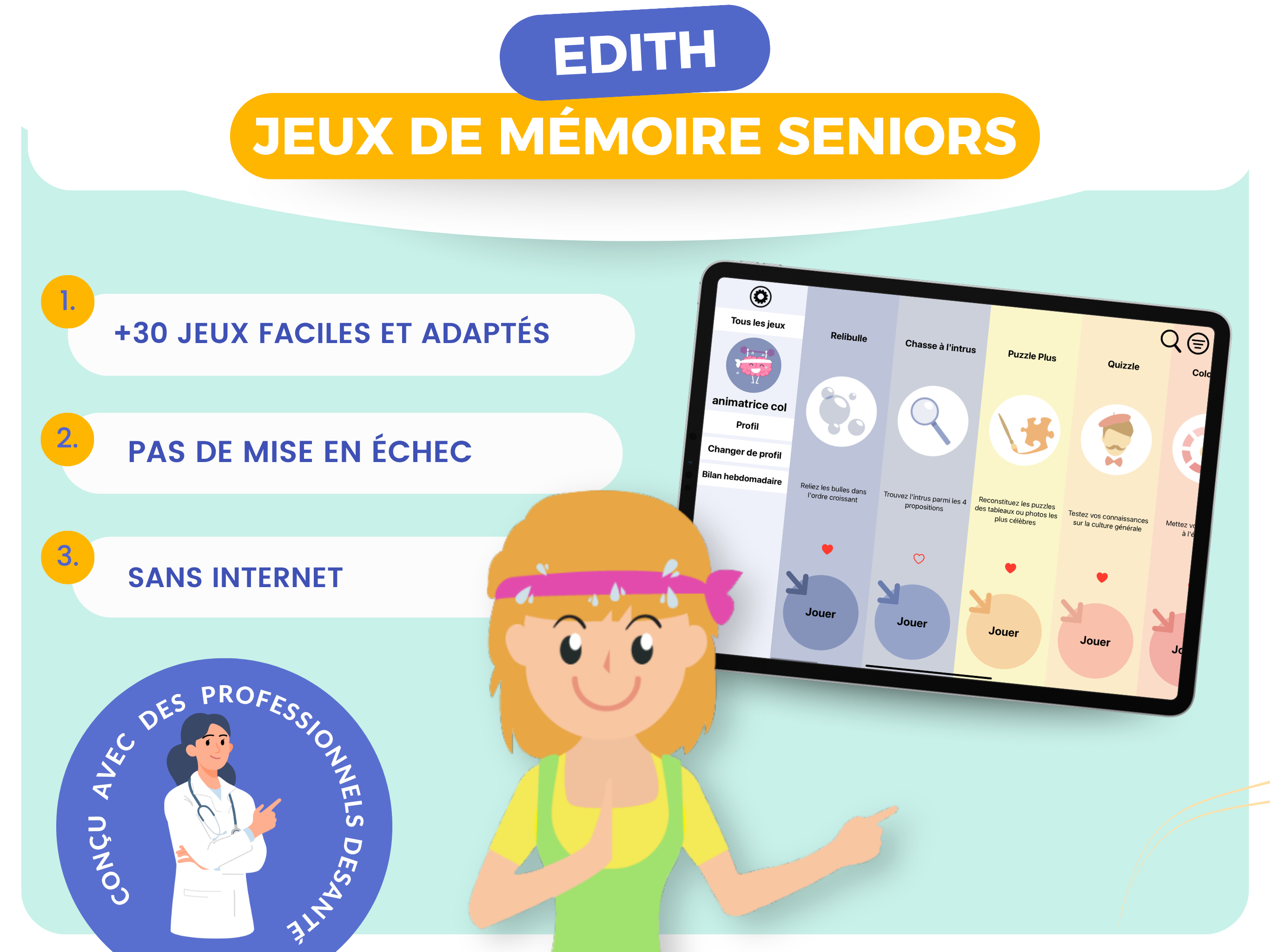
🧩 SCARLETT Application: Cognitive Stimulation for Seniors
SCARLETT can be integrated into the daily routine as a regular and predictable activity. Using SCARLETT at the same times each week creates a valued reference point and maintains cognitive abilities through regular repetition.
Integrate Special Events Without Disrupting
Special events (parties, birthdays, outings, exceptional activities) bring joy and break the monotony, but they can also destabilize people who are very dependent on routine. Anticipation and preparation allow these events to be integrated without creating too much anxiety. Several days in advance, one can talk about it, show photos from the previous year if it is a recurring event, and simply explain what will happen.
On the day of the event, maintaining the usual morning routines (waking up, personal care, breakfast at the usual times) creates a foundation of security before the change. The special event then takes place, but the fundamentals of the day have been respected. After the event, a return to calm is necessary: soothing activity, rest time, avoiding multiple changes in the same day.
For residents who are very sensitive to changes, a partial participation can be proposed: attending the beginning of the party and then withdrawing to a quiet space, participating in the preparations rather than the event itself (helping to decorate the room but not staying during the activity), or simply enjoying the festive atmosphere from a distance without being at the center of the action.
Outings require special preparation: notifying several days in advance, explaining where we are going and why, showing photos of the place, ensuring that the person wants to go (respecting refusals), arranging reassuring support (known caregiver, family member), planning a return at a reasonable time to avoid disrupting the evening ritual.
⚠️ Precautions for Special Events
- Do not multiply changes: one special event at a time, not three in the same week
- Respect refusals: some residents do not like noisy parties, do not force them
- Plan for withdrawal spaces: for those who are overstimulated and need calm
- Do not excessively prolong: a 2-hour activity is sufficient, no need for 4 hours
- Maintain essential markers: meals at roughly the same times, even during a party
- Observe reactions: if anxiety or visible fatigue, allow leaving the event
- Return to calm afterwards: do not immediately follow with something stimulating
Tools and Supports to Strengthen Temporal Markers
Visual Markers and Temporal Signage
Visual supports can reinforce temporal markers for residents who retain some capacity for visual understanding. Adapted clocks with clear display (large numbers, high contrast) and simplified (no second hand, just hours and minutes) can help. Some clocks specially designed for dementia display the time of day in words and images: "Morning - 9 AM - Breakfast" with an image of coffee and croissants.
Visual calendars with the current date highlighted (colored box, arrow, strong visual marker) help to situate oneself in the month. A calendar also displaying important events (family visits, birthdays, planned outings) helps with anticipation. Pictograms representing the day's activities displayed in common areas or in rooms provide a visual overview: an image of a shower for bathing, a plate for meals, people dancing for the dance workshop.
Natural light is a powerful temporal marker. Prioritizing well-lit living spaces, opening shutters in the morning, closing them in the evening, allows the circadian rhythm to align with the day/night alternation. Conversely, constant artificial lighting disorients. In case of lack of natural light, light therapy can help: exposure to bright light in the morning (to signal the start of the day and promote wakefulness) and dim light in the evening (to prepare for sleep).
Sound markers also work: specific music played at each meal time (soft classical music during meals), a bell signaling the start of an activity, sounds of bells or chimes marking the hours. These auditory markers create associations (when I hear this music, I know it’s time to eat) that persist even with severe cognitive disorders.
👁️ Visual Cues
- Simplified display clocks with large characters
- Calendars with today's date highlighted
- Visual schedule of the day with pictograms
- Signs indicating the time (Morning/Noon/Afternoon/Evening)
- Opening/closing of shutters according to the time
- Color code by time of day
👂 Auditory Cues
- Specific music according to the times
- Soft vocal announcements ("It's time for your meal")
- Bells or chimes at key hours
- Radio or television at fixed times (1 PM news)
- Bird songs played in the morning
- Soothing music in the evening
🌞 Natural Cues
- Preferred natural light
- Morning light therapy if needed
- Regular meal rhythm
- Daily outdoor activities
- Observation of nature (seasons, weather)
- Contact with animals (natural rhythms)
Communication and Clarification of Transitions
Even with visual and auditory cues, verbal communication remains essential to facilitate transitions between times of the day. Each change of activity must be announced and explained in a simple and reassuring manner. Instead of bursting into the room and saying "We're going to do your hygiene," take the time for a gentle entry: knock, enter with a smile, say hello, then announce: "Hello Mrs. D., it's me Sophie, it's 9 o'clock, it's time for your hygiene. Are you ready?"
Using the present and immediate future is more effective than abstract formulations. "In 5 minutes, we will have lunch" is less clear than "I will set you at the table, and then we will eat together." Concrete cues (what will happen now, right after) are more understandable than abstract temporal notions (in an hour, this afternoon).
Kind repetition is necessary: the person may ask the same question ten times "What time is it?", "What are we doing now?". Responding patiently each time, with the same calmness, without exasperation, is therapeutic. Even if the answer is not remembered, the reassuring tone calms the anxiety of the moment. Putting a visible clock and directing the person to it ("Look at the clock, it's 11 o'clock") can also help, provided the person still knows how to read the time.
Transition phrases signal changes: "We have finished breakfast, now we are going to...", "The activity is over, it's time to...", "The meal is approaching, I will accompany you to the dining room." These phrases create a narrative thread that helps understand the flow of the day as a logical succession of events and not as an incomprehensible chaos.
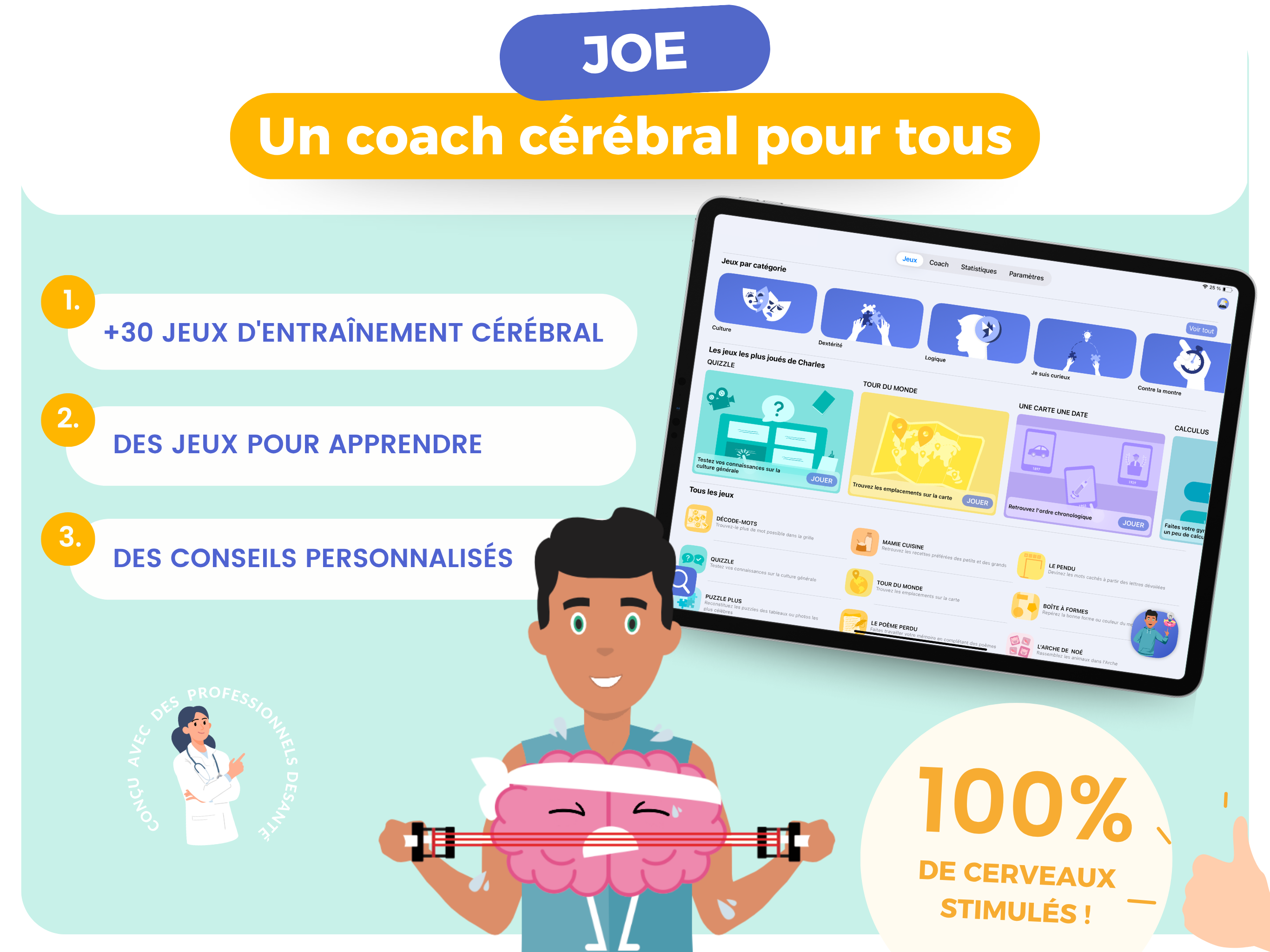
🧠 Application CLINT: Mental and Cognitive Health for Adults
CLINT can be used as a fixed schedule routine activity for some residents. The regularity of CLINT sessions creates a weekly landmark ("Tuesday is CLINT") while maintaining cognitive abilities.
Involve Teams and Families
For the routine to be truly structuring, the entire team must know and respect it. Communications should include information about each resident's routine: "Mr. T. has his breakfast at 8:30 AM, not before because he is not hungry in the morning," "Mrs. L. takes her nap from 2 PM to 3:30 PM, do not wake her up before unless it's an emergency." This information should be easily accessible, ideally in the care file, summarized on a concise sheet.
Substitute or temporary caregivers must be briefed on the routines before taking their position. A caregiver who does not know the resident's habits can inadvertently create stress by suggesting things at the wrong time or in the wrong way. An integration period with an experienced caregiver allows for the transmission of this crucial information.
The family can be informed of their loved one's routine, which reassures them ("I know that mom has landmarks, that we respect her habits") and allows them to adapt their visits. If the family knows that the afternoon from 3 PM to 5 PM is a calm time suitable for visits, while the morning is busier with care, they can organize their visits accordingly. The family can also participate in certain routine moments if they wish: sharing snack time, accompanying on walks, participating in a regular activity.
Regular meetings (monthly or quarterly) involving the team and family allow for a review of the routine, adjustments if necessary, and gathering feedback from everyone. "Is the current routine suitable? Are we observing an improvement in well-being? Are there any adjustments to be made?" This collaborative approach strengthens the alliance around the resident.
Conclusion: The Routine, Compass in Cognitive Fog
For a person with cognitive disorders who is losing their temporal landmarks, a structured routine is like a compass in the fog. It does not eliminate the fog (cognitive disorders persist), but it offers stable cardinal points that allow for orientation, knowing where one is, what will happen, and regaining a sense of security and control.
A well-designed routine is both structuring and respectful. It provides a predictable framework that calms anxiety, but it adapts to individual needs, personal rhythms, and variations in condition. It is not a rigid straitjacket that confines, but a flexible structure that supports. It respects past life habits while adjusting to current abilities.
Implementing and maintaining such routines requires organization, coordination, and consistency. It necessitates that the entire team works together, that information flows, and that everyone knows and respects the particularities of each resident. It also requires patience: a routine only becomes reassuring after several weeks of repetition, the time it takes for procedural memory to take hold.
But the investment is worth it. Facilities that have implemented structured and personalized routines report a significant reduction in behavioral disorders: less agitation, less anxiety, less refusal of care, better sleep, better nutrition. Residents appear calmer, more cooperative, more engaged in activities. The overall atmosphere improves, teams are less stressed, families are more reassured.
A structured routine is not in itself the solution to all behavioral disorders. It must be articulated with other approaches: personalized life project, life biography, non-pharmacological interventions, environmental adaptations. But it is a central pillar, because without temporal landmarks, all other interventions struggle to be effective. How can one propose an activity if the person never knows what time of day it is? How can connections be created if each encounter is experienced as a first time, without continuity?
"Time has become blurry, elastic, elusive. Yesterday and today blend together. Morning and evening resemble each other. Nothing structures the hours that pass. It is the anxiety of temporal emptiness. Therefore, offering a routine is to offer a thread of Ariadne in the labyrinth of deconstructed time. It is to say: 'After breakfast comes the wash, after the wash comes the activity, after the activity comes the meal. Always. Every day. You can rely on it.' And in this 'you can rely on it' lies immense comfort. The routine, far from being a prison, becomes a refuge."
Did this content help you? Support DYNSEO 💙
We are a small team of 14 people based in Paris. For 13 years, we have been creating free content to help families, speech therapists, care homes and healthcare professionals.
Your feedback is the only way we know if our work is useful. A Google review helps us reach other families, caregivers and therapists who need it.
One action, 30 seconds: leave us a Google review ⭐⭐⭐⭐⭐. It costs nothing, and it changes everything for us.