Violence Against Caregivers in Nursing Homes: Protection and Reporting Protocol
Rights of professionals, reporting procedures, legal protection, and post-assault support
Violence against caregivers in nursing homes represents a worrying reality that requires clear protocols and effective protection measures. Every year, thousands of professionals fall victim to physical, verbal, or psychological assaults in the course of their duties. These acts of violence, often minimized or hidden, have serious consequences on the health of caregivers, the quality of care, and the work environment. Establishing a robust protection and reporting protocol is a legal and ethical obligation for any establishment, ensuring the safety and dignity of professionals while maintaining the continuity of care for residents.
Dans cet article
La formation associée

Understanding Violence Against Caregivers in Nursing Homes
The Different Forms of Violence
Violence in nursing homes is not limited to physical assaults. It manifests in multiple forms, each having significant consequences on professionals. Physical violence includes hitting, biting, scratching, throwing objects, pushing, or attempts of strangling. These assaults can occur during hygiene care, dressing, medication administration, or any situation perceived as intrusive by the resident.
Verbal violence is the most common: insults, threats, humiliating remarks, shouts, or unfounded accusations. These repeated verbal attacks create a constant climate of tension and deeply affect the caregivers' self-esteem. Psychological violence is more insidious: manipulation, emotional blackmail, moral harassment, systematic accusation, or constant devaluation of the work done.
Sexual violence, although often taboo, also exists: inappropriate gestures, sexually suggestive comments, exhibitions, non-consensual touching, or characterized sexual assaults. These situations require immediate and specific handling, with appropriate psychological and legal support.
⚠️ Hidden Violence
Some forms of violence remain invisible or unrecognized: repeated exposure to agitated behaviors without adequate protection, institutional denial of encountered difficulties, the obligation to continue caring for an aggressive resident without protection measures, or the victimized caregiver's blame for not having "managed" the situation.
These institutional violences amplify the trauma of victims and create an environment where voices cannot be heard. Recognizing these insidious forms of violence is essential for implementing effective protection.
Risk Factors and Contexts of Occurrence
Violence against caregivers occurs in specific contexts that need to be identified to better prevent them. Intimate care (toilet, dressing, changes) are the most at-risk moments because they are perceived as intrusive by residents with cognitive disorders who do not always understand the necessity of these interventions. The person may then feel threatened and react violently to protect themselves.
Situations of refusal of care also generate tensions: when a resident categorically refuses treatment or care, the caregiver is caught between their professional duty and the respect of the person's will. Insistence can then trigger an aggressive reaction. Moments of fatigue and overload, for both residents and caregivers, significantly increase the risks: end of the day, understaffed periods, care rushes before meals or nights.
The physical environment also plays a role: confined spaces, lack of privacy, sensory overstimulation (noise, light, agitation), absence of withdrawal possibilities. Undiagnosed or poorly managed conditions are a major risk factor: unrelieved pain, undetected infections, medication side effects, uncompensated sensory disorders (deafness, low vision).
🏥 Resident-Related Factors
- Severe cognitive disorders (dementia, Alzheimer's)
- History of violence or psychiatric disorders
- Unrelieved chronic pain
- Acute confusion or delirium
- Recent loss of functional abilities
- Frustrations related to dependency
👥 Organizational Factors
- Chronic understaffing and turnover
- Lack of training on managing aggression
- Absence of clear protocols
- Excessive workload
- Faulty communication between teams
- Culture of silence on incidents
🔧 Environmental Factors
- Overstimulating or unsuitable environment
- Lack of withdrawal and calming spaces
- Excessive proximity
- Lack of meaningful activities
- Rigid, non-customized routines
- Absence of architectural adaptation
The Magnitude of the Phenomenon: Data and Realities
The figures of violence against caregivers in nursing homes are alarming, even though they are largely underestimated due to underreporting. According to various studies, between 60% and 80% of caregivers in nursing homes report having been victims of at least one physical or verbal assault during their career. More worryingly, 40% to 50% of professionals report having suffered violence in the past twelve months.
Nursing assistants and caregivers are the most exposed, representing 70% of aggression victims, followed by nurses (20%) and other professionals (10%). This overexposure is explained by daily proximity with residents, the frequency of intimate care, and prolonged interaction durations. Verbal assaults are the most frequent (70% of reported incidents), followed by physical assaults (25%) and other forms of violence (5%).
However, these official figures reflect only part of the reality. It is estimated that only 20% to 30% of incidents are actually reported and documented. The reasons for this underreporting are numerous: trivialization of violence ("it's part of the job"), fear of stigmatizing the resident, fear of retaliation or negative judgments from the hierarchy, reporting procedures perceived as cumbersome or useless, absence of a reporting culture within the establishment.
📊 Impact on Professionals
The consequences of these acts of violence on caregivers' health are significant. Studies show that professionals who are victims of violence have an increased risk of:
- Anxiety and depressive disorders (3 times more frequent)
- Post-traumatic stress disorder (especially after severe assaults)
- Musculoskeletal disorders (linked to tension and avoidance gestures)
- Repeated work absences (2 to 3 times higher than average)
- Burnout and professional exhaustion (prevalence increased fourfold)
- Early career change (30% of assaulted caregivers consider leaving the sector)
Beyond individual impacts, this violence also affects the quality of care, the work environment, and the attractiveness of caregiving professions in nursing homes.
🎓 DYNSEO Training: Behavioral Disorders for Professionals
Understand the mechanisms of behavioral disorders, develop prevention and management strategies, and learn to protect your health while maintaining the quality of care. Qualiopi certified training with a multidisciplinary approach.
The Legal Framework for Protecting Caregivers
The Employer's Legal Obligations
The employer has a result-driven security obligation towards employees, as inscribed in article L4121-1 of the Labor Code. This obligation means that the employer must take all necessary measures to ensure the safety and protect the physical and mental health of workers. Regarding workplace violence, this involves preventive actions, protection measures, and an efficient reporting system.
The employer must carry out a risk assessment specifically including the risks of aggression and violence. This assessment must be noted in the Single Document for the Evaluation of Professional Risks (DUERP) and regularly updated. Identified risks must be subject to concrete prevention measures: staff training, adaptation of work organization, establishment of procedures, space modifications, supply of protective equipment.
In case of a failure to meet this obligation, the employer is civilly liable and may be ordered to compensate the victim employee. Jurisprudence is consistent: an employer who has not taken all necessary preventive measures or who has not responded adequately after an incident is seen as having failed in their security obligation. The compensation awarded can be significant, especially in cases of moral injury, work incapacity, or recognition as a work accident.
The Rights of Caregivers Victims of Violence
A caregiver victim of violence has fundamental rights that are essential to know in order to exercise them. The right of withdrawal, provided for by article L4131-1 of the Labor Code, allows any employee to leave a work situation they reasonably believe presents a serious and imminent danger to their life or health. This right is exercised without prior authorization and without loss of wages. The caregiver must immediately alert the employer about the dangerous situation.
The right to protection ensures that the employer must take immediate measures to protect the victim employee: remove them from contact with the aggressor, reorganize work, provide psychological support, and implement reinforced security measures. The caregiver also has the right to refuse to care for an aggressive resident if appropriate protection measures have not been implemented, without this being regarded as abandonment of post or unjustified refusal of care.
The right to report and file a complaint is fundamental. Any act of violence should be reported without fear of reprisals. The employee may file a police report or a complaint with judicial authorities. The employer cannot oppose this step or exert pressure to make the employee give up their rights. The right to support implies that the victim employee receives psychological support, medical follow-up from occupational health, and assistance in completing administrative and legal procedures.
💡 Recognition as a Work Accident
An assault suffered by a caregiver within the scope of their professional activity can and should be declared as a work accident. This recognition entitles one to:
- 100% coverage of medical expenses related to the assault
- Payment of daily allowances if off work (amount higher than ordinary sick leave)
- Compensation for physical or psychological sequelae (permanent disability)
- Protection against dismissal during the leave
- Support for potential professional reclassification
The declaration must be made within 24 hours to the employer, who then has 48 hours to transmit it to the CPAM. The 24-hour period may be extended in case of force majeure or impossibility (hospitalization, state of shock).
The Criminal Qualification of Violence
The violence suffered by caregivers can be subject to criminal qualifications leading to judicial proceedings. Intentional violence is punished differently depending on its severity: violence resulting in a total work incapacity (ITT) of 8 days or less constitutes an offense punishable by 3 years in prison and a 45,000 euros fine. If the ITT exceeds 8 days, penalties increase to 5 years in prison and a 75,000 euros fine.
The aggravating circumstance of vulnerability can apply when the perpetrator of the acts suffers from recognized cognitive impairments, but this does not eliminate the criminal qualification of the acts. Justice must find a balance between protecting victims and considering the perpetrator's health. Sexual violence is severely punished: sexual assault (5 years and 75,000 euros), rape (15 years of criminal imprisonment).
Threats and intimidations also constitute criminal offenses. A death or violence threat is punishable by 3 years in prison and a 45,000 euros fine, even if not followed up. Moral harassment, defined as repeated behavior leading to a deterioration of working conditions, is punishable by 2 years in prison and a 30,000 euros fine.
⚖️ Possible Judicial Actions
- Police report: documentation without immediate prosecution
- Simple complaint: initiation of investigation by the prosecutor
- Direct citation: direct summoning of the perpetrator before the court
- Civil party action: claim for damages
- Complaint with civil party action: request for investigation and compensation
🛡️ Specific Protections
- Protection order in case of domestic violence
- Dangerous phone (TGD) if serious threat
- No-contact order in certain cases
- Restraining measures for the aggressor
- Support by victim assistance associations
The Reporting Protocol: Steps and Procedures
Immediate Incident Reporting
Immediate reporting is the first crucial step after an assault. As soon as a violence incident occurs, the victim caregiver or a witness must immediately alert the health manager or the coordinating nurse. This immediate verbal alert allows for a quick intervention to secure the situation, protect the victim and other professionals, and provide first aid if necessary.
The severity assessment must be quickly conducted by the management: does the incident require urgent medical intervention? Is there an immediate risk of recurrence? Are other professionals or residents in danger? This assessment determines the priority actions: calling emergency services if necessary, temporarily isolating the aggressive resident in a secure space, immediately reorganizing the schedule to avoid further contact, convening an emergency psychological support.
Immediate support for the victim is crucial. The assaulted caregiver should not be left alone and should be able to leave their post if necessary to regain their composure. A colleague or a management member should stay with them, listen without judgment, reassure them on their rights and on the fact that the establishment will take measures. This first caring listening is key to preventing secondary trauma linked to feeling abandoned or blamed.
The Formal Written Declaration
The undesirable event form or reporting form must be completed within 24 hours following the incident. This administrative document is essential for traceability, recognition as a work accident, and engagement of corrective actions. The form must be easily accessible (paper format in each care unit and/or digital format on the establishment's intranet) and its completion should not be perceived as a constraint but as a protection tool.
The content of the form must be factual and complete:
- Identification: date, time, precise location of the incident, identity of the victim and involved resident
- Description of the events: chronological and objective account of what happened, without interpretation or judgment
- Nature of the violence: physical (specify gestures), verbal (report comments if possible), psychological, sexual
- Context: what was happening just before? What care was underway? What was the resident's state?
- Consequences: physical injuries (even minor), emotional shock, inability to continue working
- Witnesses: names of those present who can corroborate the facts
- Immediate actions: what was done right after (care, medical call, retreat from the situation)
It is crucial to not minimize the facts, even if the immediate consequences seem minor. An apparently minor incident can have significant psychological repercussions or be a warning sign of escalating violence. The report protects the caregiver in case of delayed symptoms manifestation (post-traumatic stress, anxiety disorders appearing some days or weeks later).
⚠️ Errors to Avoid in the Declaration
- Minimizing or trivializing: "it's nothing", "it happens all the time", "I'm used to it"
- Self-blaming: "I should have managed better", "it's my fault if..."
- Protecting the resident at the expense of your own safety: "they don't know what they're doing"
- Yielding to pressure not to report: "it will cause trouble", "the family will not take it well"
- Filling the form several days later: details fade, legal value decreases
- Omitting important information out of modesty or fear of not being believed
The Work Accident Declaration
The work accident declaration (DAT) must be established by the employer within 48 hours following the knowledge of the accident by the establishment. For this, the victim caregiver must have informed the employer within 24 hours, except in case of impossibility. This declaration is sent to the CPAM, which then has 30 days (90 days in case of investigation) to recognize or not the professional nature of the accident.
The Cerfa DAT form must be filled with care, specifying:
- The exact circumstances of the assault (day, hour, location in the establishment)
- The detailed account of the facts (what was the employee doing at the time of the assault?)
- The nature of the assault (hit, bite, thrown object, etc.)
- The apparent injuries (bruises, scratches, pains) even if they seem minor
- The initial medical certificate must be attached, established by the doctor (attending physician, emergency doctor, occupational health doctor)
The initial medical certificate is a key element. It must describe the observed injuries precisely, the patient's complaints (pain, emotional shock, anxiety) and prescribe a work stoppage if necessary. The doctor must note the stress state or emotional shock, even in the absence of visible physical injury, as the psychological consequences of an assault are recognized as part of the work accident.
If the employer refuses to establish the DAT or expresses reservations, the employee can contest this decision. They can directly send their declaration to the CPAM, accompanied by a medical certificate and a letter explaining the employer's refusal or reservations. The CPAM will then officiate in the case and decide on the recognition of the professional nature of the accident.
🎓 DYNSEO Training: Practical Guide for Caregivers' Relatives
Although this training is intended for relatives, it helps professionals better understand families' experiences in the face of behavioral changes and improve communication with them, especially in situations of aggression.
The Incident Reporting Processing Circuit
Once the reporting form and the DAT are established, an institutional processing circuit must be put in place. The first step is the management's analysis of the incident (health manager, IDEC, care management). This analysis aims to understand what happened, identify triggering factors, assess the risk level for other professionals, and determine immediate corrective actions to be implemented.
The Return of Experience Commission (CREX) or the Return of Experience Committee (RETEX) must be tasked with serious incidents. This multidisciplinary body (management, supervision, caregivers, psychologist, coordinating physician, staff representatives) meets regularly to analyze undesirable events, including assaults, and propose improvement actions. The goal is not to seek a culprit but to identify systemic dysfunctions and implement preventive measures.
The Health, Safety, and Working Conditions Committee (CHSCT) or the Health, Safety, and Working Conditions Commission (CSSCT) must be informed of all work accidents, including assaults. Staff representatives may request a thorough investigation if the measures taken seem insufficient. They have a right to alert in case of serious and imminent danger and can refer to the Labor Inspectorate.
The feedback to the declarant is essential to maintain the reporting culture. The caregiver who reported an incident must be kept informed of the actions taken: what decisions were made? What protection measures are being implemented? What support is being offered? A report that remains unanswered or with opaque follow-up discourages future declarations and reinforces the feeling of abandonment.
💡 Recommended Processing Delays
- Immediate reporting: verbal alert within an hour following the incident
- Written reporting form: within 24 hours maximum
- Employer DAT: 48 hours after accident information
- Preliminary analysis: within 72 hours (3 working days)
- First response to the declarant: within the week following the report
- CREX/RETEX: within 15 days for serious incidents
- Corrective action plan: within one month following the incident
- Follow-up on measures: reevaluation at 3 months and 6 months
Post-Assault Protection Measures
Immediate Protection of the Victimized Caregiver
Immediately after an assault, the physical and psychological protection of the victim is the absolute priority. The assaulted caregiver must be removed from the situation: they should no longer be in contact with the aggressive resident until appropriate protection measures have been defined and implemented. This removal is neither an escape nor abandonment of duty but a legitimate and necessary safety measure.
A recovery time must be granted: the person cannot immediately resume their tasks as if nothing happened. They should be able to settle down, be listened to, express how they feel in a secure environment. A colleague or management member stays with them, without leaving them alone, adopting a posture of caring and non-judgmental listening. It is not about analyzing what happened right away, but acknowledging the emotions and providing support.
If physical injuries are present, even minor, they must be cared for immediately and documented. Photos can be taken (with the victim's consent) to keep a record for potential legal proceedings. If the injuries are significant, a visit to the emergency room is required, accompanied by a colleague or management. The medical certificate issued at the emergency room will constitute an essential part of the work accident dossier.
Work Reorganization and Long-Term Protection
The reorganization of scheduling must be implemented as soon as possible. The victim caregiver should no longer be assigned to care for the aggressive resident, at least temporarily, until the situation is analyzed and protection measures are defined. This reorganization should not be perceived as punishment or failure for the caregiver but as a legitimate protective measure.
If the caregiver expresses the desire to gradually resume care for the resident after implementing measures, their choice must be respected. However, this resumption must occur under secure conditions: systematic presence of a partner, scheduled adjustments to avoid tension moments (late-day fatigue), care adaptation (e.g., favoring less intrusive technical care before resuming hygiene care), quick alert mechanism in case of new difficulty.
Support by occupational health is essential. The occupational doctor should be informed of the assault and see the caregiver in consultation in the following days. They evaluate the physical and psychological consequences, determine the temporary fitness or unfitness for certain tasks, propose work adaptations if necessary, and refer for specialized follow-up (psychologist, psychiatrist) if needed. They may prescribe a temporary job change or an activity restriction until full recovery.
🔄 Possible Job Modifications
- Temporary assignment to another unit or floor
- Schedule modifications (avoid nights if nocturnal anxiety)
- Systematic work in pairs for a defined period
- Exemption from certain types of care (e.g., intimate care)
- Increased break time for recovery
- Partial telework on administrative tasks (if position allows)
🛡️ Reinforced Security Measures
- Installation of a quick alert system (beeper, DECT phone)
- Increased management presence in the unit
- Specific training in de-escalation techniques
- Provision of protective equipment (reinforced gloves...)
- Environmental adaptation (removal of objects that can be used as weapons)
- Clear risk reporting in the resident's care file
Psychological Support
Psychological support should not be neglected or offered only to victims of very severe assaults. Any aggression, even verbal, can leave psychological marks. The psychological debriefing within 24 to 72 hours following the incident allows verbalizing the event, evacuating emotions, normalizing stress reactions, and preventing the emergence of a post-traumatic stress state.
This debriefing can be conducted by a work psychologist, the establishment's psychologist, or an external psychologist specialized in psychotraumatology. It is an individual and confidential interview focused on the person's experience, feelings, physiological and emotional reactions. The psychologist helps put words on what was experienced, identify healthy coping strategies, and detect signs requiring more in-depth follow-up.
A regular psychological follow-up may be necessary if persistent symptoms appear: sleep disorders, recurring nightmares, reliving the aggression (flashbacks), avoidance of certain situations or places, hypervigilance, irritability, intense distress feeling. These symptoms may indicate a post-traumatic stress disorder (PTSD) that requires specialized management (EMDR therapy, cognitive-behavioral therapies).
The establishment must facilitate access to these care services: clear information on available resources, agreements with psychologists or specialized centers, financial coverage (through work accident or establishment budget), authorized absence to attend consultations without loss of salary.
🧠 Signs Requiring Rapid Psychological Consultation
- Intrusive recollections: images, thoughts, or recurring dreams of the assault
- Avoidance: refusal to return to the assault location, talk about the event
- Hypervigilance: feeling of constant danger, exaggerated startle responses, difficulty concentrating
- Sleep disorders: insomnia, nightmares, waking up in sweat
- Anxiety disorders: panic attacks, generalized insecurity feeling
- Depressive symptoms: sadness, loss of pleasure, devaluation, dark thoughts
- Somatic symptoms: unexplained pains, persistent muscle tension
- Behavioral changes: irritability, aggressiveness, withdrawal, substance consumption
If several of these signs are present beyond 4 weeks after the assault, a specialized consultation is recommended.
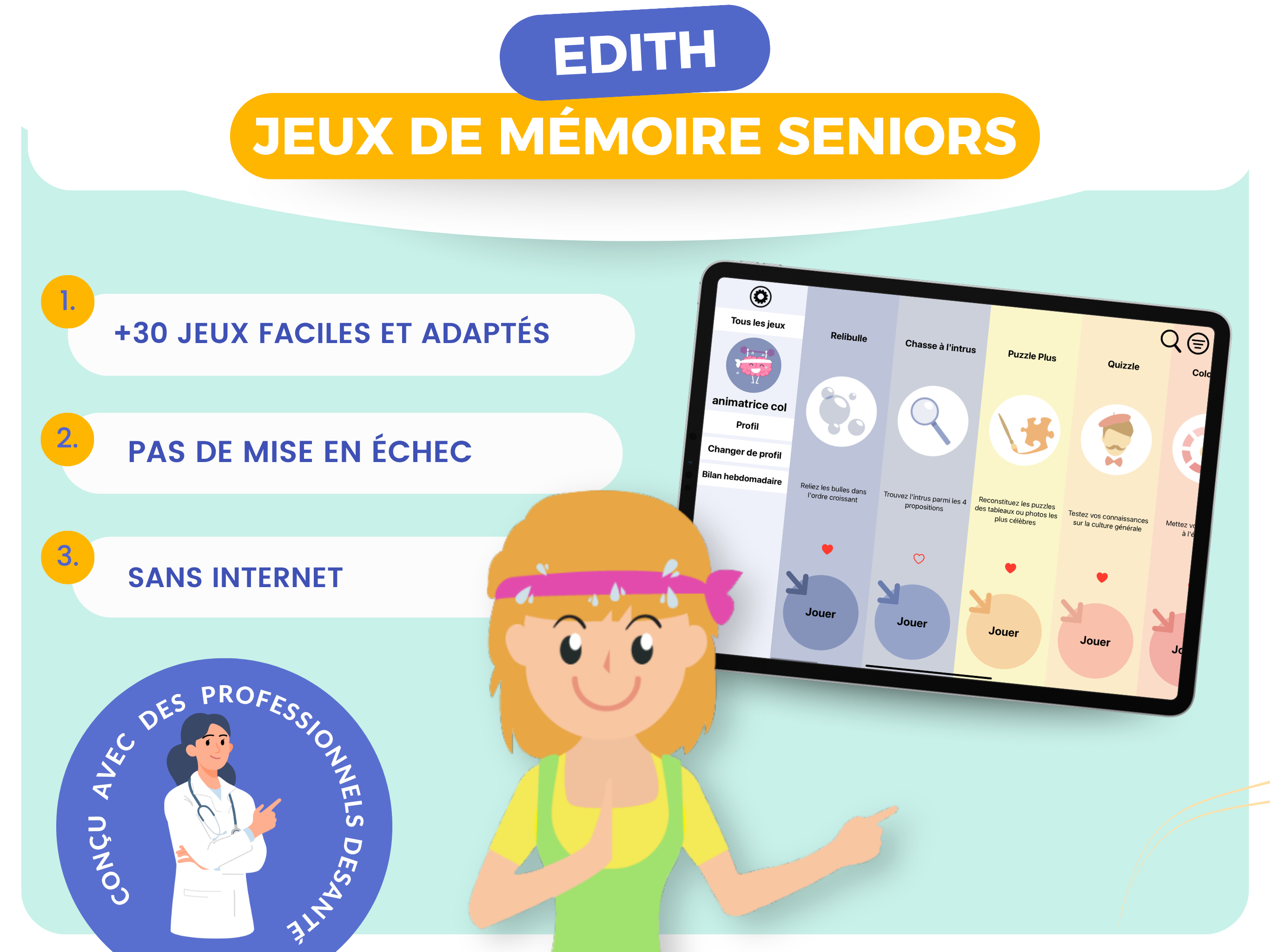
🧩 EDITH App: Cognitive Stimulation for Seniors
The EDITH app offers memory games and cognitive stimulation adapted to elderly people with neurodegenerative disorders. Used regularly, it helps maintain cognitive abilities and can reduce some behavior disorders associated with boredom or loss of reference points.
The Management of the Aggressive Resident
Medical Evaluation and Cause Investigation
Faced with aggressive behavior, it is essential to conduct a thorough medical evaluation of the resident to identify the underlying causes of violence. Behavioral disorders in nursing homes are rarely gratuitous: they are almost always the expression of an unmet need, physical or psychological suffering, or a reaction to an unsuitable environment.
Pain assessment is a priority. Many elderly people, especially those with cognitive disorders, can no longer express their pain verbally. It manifests through agitation, aggressiveness, screams, or refusal of care. Using pain assessment scales adapted for non-communicative individuals (Algoplus scale, Doloplus-2, ECPA) allows objectifying the presence and intensity of pain.
Acute conditions must be systematically investigated: urinary infections (very common and often asymptomatic aside from confusion), respiratory infections, digestive disorders (constipation, fecal impaction, gastroesophageal reflux), dental problems (cavity, abscess, poorly adjusted prosthesis). These acute pathologies can cause sudden behavioral changes and require quick treatment.
Iatrogenic factors (medication side effects) are often overlooked. Some drugs can cause confusion, agitation, or hallucinations: anticholinergics, benzodiazepines, paradoxically neuroleptics, corticosteroids, some antidepressants. A revision of the prescription with the attending physician or coordinating physician may help identify and eliminate problematic substances.
Non-Medical Adaptations
Before considering medication treatment, non-medical approaches should be implemented. The adaptation of the environment is fundamental: reducing noise and excessive visual stimulations, improving lighting (favoring natural light), adapted temperature, clear signage, secure walking spaces, possibility of withdrawal in a calm space.
The adaptation of care is crucial to prevent aggression situations. Care must be provided respecting the resident's pace and preferences: favor certain time slots where the person is more relaxed, split care into several short sessions instead of one long session, respect personal rituals (order of actions, products used), explain each action even if the person seems to not understand, let the person have maximum autonomy and control over the situation.
Sensorial approaches can be very effective: music therapy (music appreciated by the person), aromatherapy (calming essential oils like lavender), gentle tactile stimulation (massages, caresses, objects with varied textures), light therapy to regulate biological rhythms. Scientifically validated non-medical therapies include reminiscence (evoking positive memories), validation (empathic communication technique developed by Naomi Feil), the Montessori approach adapted for the elderly.
🎵 Sensory Approaches
- Personalized music therapy
- Aromatherapy and essential oil diffusion
- Tactile stimulation and gentle massages
- Snoezelen (multi-sensory stimulation)
- Light therapy
- Animal-assisted therapy
🧘 Behavioral Approaches
- Validation of emotions (Naomi Feil method)
- Reminiscence and life story
- Adapted Montessori approach
- Humanitude (Gineste-Marescotti method)
- Relaxation and sophrology
- Significant occupational activities
🏡 Environmental Adaptations
- Reducing sensory overstimulation
- Improving signage
- Creating withdrawal and calming spaces
- Managing walking pathways
- Emphasizing natural lighting
- Personalizing the living space
The Use of Medication Treatments
When non-medical approaches are insufficient and aggressive behavior endangers the individual, other residents, or professionals, a medication treatment may be considered. This decision must be made by the physician after a thorough evaluation and in consultation with the team, and as far as possible, with the family.
Neuroleptics or antipsychotics are sometimes prescribed for behavioral disorders associated with dementia. However, their use should be cautious and time-limited due to significant side effects (risk of falls, extrapyramidal syndrome, aggravation of cognitive disorders, vascular risk). Recommendations from the High Authority of Health (HAS) suggest limiting prescriptions to 12 weeks maximum, starting with the lowest possible dose and regularly re-evaluating the benefit/risk ratio.
Anxiolytics (benzodiazepines) can be used punctually in cases of major anxiety, but their chronic use is discouraged in the elderly due to the risk of dependency, aggravation of cognitive disorders, and increased risk of falls. Other drugs like antidepressants (especially serotonin reuptake inhibitors) can be effective if behavioral disorders are associated with depression or generalized anxiety.
In all cases, medication treatment must be regularly re-evaluated. If an improvement is observed, a gradual reduction in doses should be attempted. If no improvement appears after 3 to 4 weeks, the treatment should be discontinued. Close monitoring of side effects is essential: excessive drowsiness, falls, worsening confusion, swallowing disorders.
⚠️ Caution about Medication Treatments
Behavior disorder medication treatments should NEVER be used to:
- Facilitate caregivers' work by making residents more "docile"
- Compensate for staff shortage or faulty organization
- Avoid implementing more time-consuming non-medical approaches
- Address requests from the family wishing the person to be "calmed"
Prescription must always be motivated by the resident's therapeutic interest, based on rigorous medical evaluation, and accompanied by non-medical measures. Chemical restraint (use of sedative medications without clear medical indication) is a form of abuse.
Safety Measures to Protect All Actors
When a resident presents a proven risk of aggression, safety measures must be established to protect caregivers, other residents, and the resident themselves. A clear report in the care file informs all involved about the risk: nature of the risk (physical, verbal), identified triggering situations, effective strategies to prevent or defuse aggression, safety instructions to follow (never intervene alone, always leave an exit route, use appropriate communication techniques).
Working in pairs must be systematized for care with a known aggressive resident. The presence of two caregivers reassures the person (sense of strength and calm), protects each other in case of an assault, better handles difficult situations (one communicates while the other performs care), and serves as witnesses in case of an incident. This measure should not be perceived as resident stigmatization but as a reasonable professional adaptation.
Alert devices must be accessible: DECT phones, emergency beepers, functional call buttons in rooms and common areas. Caregivers should know how to give a quick alert and what procedure to follow in case of ongoing aggression (who to call, how to protect oneself, how to protect other residents). Simulation exercises can be organized to ensure everyone knows the procedures.
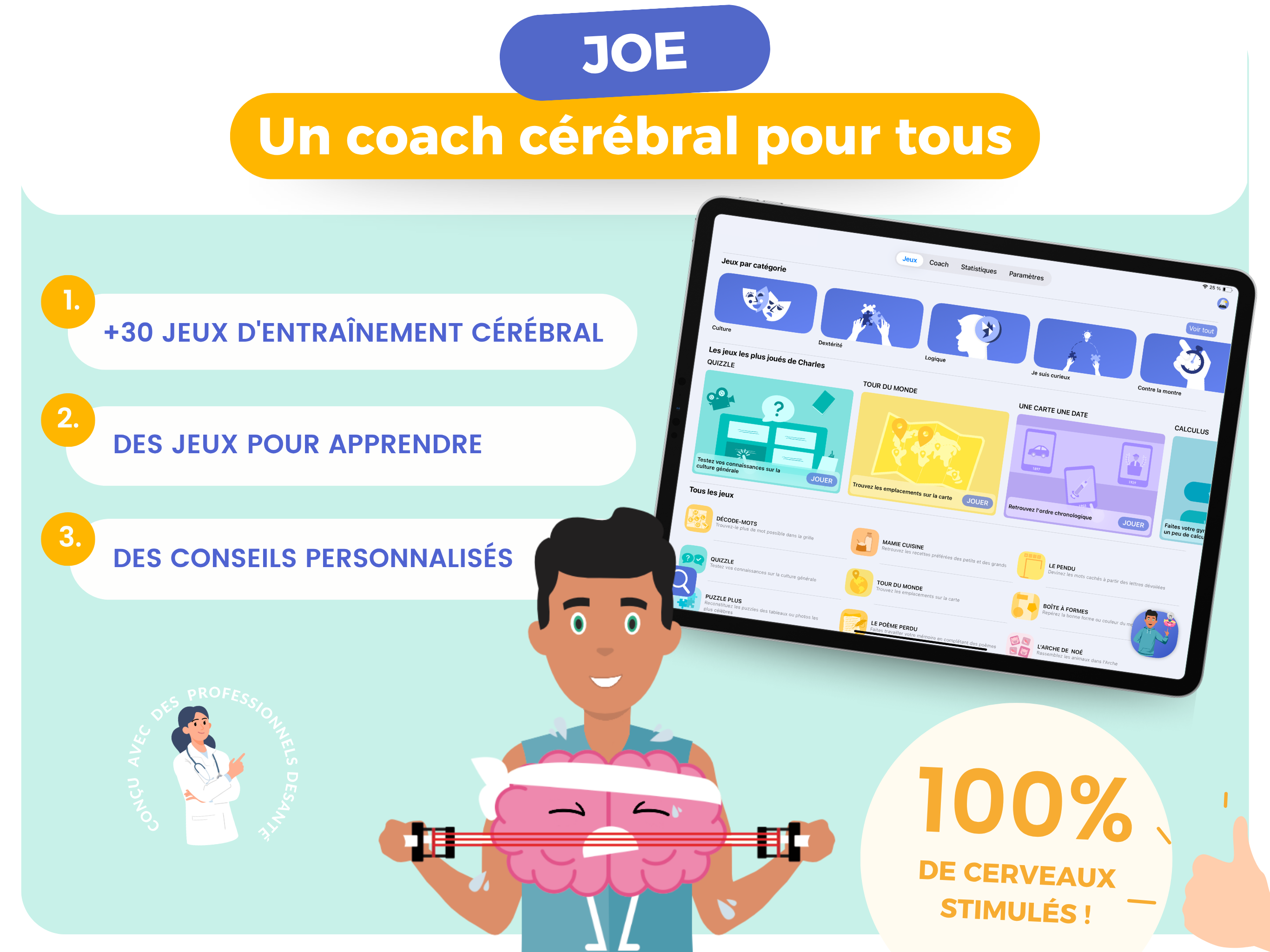
🧠 JOE App: Mental and Cognitive Health for Adults
JOE is a cognitive games app for adults with mental health issues or cognitive difficulties. It can be used in addition to treatment to maintain and stimulate cognitive functions and contribute to psychological well-being.
The Legal Protection of Caregivers
Legal Assistance from the Employer
The employer is obligated to legally protect employees who are victims of assaults in the course of their work. This protection involves multiple arrangements. The establishment's civil liability insurance must cover the consequences of assaults suffered by employees. In case of judicial proceedings initiated by or against the employee in the context of the assault, the establishment must provide support.
The employer may be required to become a civil party alongside the victim employee to support their judicial proceedings. This involvement strengthens the case and shows that the establishment recognizes the severity of the acts and supports its staff. The employer can also cover the employee's legal fees or connect them with a lawyer specialized in labor and criminal law.
The victim employee can benefit from legal aid if they meet resource conditions. This aid covers lawyer's fees and legal expenses entirely or partially. Victim support associations (INAVEM, France Victimes) can also accompany victims in their procedures free of charge: providing rights information, assisting with file constitution, psychological support, and directing them to suitable professionals.
Potential Recourses Against the Employer
If the employer fails in their safety obligation, the victim employee can take recourse against them. The Council of Prud'hommes appeal allows requesting recognition of the employer's inexcusable fault and obtaining damages for the sustained prejudice. Inexcusable fault is recognized when the employer knew or should have known about the danger and did not take necessary measures to protect the employee.
Recognition of inexcusable fault entitles the employee to an increased work accident annuity, full compensation for all damages (physical and moral suffering, aesthetic, leisure, anxiety damages), and coverage of additional costs (home adjustments, personal assistance). Awarded amounts can be very high, depending on the prejudice severity and the employer's fault degree.
The employee can also contact the Labor Inspectorate to report dangerous working conditions. The inspector can conduct an investigation, constate employer violations, and order corrective measures under penalty of criminal sanctions. In the most severe cases (deliberate endangerment of the other's life), the employer or establishment leader can be criminally prosecuted.
⚖️ Criteria for Recognizing Inexcusable Fault
To recognize the employer's inexcusable fault, the employee must demonstrate that:
- The employer was aware of the danger (prior incidents, ignored reports)
- No preventive measure was taken despite risk knowledge
- The direct link between the failure and the damage is established
Examples of situations potentially constituting inexcusable fault: known aggressive residents without protection measures, repeated violence reports ignored by management, absence of aggression management training, refusal to establish a work accident report, pressure for the employee to continue caring for an aggressive resident despite fears.
Filing a Complaint: Procedures and Processes
Filing a complaint is a fundamental right of a victim employee of assault, regardless of the context and the aggressor's health status. The fact that the aggressor is suffering from dementia or cognitive disorders does not remove the penal qualification of the acts, even if it may impact the judicial process (possible penal irresponsibility, but civil liability of the family or legal representative).
The employee can choose between several options: police report, which is a simple notification to the police or gendarmerie without triggering criminal prosecution, but constitutes evidence of the event; simple complaint, filed with the police, gendarmerie, or directly with the public prosecutor, which triggers an investigation; direct citation, allowing for direct summoning of the alleged perpetrator before the correctional court without instruction (possible for offenses punishable by less than 7 years of imprisonment); complaint with civil party action, filed with the senior judge of instruction, requiring the opening of an investigation and allowing for claims for damages.
Filing a complaint must be done within the limitation period: 6 years for an offense (violence, threats, harassment) from the commission of the acts, 20 years for a crime (rapes, violence with ITT over 8 days) from the commission of the acts. However, in cases of psychotraumatic disorders, the limitation period may start from the date of revelation or awareness of the link between the disorder and the assault.
The employee can be accompanied in their procedures by a union representative, a CHSCT/CSSCT member, a lawyer, or a victim support association. These accompaniments help better understand the procedures, avoid feeling isolated, and ensure that rights are well respected.
💡 Building the Complaint Dossier
To ensure the complaint is as solid as possible, it is recommended to gather:
- The initial medical certificate describing injuries and setting ITT
- The undesirable event form
- The work accident report
- Written testimonies from colleagues present during the assault
- The care file elements mentioning previous incidents with this resident
- Written exchanges with the employer (emails, letters) proving reports and protection requests
- Photos of injuries if they were taken
- Follow-up medical certificates attesting to psychological or physical consequences
Preventing Recurrence and Improving Practices
In-Depth Incident Analysis
After each assault, an in-depth analysis must be conducted to understand what happened and identify improvement levers. This analysis does not aim to find a culprit or blame the victimized caregiver, but to identify the systemic factors that favored the incident. The recommended approach is RETEX (Return on Experience) or CREX (Experience Return Commission).
The analysis should cover various dimensions: factors related to the resident (health status, cognitive disorders, pain, unmet needs), factors related to care (care timing, type of care, method used, communication), organizational factors (understaffing, workload, available time, personnel training), and environmental factors (noise, light, presence of others).
The method of "5 whys" can be used: faced with an event, ask "why did this happen?" and find the cause. Then ask "why was this cause present?" and so on until identifying the root cause, often organizational or systemic. For example: assault during a wash procedure → why? The resident was in pain → why? Pain hadn't been evaluated → why? No time to use the pain scale → why? Chronic understaffing → root cause to be addressed.
Ongoing Training for Teams
Training professionals is a major lever in preventing violence. Caregivers must be trained in understanding behavior disorders: neurobiological mechanisms, differences between aggressiveness and violence, early recognition of precursor signs, understanding the meaning of behaviors in dementia. This training prevents seeing aggressiveness as a personal attack but as a symptom to decode.
Adapted communication techniques for individuals with cognitive disorders must be taught: non-verbal communication (eye contact, smile, gentle gestures), validation of emotions, rephrasing, use of short and simple phrases, calm and reassuring voice tone, respect of the person's pace. Humanitude methods (Gineste-Marescotti), validation (Naomi Feil) or non-violent communication (Marshall Rosenberg) are particularly effective.
Techniques for preventing and managing aggression must be regularly practiced: early detection of tension rise signs, verbal de-escalation techniques, safe body positioning (safety distance, lateral angle, visible hands), managing own emotions, safe withdrawal strategies. Role plays and role-playing games help anchor these learnings.
Training on rights and duties regarding workplace violence is also necessary: what to do in case of assault, how to report, possible recourses, how to protect oneself legally. Caregivers need to know their rights to dare to assert them.
📚 Essential Training Topics
- Understanding behavior disorders in dementia
- Communication adapted to cognitive disorders
- De-escalation and crisis management techniques
- Pain assessment and management
- Validated non-medical approaches
- Caregivers' rights and reporting procedures
- Stress management and burnout prevention
🎯 Effective Educational Methods
- In-person training with simulations
- Practical workshops and role play
- Analysis of concrete cases from the establishment
- Action-training with field support
- E-learning for theoretical knowledge
- Professional practice analysis groups
- Team supervision by a psychologist
Institutional Reporting Culture
To ensure reporting protocols are effectively used, a favorable institutional culture must be developed. This means management must clearly communicate their commitment: zero tolerance for violence, unconditional support for victims, transparency about incidents, regular communication about actions taken. This message must be carried at all hierarchical levels.
De-trivializing violence is essential. It is important to fight against minimizing statements: "it's part of the job", "they don't know what they're doing", "it's nothing, you'll get over it". Every incident must be taken seriously, documented, analyzed, and addressed. Caregivers need to feel that their safety and well-being are a priority for the establishment.
Systematic feedback to reporters is crucial. Once a caregiver takes the time to fill out a report, they need to know it will be useful. Fast and constructive feedback ("your report has been reviewed, here are the measures taken") encourages future reports. On the contrary, institutional silence discourages reporting and reinforces the sense of futility.
The recognition of victim caregivers should be visible: moral and material support, job adaptations, healthcare coverage, administrative and legal assistance. Victims should never feel abandoned, stigmatized, or blamed. On the contrary, their courage to speak up should be praised and their recovery actively supported.
Follow-Up and Continuous Improvement Indicators
To evaluate the effectiveness of protection and reporting protocols, it's necessary to establish follow-up indicators. The number of reported incidents should be monitored monthly: note, an increase in reports isn't necessarily negative, it may indicate a better reporting culture. Conversely, a stable or decreasing number may mask persistent underreporting.
The work accident recognition rate of declared assaults is a good indicator: a high rate validates the relevance of the reports and the quality of the assembled files. The average processing time for reports measures the establishment's responsiveness. The implementation rate of corrective actions shows whether analyses result in real improvements.
The caregivers' feelings should be assessed regularly: satisfaction surveys on workplace security sense, perception of establishment support, knowledge of procedures, confidence in the reporting system. Absenteeism, turnover, and sick leave rates in units where incidents occur also reveal the work environment and violence impact.
An annual report on violence prevention and management policy must be presented to CHSCT/CSSCT, Social Life Council (CVS), and establishment's governing bodies. This report should be transparent: number of incidents, types of violence, actions taken, results obtained, identified improvement areas, objectives for the following year.
💡 Examples of Indicators to Monitor
- Number of reported incidents per month, per unit, by type of violence
- Reporting rate (reported/estimated incidents)
- Average delay between incident and report
- Average processing time for reports
- Work accident recognition rate of assaults
- Number of sick leaves related to assaults
- Average duration of post-assault leaves
- Number of implemented corrective actions
- Recurrence rate of assaults with the same resident
- Feeling of safety score for caregivers (annual survey)
- Turnover and absenteeism rates in affected units
Conclusion: Towards a Culture of Protection and Caring
Implementing an effective protection and reporting protocol against violence towards caregivers in nursing homes is not an option, but a legal, ethical, and human obligation. Professionals in nursing homes perform a demanding job, faced daily with suffering, dependency, and behavioral disorders. They should not, in addition, suffer from unprotected violence without recognition.
A robust protocol is based on several pillars: recognizing the reality of violence, without minimizing or trivializing; clear procedures for accessible and non-stigmatizing reporting; institutional responsiveness to incidents, with immediate and durable protection measures;support for victims, medical, psychological, and legal; prevention through training, organizational adaptation, and practice improvement; and, finally, an institutional culture that places professionals' safety and well-being at the heart of its priorities.
It is important to recall that protecting caregivers and caring for residents are not contradictory but complementary objectives. Safe, supported, trained, and respected caregivers are more available, empathetic, and effective in supporting residents, including those with behavioral disorders. Conversely, exhausted, traumatized, or suffering professionals cannot provide the quality of care that vulnerable elderly people deserve.
Building this protection culture requires everyone's commitment: management, supervision, caregivers, doctors, families, supervisory authorities. Everyone has a role to play to make nursing homes safe workplaces where violence has no place, where speech can be freed without fear, where victims are supported without judgment, and where continuous practice improvement progressively reduces risks.
The tools exist, protocols can be implemented, training is available. Only the collective will to make caregivers' safety a real priority, translated into concrete actions, allocated resources, and organizational changes, is missing. Caregivers in nursing homes deserve to exercise their profession with dignity, in safety, and with society's whole-hearted recognition for their daily commitment to the most vulnerable.
"Caring for those who care is the primary condition for care quality. We cannot ask suffering professionals to accompany residents in difficulty with empathy. Protecting caregivers is not a luxury, it is the foundation of an efficient and humane care system."
Did this content help you? Support DYNSEO 💙
We are a small team of 14 people based in Paris. For 13 years, we have been creating free content to help families, speech therapists, care homes and healthcare professionals.
Your feedback is the only way we know if our work is useful. A Google review helps us reach other families, caregivers and therapists who need it.
One action, 30 seconds: leave us a Google review ⭐⭐⭐⭐⭐. It costs nothing, and it changes everything for us.