E-Souvenirs
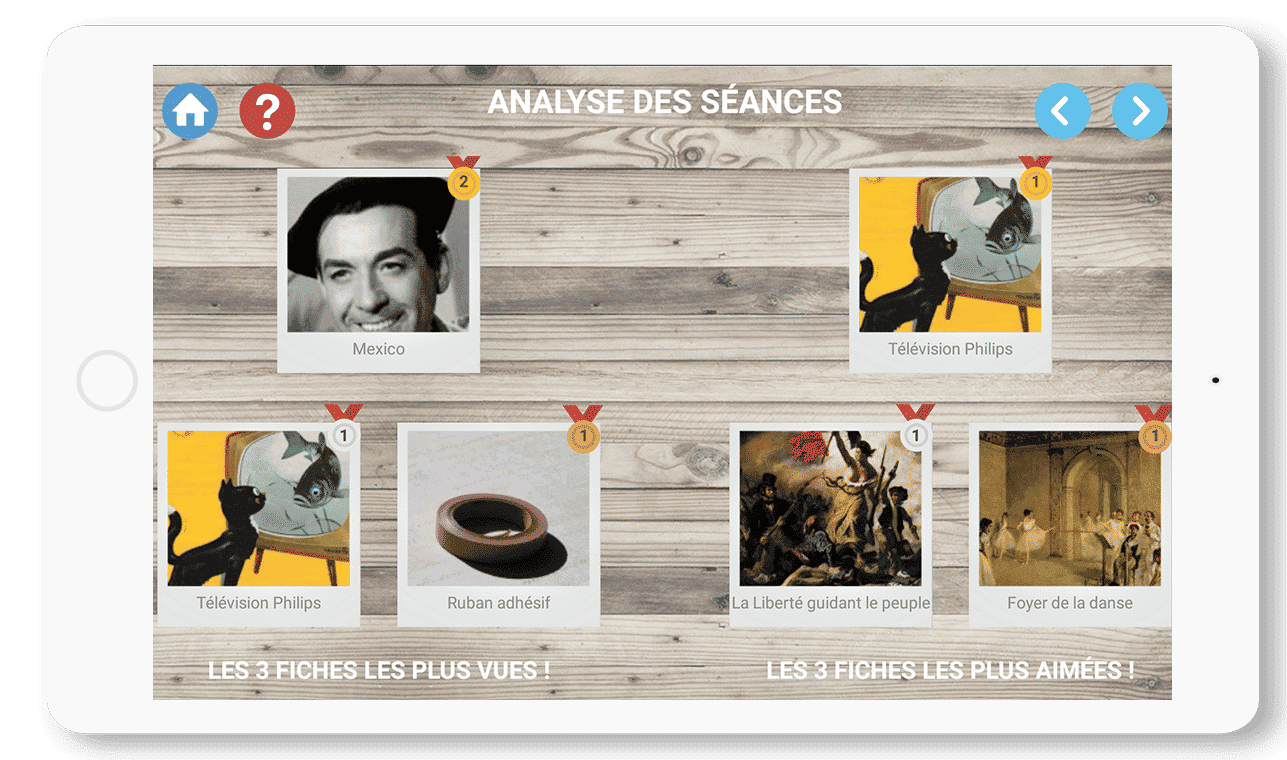
E-Souvenirs is an application that can help you communicate, through photos, period souvenirs, and open-ended questions.
Edith, your memory coach
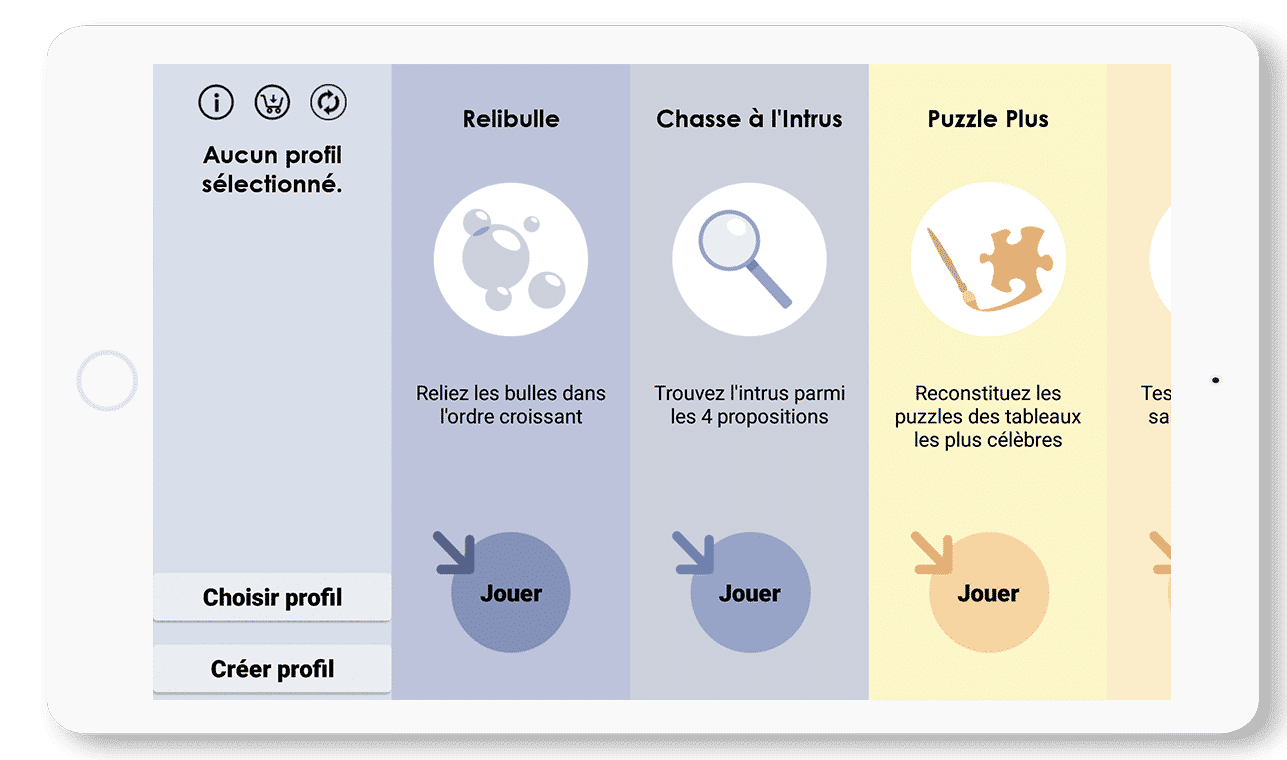
EDITH is a memory games program adapted for people suffering from cognitive disorders including Alzheimer's, Parkinson's, and other neurodegenerative diseases. Edith is also used by autistic adults.

Through the various offers from Mutuelle GSMC, benefit from:
high-quality services at fair prices,
a relationship of proximity,
solidarity actions.
To care for and look after a person with Alzheimer's, caregivers must have a lot of preparation, expertise, and skills. Each caregiver's case is different and it is often difficult to know how to prepare. Nevertheless, to begin, here are some tips for caregivers. They won't answer all questions, but they can help guide you in the right direction.
Dans cet article
How to prepare?
Caregiving: a team effort
A caregiver is an integral part of a team, family, a circle of friends or volunteers, the healthcare team. They must therefore offer different skills and strengths to provide effective care.
If you are the principal leader of this team, ensure that every member is encouraged to express their concerns, opinions, and emotions. Also, ensure that the person with Alzheimer's plays a central role in all discussions and decisions.
Creating a task list: better organization
As a caregiver, it is important to be well-organized. Start by listing all your caregiving tasks. Try to prioritize them. Then use this list to decide the distribution of tasks among friends, family, professionals, and other caregivers.
Mastering appropriate physical care
Some patients may need you to provide physical care such as bathing, dressing, feeding, using the toilet, and grooming. To master this care, seek help, talk to a healthcare team, watch videos on the different procedures to undertake or read manuals or books explaining how to perform these tasks. You may also call on a professional helper if needed.
Arranging your home functionally

An understanding of the changes and disabilities associated with aging is an important step in creating living spaces that address the issues of the elderly.
Reflection that will allow for arrangements to protect them from dangers such as falls.
A well-designed and adapted space will promote the well-being of the elderly. These arrangements concern all rooms of the house.
Learn more about arranging a home for the elderly.
What attitudes to adopt?
Be proactive
Take charge and plan as much as possible to avoid and anticipate last-minute emergencies. Being proactive also allows you to manage everything and keep things under control. Also create schedules that indicate which family member, friend, or other caregiver is available when and for which tasks. Ensure all caregivers are involved.
Enjoy solving problems
A caregiver must be able to easily identify problems, determine solutions to resolve them, and follow up. Don't be afraid to seek advice and ask for help. Look for creative solutions that work for you, but also for the person with Alzheimer's.
Stay positive
Having a positive attitude can help you easily manage each situation. You may not have control over what happens to you, but you can change how you react and act.
Know yourself
Recognize your strengths and weaknesses as a caregiver. This allows you to set boundaries and know when to ask for help. Setting limits can help you as well as the person you are caring for. The person you care for may experience some independence while you take a break. It is important to know when you need a break to prevent feeling burnt out.
How to properly care for a person with Alzheimer's disease?
Care for the emotional well-being of the person with Alzheimer's
It is important to help the person you are caring for maintain a sense of control. A diagnosis of Alzheimer's can make them feel little control over their life. Start by asking if you can help with a specific task or decision instead of doing it yourself.
Communicate
One of the most important tasks of a caregiver is to openly speak with the person with Alzheimer's. Choose a time that suits you to talk. Ensure that he or she will be at the center of discussions and decisions. Be open to the person's feelings and opinions.
Opt for activities that are meaningful or enjoyable
A person with Alzheimer's may no longer be able to actively participate in activities they enjoy. So look for other ways to encourage participation. Help the person stay connected to the world beyond Alzheimer's and maintain a sense of normalcy.
Participate in medical and physical care
As a caregiver, you may find that your responsibilities go beyond your expectations. These responsibilities may include providing medical and physical care as well as dealing with certain financial issues.
Gather details on the patient's diagnosis, treatment, and prognosis
Start by learning more about Alzheimer's. Many patient advocacy groups, such as France Alzheimer, the Vaincre Alzheimer foundation, or the Médéric Alzheimer foundation can also provide information about this disease. Note medical appointments, test results, medications and dosages, symptoms and side effects, questions, and emergency numbers if needed.
Learn about health insurance offers
As a caregiver, it is important to be informed about all the aids and offers that exist, as medical appointments can be expensive. Knowing about health insurance offers ensures that the follow-up of care is as smooth as possible.
Health insurance, or complementary health coverage, complements basic guarantees. It partially or completely covers the actions not reimbursed by the health insurance and those that are very weakly reimbursed, to ensure more optimal coverage.
Handle legal documents
If the person you care for cannot speak for themselves, certain legal documents can empower a designated person to convey their treatment decisions and wishes. Learn more about how to help your relative plan their healthcare in advance. Discover how to help them and how to get involved in their care legally.
Resources for caregivers
Being a caregiver can be a demanding role, but there are many resources to assist you in this task. Here are some options to explore:
- Support groups: Joining a local or online support group can offer a space to share experiences and advice.
- Training: Many organizations offer training for caregivers, allowing you to acquire specific skills.
- Respite services: Respite services can offer you a time-out by taking care of the person you're caring for for a few hours or days.
- Online resources: Websites and forums dedicated to caregivers can provide valuable information and practical advice.
Signs of caregiver burnout
Caregiver burnout is a reality not to be overlooked. Here are some signs that may indicate you need to take time for yourself:
- Persistent fatigue, both physical and emotional.
- Frequent feelings of frustration or irritability.
- Difficulty concentrating or making decisions.
- Changes in appetite or sleep.
- Social isolation or withdrawal from activities you previously enjoyed.
Managing finances as a caregiver
Caring for a loved one can have financial implications. Here are some tips for managing these aspects:
- Establish a budget: Create a budget to track expenses related to care and health.
- Explore financial aids: Learn about government aids available for caregivers and people with Alzheimer's.
- Consult a financial advisor: A professional can help you plan and manage finances effectively.
- Insurance: Check existing insurance policies to understand what is covered and what is not.
Adapted leisure activities
Encouraging leisure activities is essential for the well-being of people with Alzheimer's. Here are some ideas for adapted activities:
- Art and crafts: Creative activities like painting or collage can stimulate memory and creativity.
- Music: Listening to music or singing can evoke memories and provide comfort.
- Gardening: Working in the garden can be soothing and offer a connection with nature.
- Board games: Choose simple games that encourage interaction without being frustrating.
Did this content help you? Support DYNSEO 💙
We are a small team of 14 people based in Paris. For 13 years, we have been creating free content to help families, speech therapists, care homes and healthcare professionals.
Your feedback is the only way we know if our work is useful. A Google review helps us reach other families, caregivers and therapists who need it.
One action, 30 seconds: leave us a Google review ⭐⭐⭐⭐⭐. It costs nothing, and it changes everything for us.